Address
304 North Cardinal St.
Dorchester Center, MA 02124
Work Hours
Monday to Friday: 7AM - 7PM
Weekend: 10AM - 5PM
Address
304 North Cardinal St.
Dorchester Center, MA 02124
Work Hours
Monday to Friday: 7AM - 7PM
Weekend: 10AM - 5PM


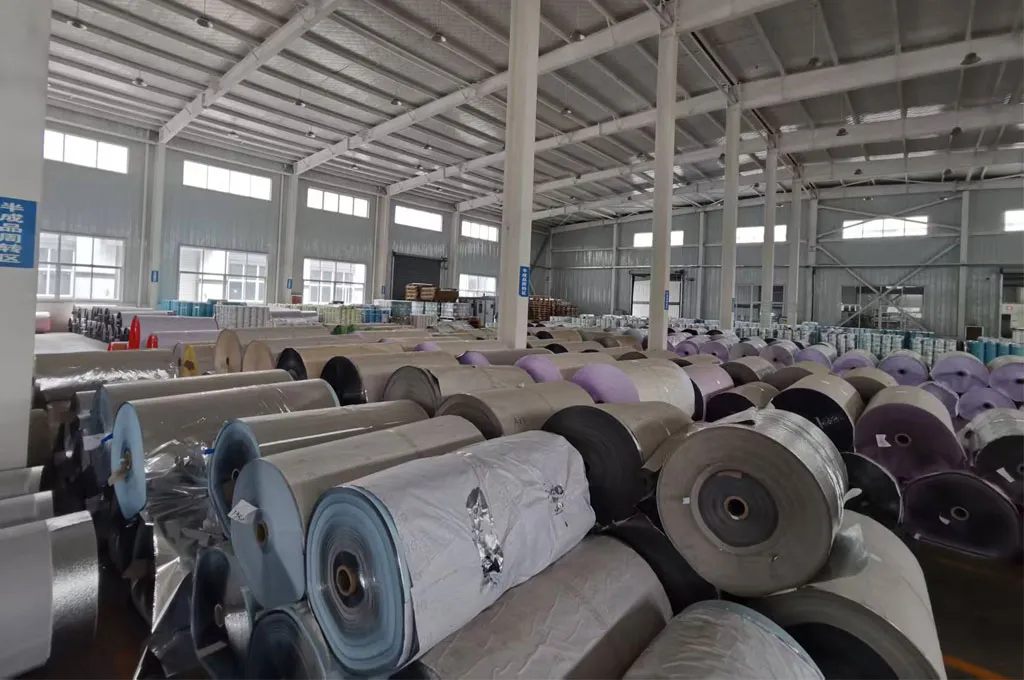
Choosing the right pallet stretch film can protect shipments, reduce damage claims, and cut packaging costs. This guide helps logistics managers, warehouse supervisors, and procurement teams quickly identify the best film type, thickness, and wrapping method for different loads and handling environments.
Load weight and stability: Heavier or top-heavy pallets need higher-elasticity films and thicker gauges to prevent shifting during transit.
Transport conditions: Long-haul, mixed-mode, or outdoor exposure require films with better puncture resistance and, if needed, UV protection.
Wrapping method: Manual wrapping favors hand-stretch films with easy-tear properties; machine wrapping benefits from pre-stretched films for cost savings and consistent coverage.
Visibility and branding: Clear film lets packing labels and barcodes remain visible; printed or colored films can support branding or tamper-evidence.
Hand stretch film: Best for occasional wrapping, small warehouses, or slow operations. Easier to apply manually but may need more film per pallet.
Machine stretch film (pre-stretch): Ideal for high-volume lines. Pre-stretched film reduces material use and labor costs while improving load containment.
Blown vs. cast film: Blown films typically offer higher puncture resistance and cling, while cast films provide clearer appearance and consistent thickness—choose based on whether clarity or toughness matters more.
| Film Type | Best For | Typical Gauge | Main Benefit |
|---|---|---|---|
| Hand stretch (cast) | Low-volume, manual | 15–23 µm | Easy handling, good clarity |
| Machine pre-stretched | High-volume, automated | 8–17 µm | Material savings, fast application |
| Blown high-clarity | Fragile or odd-shaped loads | 17–30 µm | Superior puncture & tear resistance |
Light loads (boxes, small packages): 12–17 µm cast film is often sufficient and economical.
Medium loads (mixed cartons, stacked goods): 17–23 µm provides a good balance of cost and protection.
Heavy or palletized machinery: 23–30 µm (or blown film with higher tear resistance) helps resist punctures and shifting.
Pre-stretch levels: Use higher pre-stretch on machines to save material; aim for consistent tension to avoid crushed corners.
Overlap and anchor points: Start at the base and wrap upward with 50–75% overlap. Anchor the film at pallet corners and secure the top to the base layer for vertical stability.
Use corner boards or edge protectors: Prevent film tearing on sharp edges and maintain load integrity during handling.
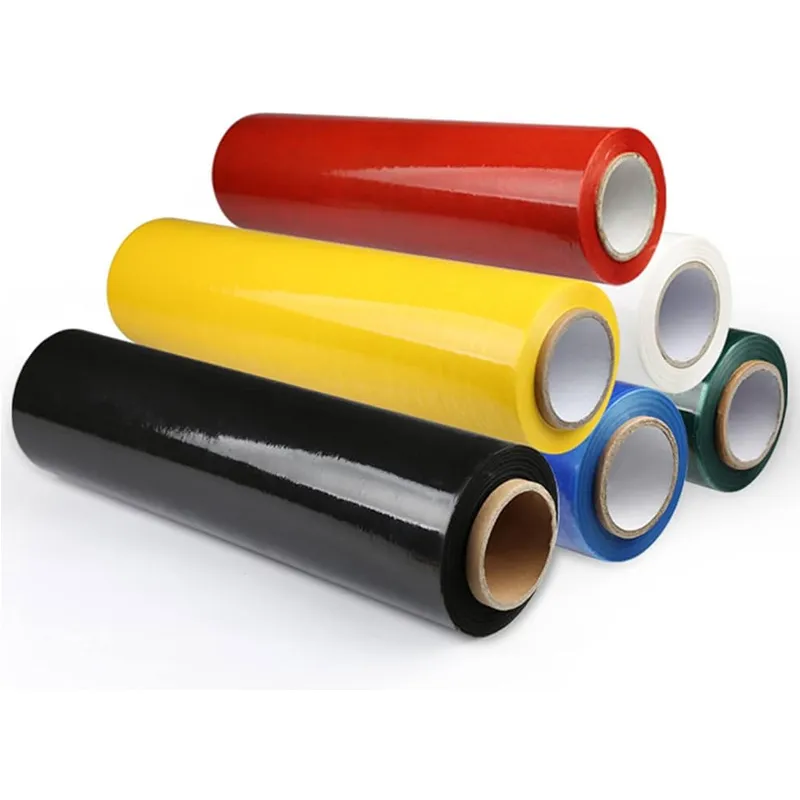
Cost per pallet: Evaluate film cost together with film consumption per pallet—pre-stretch machines often lower overall cost despite higher unit price.
Sustainability: Consider films with recycled content or those that allow lower gauge without sacrificing performance. Less material per pallet reduces waste.
Consistent quality: Choose a supplier with full in-house production control to reduce variability and ensure stable lead times.
Pulivk (https://pvcfilmtec.com/) manufactures a wide range of calendered and cast films, supports OEM customization, and maintains multiple QC checkpoints to ensure consistency—making them a suitable partner for businesses seeking stable lead times and cost-effective packaging solutions.
1. Confirm load weight and handling method. 2. Choose appropriate film type and gauge. 3. Test a small run to measure film usage and containment. 4. Verify supplier lead times, sample availability, and QC processes.
Tip: Request samples and perform a simple stretch-wrap trial in your warehouse—real-world testing is the fastest way to avoid overpaying or under-protecting shipments.