Address
304 North Cardinal St.
Dorchester Center, MA 02124
Work Hours
Monday to Friday: 7AM - 7PM
Weekend: 10AM - 5PM
Address
304 North Cardinal St.
Dorchester Center, MA 02124
Work Hours
Monday to Friday: 7AM - 7PM
Weekend: 10AM - 5PM


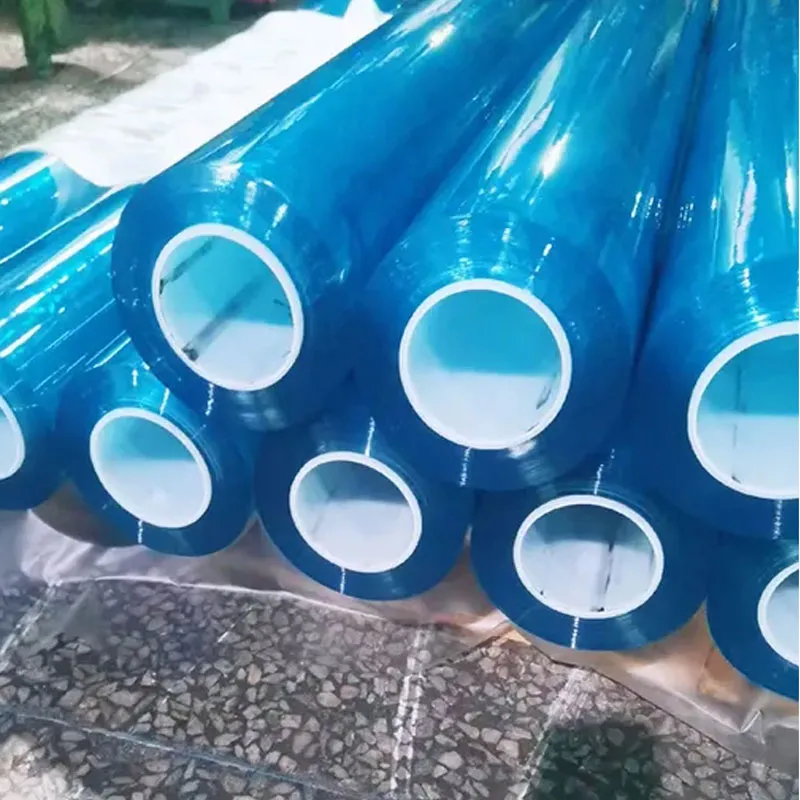
PE stretch film is the workhorse of modern packaging — a flexible, clingy polyethylene film used to secure, protect, and stabilize loads during storage and transit. This guide walks you through selecting the right film, wrapping techniques for hand and machine use, safety and storage tips, and practical specs you can rely on.
PE (polyethylene) stretch film is a highly stretchable plastic film that holds products tightly together on a pallet or protects surfaces from dust, moisture, and abrasion. It provides load containment by using pre-stretch and cling properties to secure shipments without knots or tape.
Logistics & warehousing: securing pallet stacks for long-haul transport. Manufacturing: bundling components and parts. Retail: protective wrapping for furniture and appliances. It’s also widely used for industrial and e-commerce fulfillment across multiple sectors.
Different PE stretch films are formulated for strength, cling, puncture resistance, and clarity. Here are typical variants:
Hand stretch film — designed for manual application, good cling and ease of tearing. Machine stretch film — higher consistency and pre-stretch, optimized for rotary wrap machines. Blown vs. cast film: blown films offer higher puncture resistance; cast films provide excellent clarity and consistent thickness.
| Thickness (mic) | Gauge (in) | Stretch (%) | Best for |
|---|---|---|---|
| 8–12 | 0.0003–0.0005 | 100–200% | Light, hand-wrapped loads |
| 15–20 | 0.0006–0.0008 | 150–300% | Most pallet loads (machine or hand) |
| 25–30 | 0.0010–0.0012 | 200–400% | Heavy or irregular loads |
Higher micron values generally mean more puncture resistance and support for heavy, sharp-cornered loads. Pre-stretch percentage tells you how much film can be elongated during application — higher pre-stretch improves containment efficiency and reduces material usage when applied correctly.
1. Prepare the pallet: center the load on the pallet with heavier items on the bottom. Ensure overhang is minimal to avoid punctures.
2. Start with a secure base: wrap a 3–4 turn skirt around the pallet base to anchor the film. Pull the film tight to create tension.
3. Work upward: overlap each revolution by about 50% to build a strong film matrix. For fragile loads add corner protection or cardboard sheets beneath the film.
4. Finish at the top: create a few circling passes across the top to keep dust and moisture out, then tear or cut the film and press the film tail to secure cling.
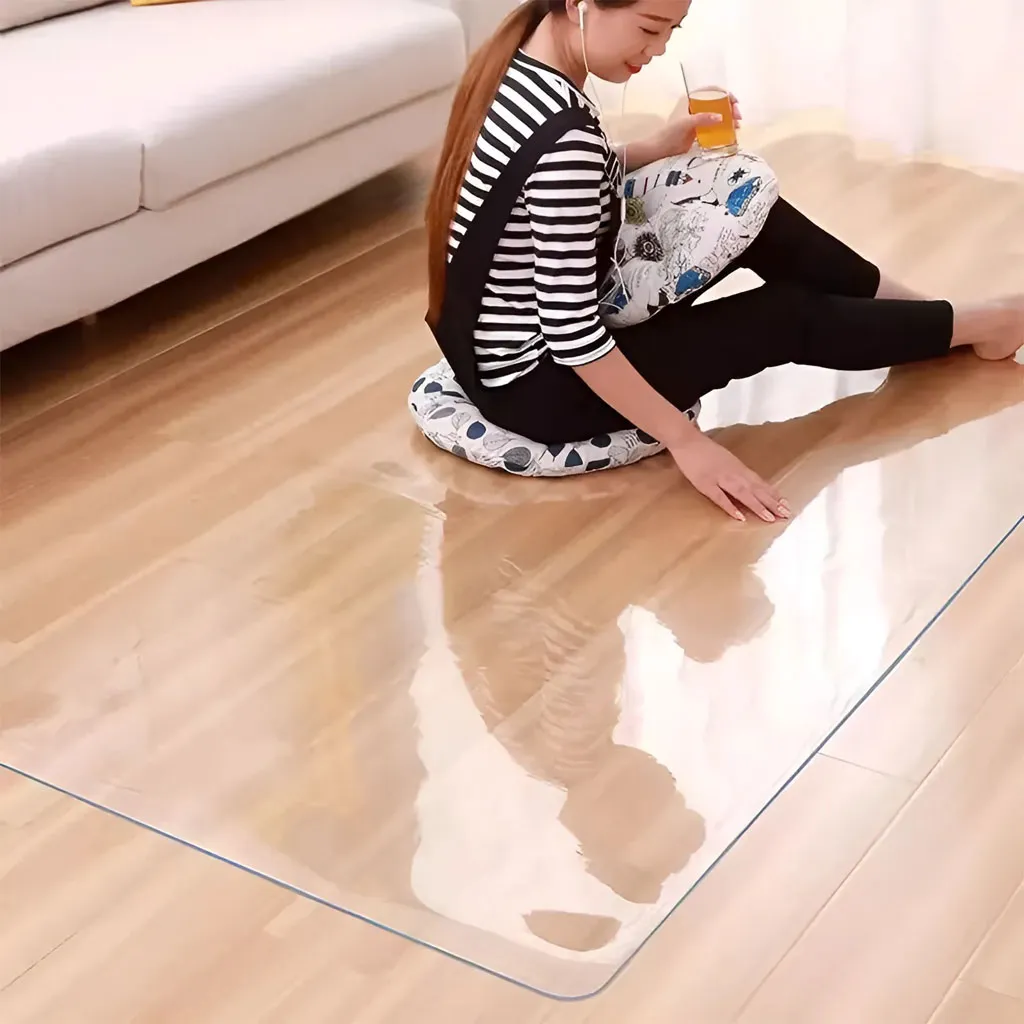
When using stretch-wrap machines, settings are critical: adjust pre-stretch, carriage speed, and film tension for load type. Start with manufacturer’s recommended settings, then test and tune. Use controlled pre-stretch to reduce film consumption while maintaining load stability.
Tip: For high-volume operations, use coreless or extended-core rolls to reduce downtime and improve wrapping consistency.
Pre-stretch: 100–300%; Tension (force): set low enough to avoid load damage but high enough to prevent slippage; Wrap patterns: full-wrap for heavy loads, top-and-bottom for stabilizing light but tall loads.
Store rolls upright on pallets in a cool, dry place away from direct sunlight to avoid UV degradation and softening. Use gloves when handling wide rolls to prevent cuts. Keep film away from open flames and high heat sources.
Many PE films are recyclable where facilities accept polyethylene. Minimize waste by using the right film gauge and pre-stretch settings. Consider suppliers offering recycled content or take-back programs to reduce environmental impact.
Q: Can I reuse stretch film? A: In controlled, low-risk environments you can reuse film for internal transport, but reused film often has reduced cling and strength.
Q: Is stretch film food-safe? A: Only films specifically certified for food contact should be used for direct food packaging.
– Evaluate load weight, stability and dimensions. – Choose film type (hand/machine, blown/cast). – Set pre-stretch and tension based on product fragility. – Use corner protection for sharp edges. – Inspect wrapped pallet for uniform tension and no gaps.
For tailored PE stretch film solutions and OEM options contact Pulivk: https://pvcfilmtec.com/