Address
304 North Cardinal St.
Dorchester Center, MA 02124
Work Hours
Monday to Friday: 7AM - 7PM
Weekend: 10AM - 5PM
Address
304 North Cardinal St.
Dorchester Center, MA 02124
Work Hours
Monday to Friday: 7AM - 7PM
Weekend: 10AM - 5PM


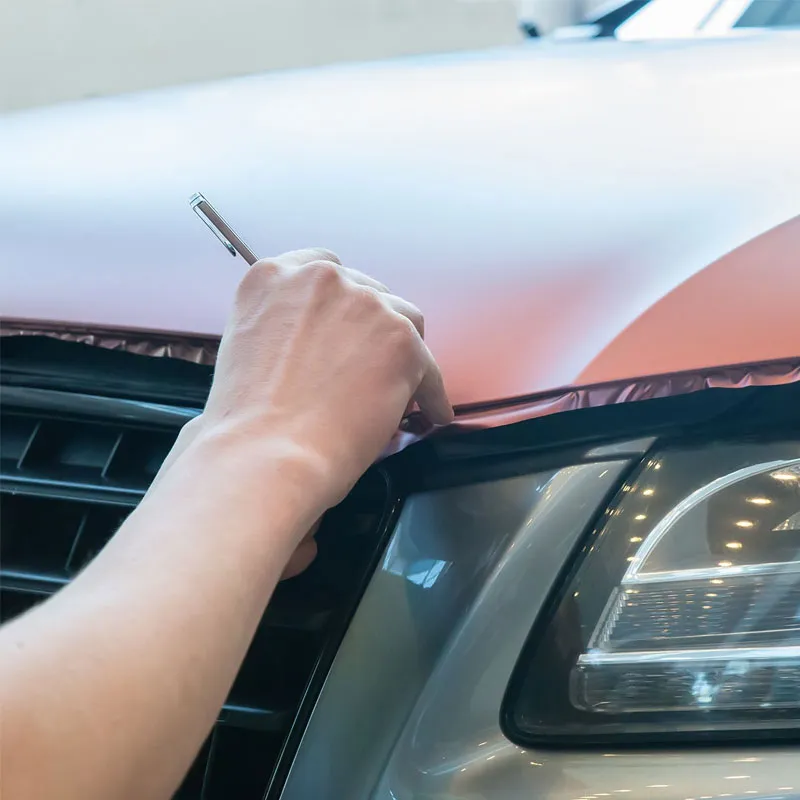
Choosing between car window tint and windshield film can be confusing. Both improve comfort and protection, but they serve different purposes, follow different laws, and use different materials. This guide explains the key differences, performance factors, installation considerations, and how to pick the right option for your vehicle.
Car window tint typically refers to adhesive films applied to the side and rear windows. Available in dyed, metalized, carbon, and ceramic varieties, these films change visible light transmission (VLT), reduce glare, block heat, and increase privacy.
Windshield film is a specialized clear or lightly tinted laminate applied to the windshield’s inner surface. Its primary goals are UV/infrared (IR) rejection, anti-shatter performance, and glare reduction while preserving safe driver visibility and compliance with windshield transparency standards.
Side/Rear Tint – Often monolayer dyed films, metalized films (reflective), carbon (non-reflective), or multi-layer ceramic films. Thickness ranges from ~1.5 to 3 mils. Strong focus on optical darkness and heat rejection.
Windshield Film – Usually multi-layer laminated products with a safety interlayer (like PET + adhesive) and advanced coatings for IR and UV reflection. Designed to remain highly transparent for safety and legal reasons.
| Feature | Car Window Tint | Windshield Film |
|---|---|---|
| Visibility / VLT | Wide range (very dark to light) | High VLT (keeps windshield clear) |
| Heat & Infrared Rejection | Good to excellent (ceramic best) | Excellent (designed for IR/UV control) |
| UV Protection | Blocks most UV with quality films | Blocks nearly 99%+ UV (safety-focused) |
| Shatter / Safety | Some tear resistance; not shatterproof | Improves windshield integrity on impact |
| Legal / Inspection | Strict VLT limits vary by region | Often tightly regulated; only specific clear films allowed |
Windshield film must balance protection with visibility and legal limits. It often targets UV and IR rejection without significantly reducing VLT. Side and rear tints, however, offer broader stylistic and privacy options, letting drivers choose darker films where safety rules permit.
Windshield films can help keep glass fragments together during collisions, reducing occupant injuries from flying glass. This is especially important for high-speed road conditions and areas with a risk of road debris. Car window tints can reduce interior ejection risk slightly but are not a substitute for laminated windshield protection.
Regulations differ across countries and even states. Common rules include minimum VLT for windshields (often >70–75% VLT) and limits for side windows. Police and safety inspections typically focus on windshield clarity and emergency responder visibility. Always check local rules before applying any film.
Side window tinting can be a DIY project for experienced users, but windshields require high-precision application to avoid optical distortion and ensure visibility. Professional installers offer warranty, proper curing, and precise edge sealing—recommended for windshield film and high-end tints.
Prices vary by film type and region. Ceramic and laminated windshield films cost more but deliver superior IR/UV control and longer life. Cheaper dyed films fade or discolor earlier. Expect professional windshield film installations to last 5–10 years depending on quality and exposure.
Consider climate, safety priorities, and legal limits: drivers in hot, sunny regions benefit most from high-IR rejection films on both windshield and windows. If safety and shatter resistance are top concerns, prioritize a certified windshield film. For privacy or aesthetics, side/rear window tints offer more style choices.
– Need maximum UV/heat rejection and added safety? Consider windshield laminate film.
– Want privacy and a darker look for side/rear windows? Choose a high-quality tint (ceramic recommended).
– Unsure about local rules? Verify VLT and tint regulations before purchase.
– Prefer guaranteed results? Hire a reputable installer.
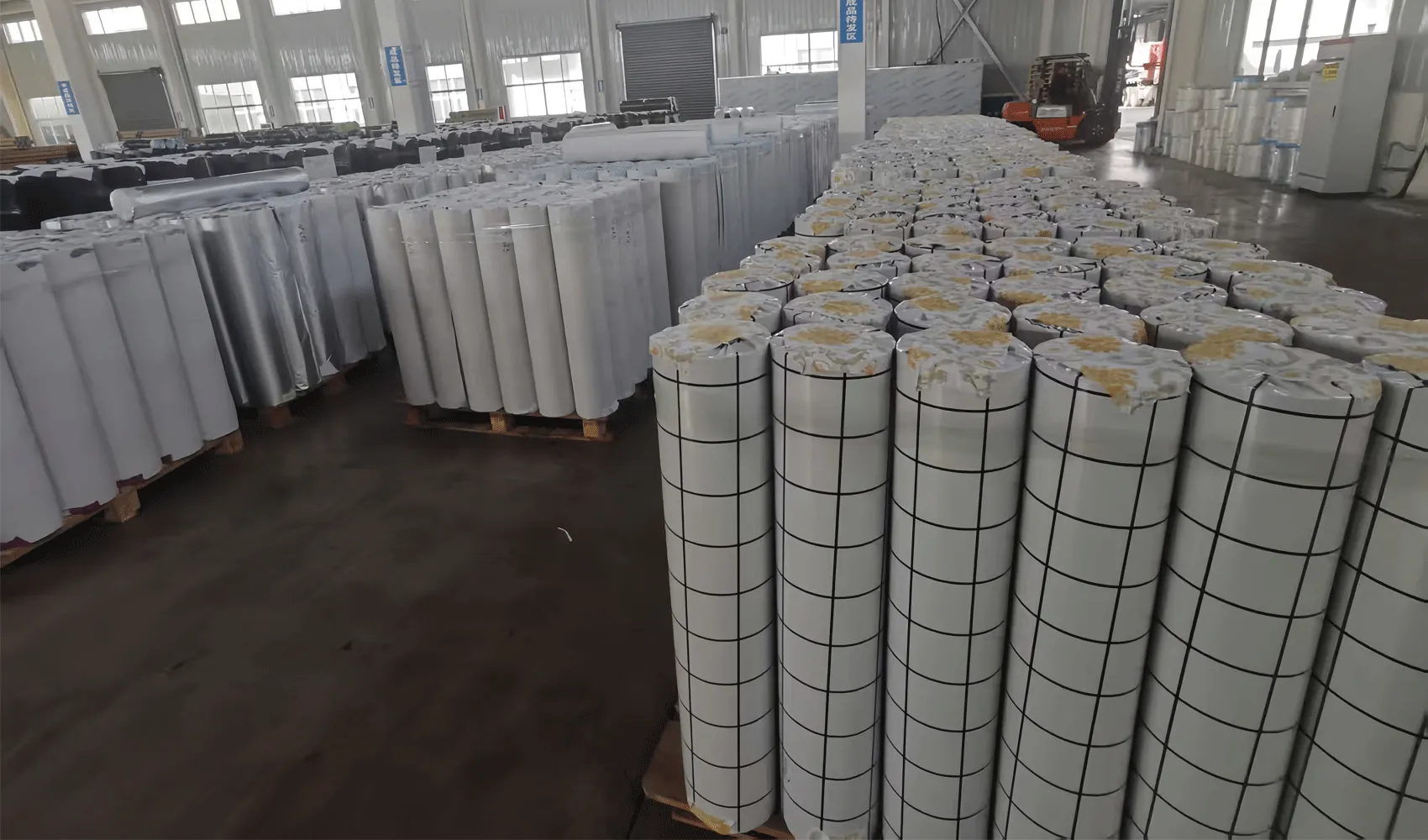
Pulivk (Henan Pulivk New Materials Co., Ltd.) manufactures a wide range of PVC and calendered films with full in-house production—ideal for custom film solutions and reliable supply.
Choose films with clear technical specifications (VLT, UV/IR rejection rates, warranty) and ask your installer for certification documents. With the right film and professional installation, you can improve comfort, protect interior surfaces, and enhance safety without compromising visibility.