Address
304 North Cardinal St.
Dorchester Center, MA 02124
Work Hours
Monday to Friday: 7AM - 7PM
Weekend: 10AM - 5PM
Address
304 North Cardinal St.
Dorchester Center, MA 02124
Work Hours
Monday to Friday: 7AM - 7PM
Weekend: 10AM - 5PM


Home renovation protection films are an affordable, fast way to protect surfaces during remodeling and to refresh interiors without costly replacements. Whether you’re covering cabinets, floors, countertops or windows, understanding the different types of protection films helps you pick the right product for durability, aesthetics and ease of installation.
Protection films are thin layers of polymer or composite materials designed to shield surfaces from scratches, paint splatter, moisture and wear during construction or everyday use. Many films also double as decorative finishes, offering finishes like wood grain, marble, gloss or matte—ideal for homeowners who want a quick style upgrade.
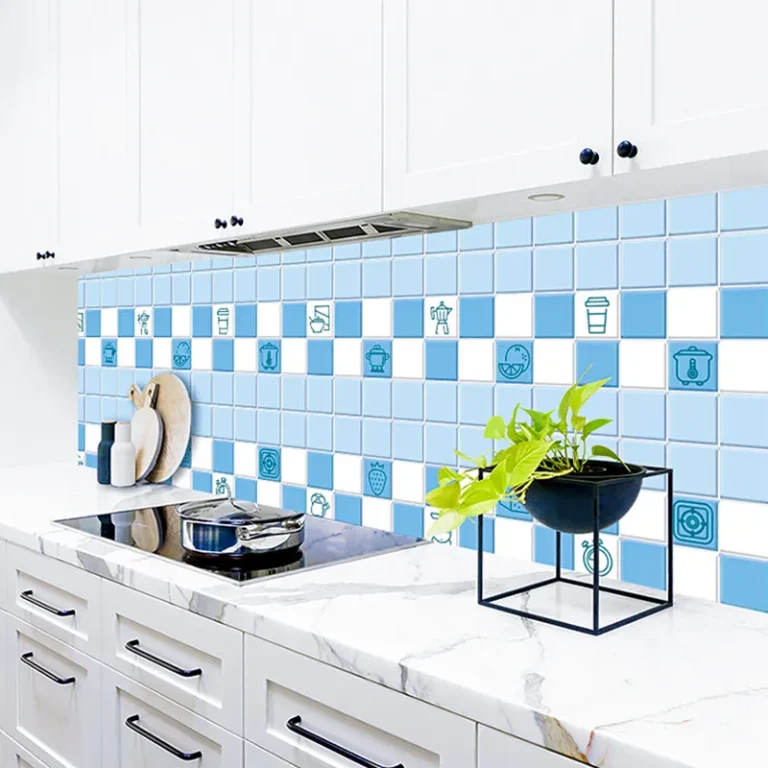
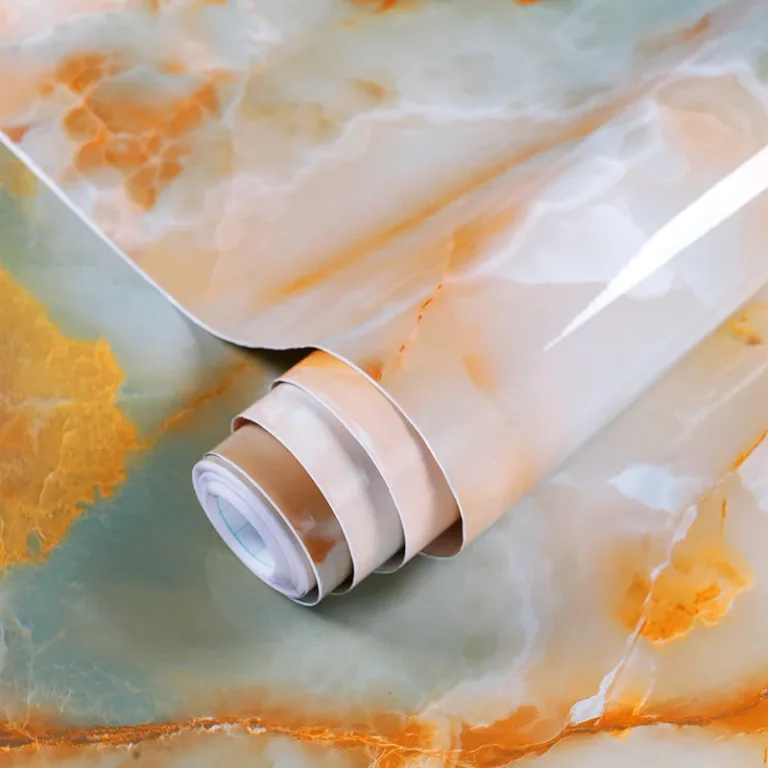
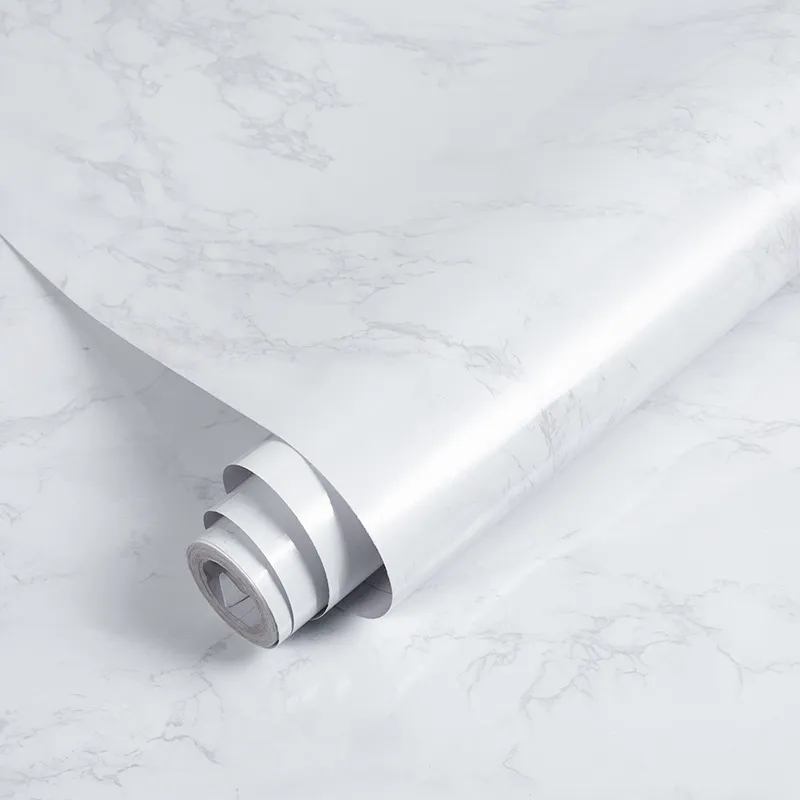
Self-adhesive PVC films are popular for furniture, cabinet doors and wardrobes. They come in many patterns—wood grain, marble, matte and glossy—and offer an immediate decorative transformation. These films usually include a pressure-sensitive adhesive for easy application and removal.
Clear PE or PET films are used to protect painted surfaces, glass, stainless steel and appliances during construction. They provide a transparent barrier against dust, scratches and minor impacts while keeping the original surface visible.
Kitchen zones need films that resist grease, steam and cleaning chemicals. Oil-proof aluminum foil films and specialized PVC kitchen films make cleanup easier and protect cabinet fronts and backsplashes from staining and buildup.
Temporary floor films and floor stickers protect tiles, laminate and hardwood from paint, heavy foot traffic and dropped tools. These products are often thicker and may offer anti-slip textures for safe movement on site.
For high-wear areas or sun-exposed façades, anti-scratch and UV-resistant films extend lifespan by blocking UV degradation and resisting abrasion. Good for exterior trims, window frames and balcony panels.
Frosted films add privacy to bathroom windows, glass partitions or balcony doors while still allowing natural light. They are available as static-cling or adhesive-backed films.
Static-cling films are easy to remove and reposition—ideal for short-term protection and renters. Permanent adhesive films offer stronger, longer-term adhesion for surfaces that will be protected or decorated for months or years.
| Type | Best For | Typical Thickness | Key Benefit |
|---|---|---|---|
| Self-Adhesive PVC Decorative | Cabinets, Furniture, Doors | 80–250 μm | Decorative + protective |
| Clear PE/PET Protection | Painted Surfaces, Glass | 20–100 μm | Invisible temporary shield |
| Anti-Oil / Kitchen Film | Backsplashes, countertops | 100–300 μm | Stain and grease resistance |
| Floor Protection Films | Floors during renovation | 150–400 μm | Heavy-duty, anti-slip options |
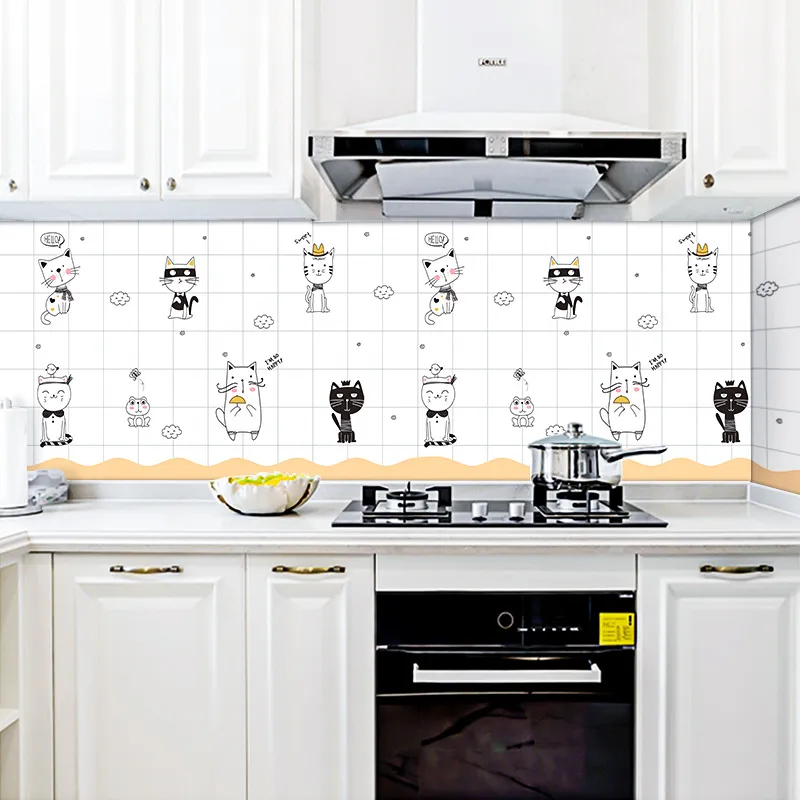
Start by identifying surface type and expected wear. For temporary protection choose clear PE/PET or static-cling films. For long-term decorative upgrades, consider self-adhesive PVC films in patterns like wood or marble. If the area sees grease or moisture, select an oil-proof or water-resistant film. Thickness and adhesive strength should match the job—thicker films for floors, mid-thickness for cabinets and thin transparent films for painted surfaces.
Clean the surface thoroughly before applying film to avoid bubbles and poor adhesion. Use a squeegee, heat gun (for curves), and sharp blade for clean edges. When removing, warm adhesive films slightly to minimize residue.
Choose films with low-VOC adhesives and check fire-retardant ratings for public spaces. Recyclability varies by material—ask suppliers about end-of-life options.
If you need reliable manufacturing and customization, consider suppliers with full in-house production capabilities and OEM service. Pulivk provides calendered, printed and split-packaged PVC films for decor and protection—ideal for contractors and renovation projects seeking consistent quality and fast lead times.
– Identify the surface and intended duration of protection.
– Choose between static-cling, adhesive, decorative or clear protective films.
– Verify thickness, UV and oil resistance where needed.
– Use proper application tools and warming for residue-free removal.