Address
304 North Cardinal St.
Dorchester Center, MA 02124
Work Hours
Monday to Friday: 7AM - 7PM
Weekend: 10AM - 5PM
Address
304 North Cardinal St.
Dorchester Center, MA 02124
Work Hours
Monday to Friday: 7AM - 7PM
Weekend: 10AM - 5PM


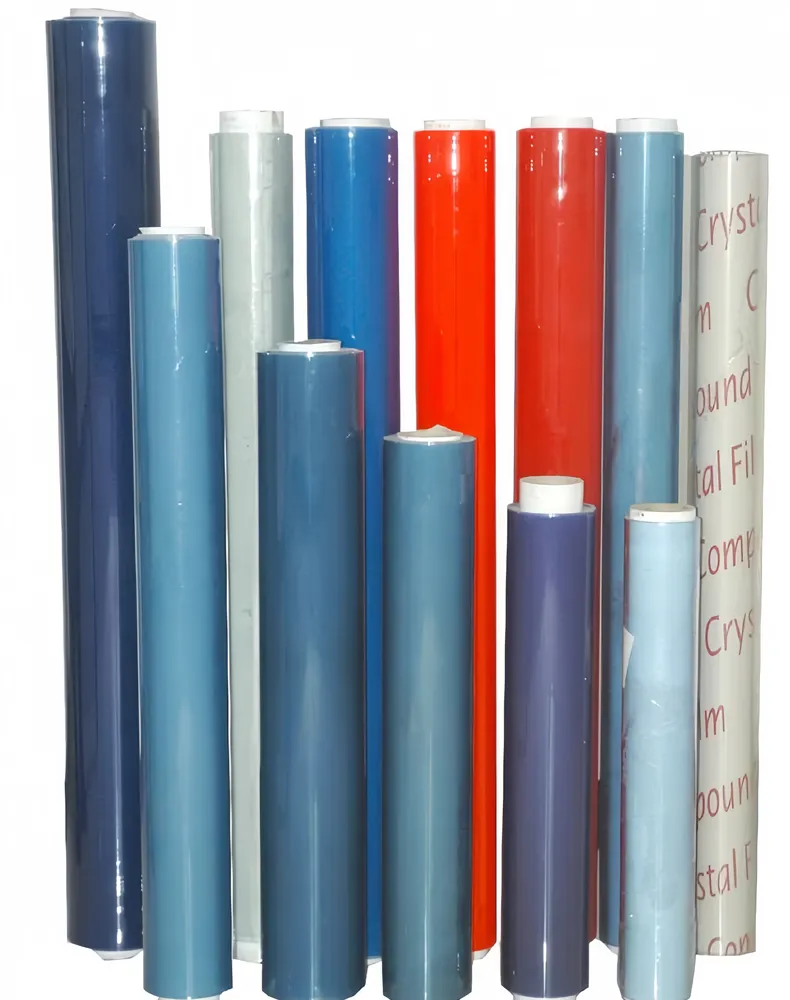
PVC film for PVC ducts is a versatile protective and decorative material widely used in HVAC, electrical ducting, cable management, and industrial piping. This article explains the main uses, benefits, product types, installation tips, and selection criteria to help specifiers, contractors, and procurement teams choose the right film for duct applications.
PVC film designed for ducts is a thin, durable film engineered to adhere to PVC duct surfaces for protection, insulation enhancement, or surface finishing. Variants include clear protective films, colored finishing films, anti-scratch and anti-static grades, and self-adhesive options for quick installation.
Protection: Guards duct surfaces against scratches, dust, paint splatter and on-site damage during transport and installation.
Aesthetics: Offers consistent color, texture, or wood/stone grain finishes for exposed ductwork in commercial interiors.
Temporary Masking & Safety: Acts as temporary barrier during painting or renovation, preventing contamination.
PVC film brings practical and cost-saving advantages to duct projects at every stage—from factory handling to field installation and final handover.
Cost Efficiency: Replaces costly rework by protecting finishes during transport and installation.
Durability: Resistant to tearing, moisture and many onsite chemicals—maintains surface integrity.
Customization: Available in clear, matte, glossy, textured or printed options to match project aesthetics.
Fast Installation & Removal: Self-adhesive and easy-peel films reduce labor and downtime.
Choosing the right type depends on whether the film is for protection, finishing, or functional purposes (like anti-static or heat resistance).
– Clear protective film (temporary)
– Self-adhesive finishing film (permanent or semi-permanent)
– Anti-static film for cable ducts and electrical enclosures
– High-temperature resistant film for ducts near heat sources
PVC films are used across sectors where PVC ducts are installed or displayed:
– HVAC ductwork protection during building fit-out
– Cable management ducts in data centers (anti-static grades)
– Decorative exposed duct finishes in retail, hospitality and office fit-outs
– Industrial piping protection in factories, warehouses and cleanrooms
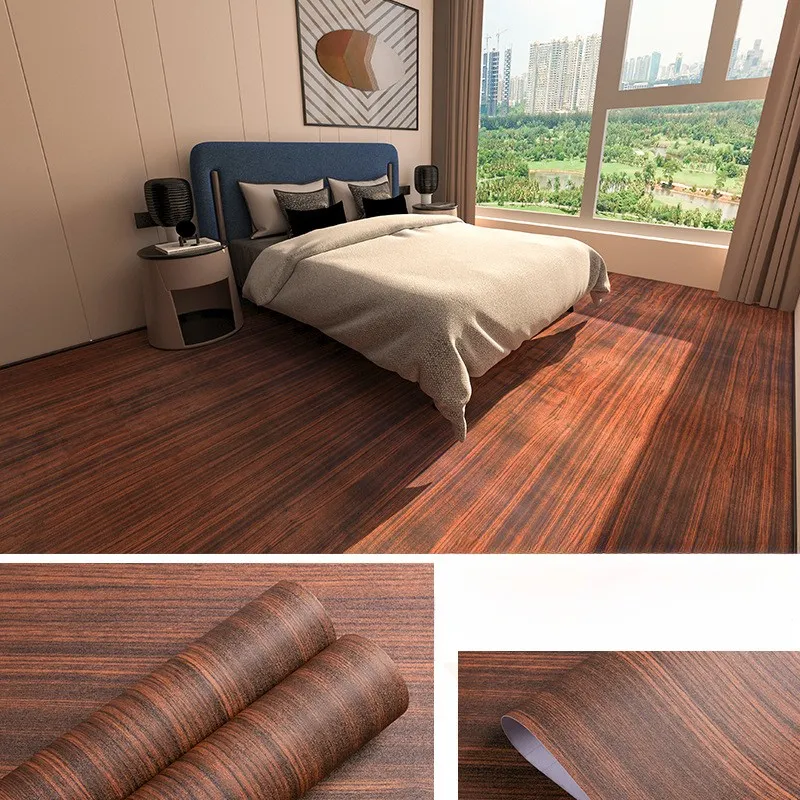
Contractors favor PVC film for quick protection during multi-trade projects. Facilities managers rely on film to preserve finish quality during maintenance. For exposed ductwork, finishing films can match interior themes without heavy fabrication.
When specifying PVC film for ducts, consider these parameters to ensure performance and compliance:
| Parameter | Recommendation |
|---|---|
| Thickness | 35–150 µm for protective films; 150–300 µm for decorative finishing |
| Adhesive Type | Removable acrylic for temporary protection; permanent adhesive for long-term finishes |
| Temperature Range | Choose heat-resistant grade if ducts exceed 60–70°C |
| Surface Compatibility | Formulated for PVC-to-PVC adhesion; primer recommended for dusty or porous surfaces |
Ensure a clean, dry surface; remove oil, dust and moisture. Measure and cut slightly oversized pieces for wrap-around protection. Apply film smoothly to avoid trapped air and wrinkles; use a soft squeegee for uniform adhesion. For temporary protective films, remove within the recommended window to prevent adhesive residue.
Remove temporary films carefully at a low angle to minimize adhesive transfer. Clean any remaining residue with approved solvents suitable for PVC. For permanent finishing films, routine cleaning with mild detergent keeps surfaces looking new—avoid abrasive cleaners.
Specify flame-retardant or fire-tested grades for ducts in public buildings if local codes require. Consider recyclable PVC formulations and work with suppliers who provide clear SDS and compliance documentation.
– Project: temporary protection or permanent finish
– Thickness and adhesive type
– Temperature and fire rating
– Expected exposure and cleaning requirements
– Installation & removal window
For consistent quality, choose a manufacturer with full in-house production and QC processes. Pulivk offers calendering, printing and split-packaging lines—helpful when you need tailored widths, prints and reliable lead times.
Match film grade to application: temporary protective films for construction sites, anti-static variants for electrical ducts, and decorative/self-adhesive films for visible finishes. Always test a sample on-site before large-scale application.