Address
304 North Cardinal St.
Dorchester Center, MA 02124
Work Hours
Monday to Friday: 7AM - 7PM
Weekend: 10AM - 5PM
Address
304 North Cardinal St.
Dorchester Center, MA 02124
Work Hours
Monday to Friday: 7AM - 7PM
Weekend: 10AM - 5PM


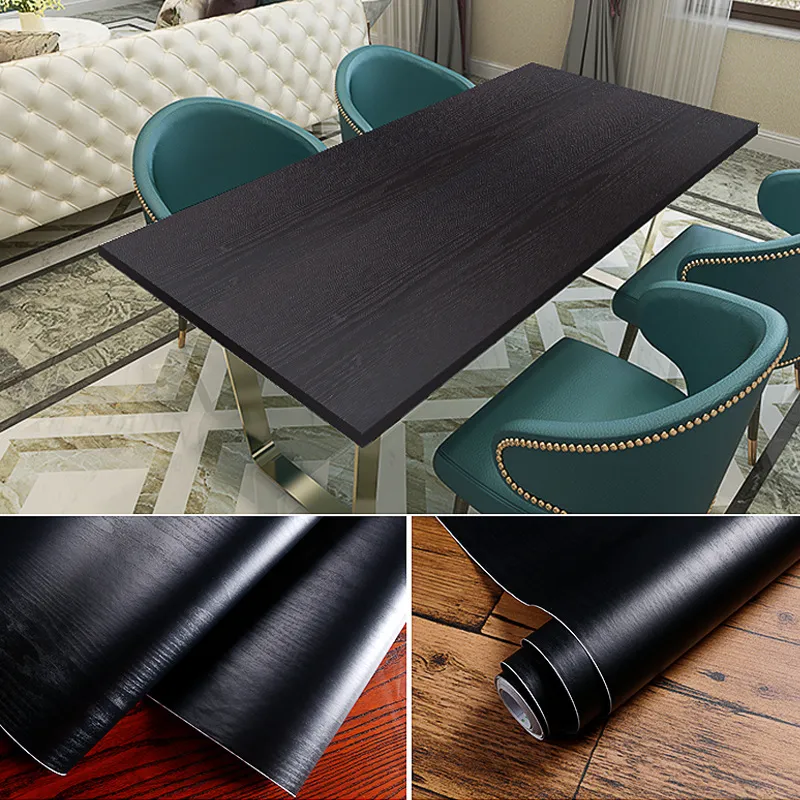
Clear, accurate labeling on PVC film products reduces returns, ensures regulatory compliance, and helps buyers choose the right material quickly. This guide covers the essential fields to include on a PVC film label, practical printing and placement tips, and a ready-to-use checklist you can adopt for retail, OEM, and B2B shipments.
Trust & traceability: Buyers and quality teams rely on label data to confirm material, batch, and performance specs before installation. Accurate labels cut inspection time and prevent costly mistakes.
Regulatory & safety: Many markets require hazard symbols or standards references for materials used near food, in medical contexts, or for construction. Labels that show compliance build confidence and clear customs faster.
Marketing & differentiation: Clear brand, finish, and application guidance helps distributors and end-users pick the right film (e.g., wood-grain vs. marble vs. anti-oil), improving satisfaction and repeat purchases.
Product name / SKU: Unique name or SKU for quick ordering and inventory scanning.
Material composition: Identify PVC type and any coatings, additives, or multi-layer structure (e.g., PVC + adhesive + release liner).
Thickness: Expressed in mm or microns. Thickness directly affects durability and application suitability.
Color & finish: State color name/code and finish (glossy, matte, silk, embossed, wood-grain, marble, metallic).
Dimensions: Roll width, length, and core diameter; indicate if sold by linear meter/roll weight.
Roll length / Net weight: Necessary for logistics, pricing, and installation planning.
Lot / Batch number: Enables traceability for QC, recalls, or warranty claims.
Manufacture date & shelf life: Important for films with time-sensitive adhesives or additives.
Storage & handling instructions: Temperature/humidity limits, stacking rules, and recommended storage orientation.
Application guidance: Surface prep, adhesive cure recommendations, and typical uses (furniture wrap, flooring sticker, skirting membrane, kitchen anti-oil film).
Safety & disposal symbols: Flammability, recycling code, or chemical hazard markings as applicable.
Standards & compliance: Reference relevant standards (e.g., REACH, RoHS, food-contact compliance) and certificates.
Barcode / QR code: For warehouse scanning and fast access to technical datasheets, installation videos, or COA (Certificate of Analysis).
OEM / private label info: Clear space for reseller labeling or custom branding instructions if you supply private label rolls.
| Element | Why it matters | Recommended placement |
|---|---|---|
|
Product name / SKU |
Fast identification for ordering and stock control |
Top-left or top-center |
|
Material composition |
Confirms suitability and performance |
Near product name |
|
Thickness |
Key performance spec for installers |
Prominent, next to dimensions |
|
Color / Finish |
Avoids mismatches during selection |
With color swatch or code |
|
Roll length / weight |
Logistics & job planning |
Bottom-right or under dimensions |
|
Lot / Batch |
Traceability for QC & recalls |
Visible and machine-readable |
|
Manufacture date / Shelf life |
Adhesive/chemical stability reference |
Near lot number |
|
Storage / Handling |
Protects product during warehousing |
Short bullet list on label back |
|
Compliance / Standards |
Helps customs & safety reviews |
Footer or dedicated compliance panel |
|
Barcode / QR |
Inventory and digital access to docs |
Bottom or top corner |
Use contrast and legible fonts to ensure scannability. For small rolls, prioritize essential data (SKU, lot, size) and place extended specs on a QR code landing page. For large industrial rolls, print a larger, durable label that resists abrasion and moisture—consider laminated or solvent-resistant inks for films shipped to humid climates.
A QR code linking to a product datasheet, SDS, installation guide, and COA reduces label clutter while providing instant access to technical resources. Ensure the QR redirects to a mobile-friendly URL and include a fallback short URL printed on the label.
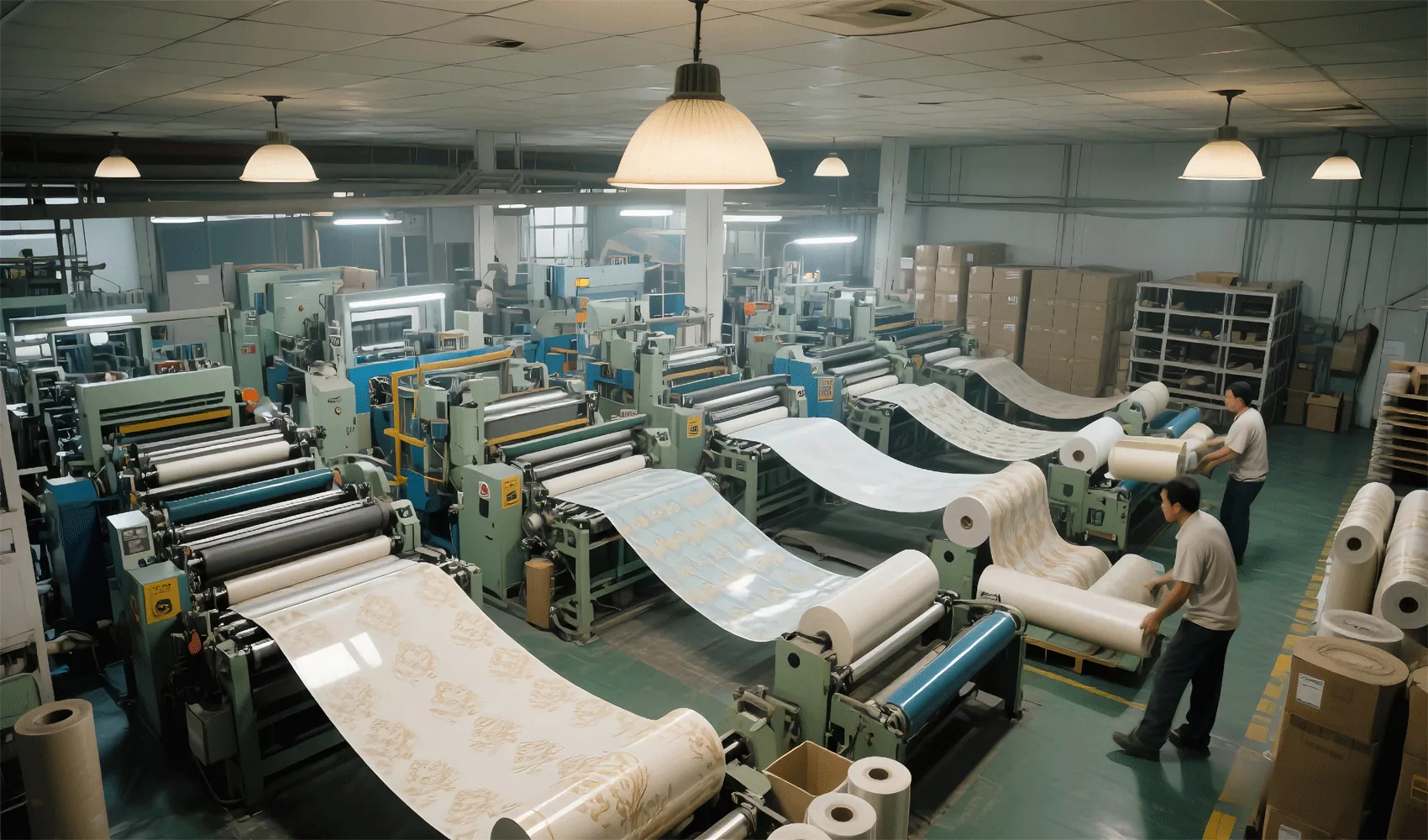
Standardize label templates across SKUs to streamline packing, QC, and customs clearance. Use variable-data printing for lot numbers and dates to avoid manual labeling errors. If offering OEM/private label services, provide a clear template showing required data fields and acceptable placement zones.
Pulivk (Henan Pulivk New Materials Co., Ltd.) operates full in-house production—calendering, printing, and split-packaging—so we can supply custom-labeled PVC film with consistent quality and reliable lead times. Visit https://pvcfilmtec.com/ for OEM options and label customization support.