Address
304 North Cardinal St.
Dorchester Center, MA 02124
Work Hours
Monday to Friday: 7AM - 7PM
Weekend: 10AM - 5PM
Address
304 North Cardinal St.
Dorchester Center, MA 02124
Work Hours
Monday to Friday: 7AM - 7PM
Weekend: 10AM - 5PM


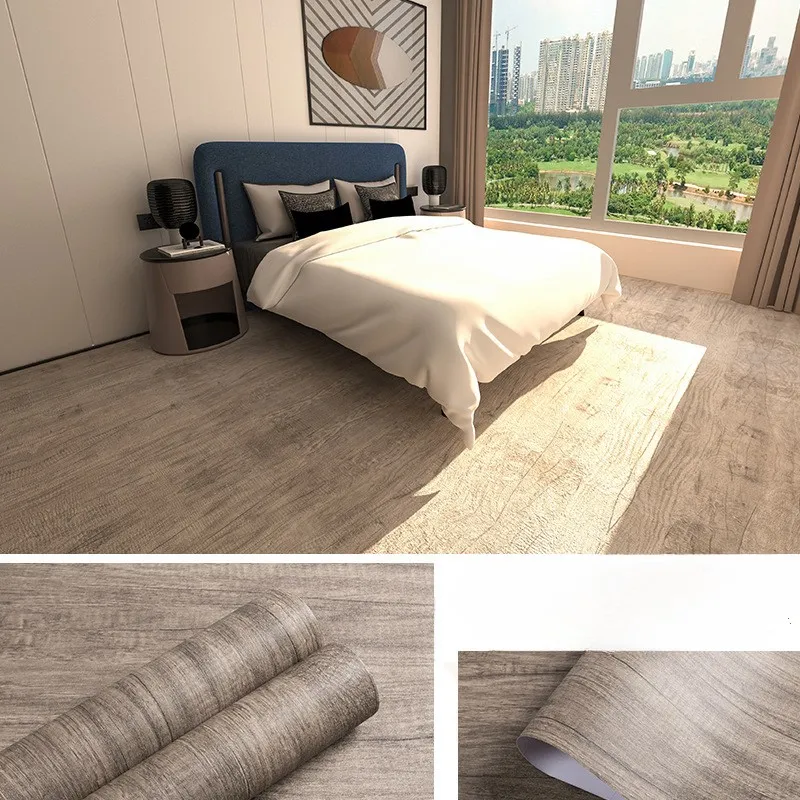
PVC sheet film pricing depends on material type, thickness, surface finish, and production process. Buyers—from furniture manufacturers to retail decorators—should evaluate total cost of ownership, not just unit price, to get the best value.
Raw materials (PVC resin, plasticizers, stabilizers), production method (calendering vs. extrusion), and finishing (lamination, printing, embossing) drive most cost differences. Labor, energy, and local regulations add regional variations.
Below is a sample market comparison for common PVC sheet film types. Prices are indicative and shown per square meter (USD), intended to help you benchmark suppliers during initial sourcing.
| Product Type | Thickness | Common Roll Size | Indicative Price (USD/m²) |
|---|---|---|---|
| Thin protective film | 20–50 µm | 1000 mm x 200 m | $0.10 – $0.30 |
| Decorative PVC film (printed) | 80–180 µm | 1220 mm x 50–100 m | $0.60 – $2.50 |
| Floor film / anti-slip | 150–500 µm | 1000–1500 mm x 20–50 m | $1.20 – $4.00 |
| Specialty (antistatic, pearlescent) | 50–300 µm | Custom | $1.50 – $6.00+ |
1. Thickness and density: Thicker films need more raw material—higher cost but better durability. 2. Additives and coatings: Anti-scratch, UV stabilizers, or anti-oil coatings add to cost. 3. Printing & pattern complexity: Full-color digital prints and multi-layer patterns increase unit price. 4. Custom sizes & packaging: Split-packaging or special labelling raises handling costs. 5. Order quantity and MOQ: Larger orders lower per-unit cost—watch for price breaks at pallet or container volumes.
Producers with in-house calendering, printing, and split-packaging lines can offer tighter quality control and better price stability. Ask suppliers about QC checkpoints, raw material sourcing, and batch traceability to avoid hidden costs from rejects.
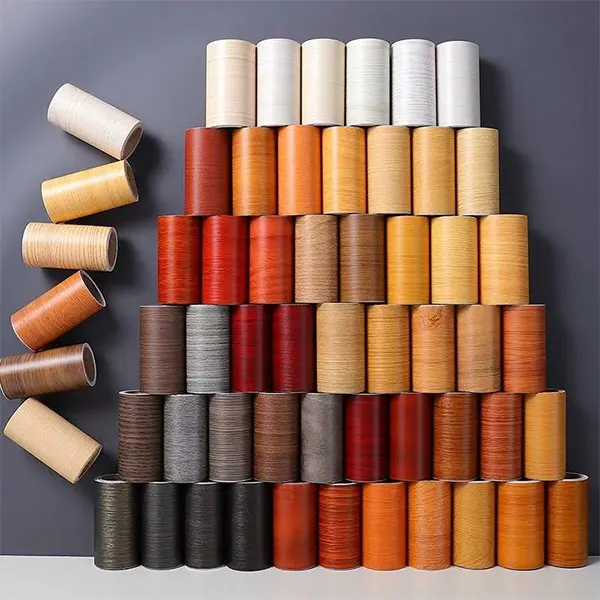
Product specs: Confirm thickness tolerance, surface finish, and color fastness. Samples & testing: Request physical samples and perform adhesion, abrasion, and peel tests. Lead time & MOQ: Verify production lead times and minimum order quantities. After-sales support: Warranty, replacement policy, and technical advice on installation matter.
1) Consolidate orders to access volume discounts. 2) Standardize dimensions to reduce cutting and split-pack costs. 3) Opt for in-house printing on rolls to reduce outsourcing fees. 4) Negotiate packaging options to lower freight and handling.
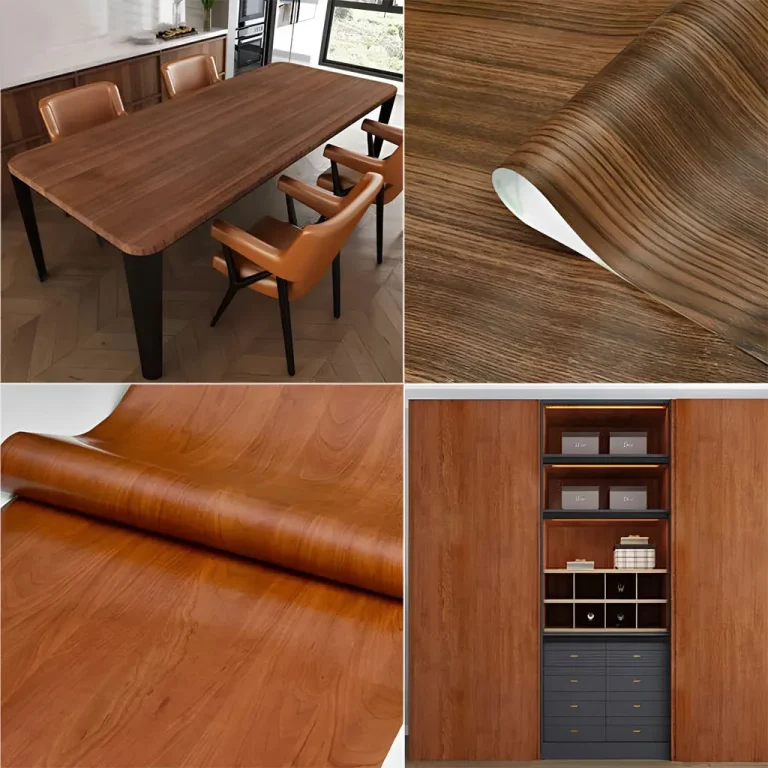
For cabinet manufacturers, decorative PVC films with wood-grain prints are popular. Choosing a slightly thicker film (120–180 µm) can improve edge-wrapping performance and reduce rework—often more economical than buying the cheapest thin grade.
Freight mode (sea vs. air), packing density, and duty/taxes affect landed cost. Request FOB, CIF, and EXW quotations to compare. Consolidated container loads and efficient palletization reduce per-unit freight impact.
Ask suppliers to break down costs: raw material, printing, finishing, packaging, and freight. Request price tiers for different quantities and ask about seasonal raw material surcharges. Consider a trial order to validate quality before full-scale procurement.
Q: Is cheaper always worse? A: Not always—evaluate total performance. Very low-cost films may need more replacements. Q: How to lower unit cost? A: Increase MOQ, accept standard sizes, and reduce print complexity.
Working with a supplier that handles calendering, printing, and split-packaging under one roof helps control quality and provides more competitive lead times. For example, Pulivk operates complete in-house lines to ensure consistent quality and flexible OEM support—helpful when you need tailored colors, prints, or split-pack orders.
Prepare a clear RFQ with target thickness, roll width/length, print samples, and desired MOQ. Compare 3–5 suppliers on technical capabilities, sample performance, and total landed cost. Prioritize long-term supplier relationships that balance price, quality, and delivery reliability.