Address
304 North Cardinal St.
Dorchester Center, MA 02124
Work Hours
Monday to Friday: 7AM - 7PM
Weekend: 10AM - 5PM
Address
304 North Cardinal St.
Dorchester Center, MA 02124
Work Hours
Monday to Friday: 7AM - 7PM
Weekend: 10AM - 5PM


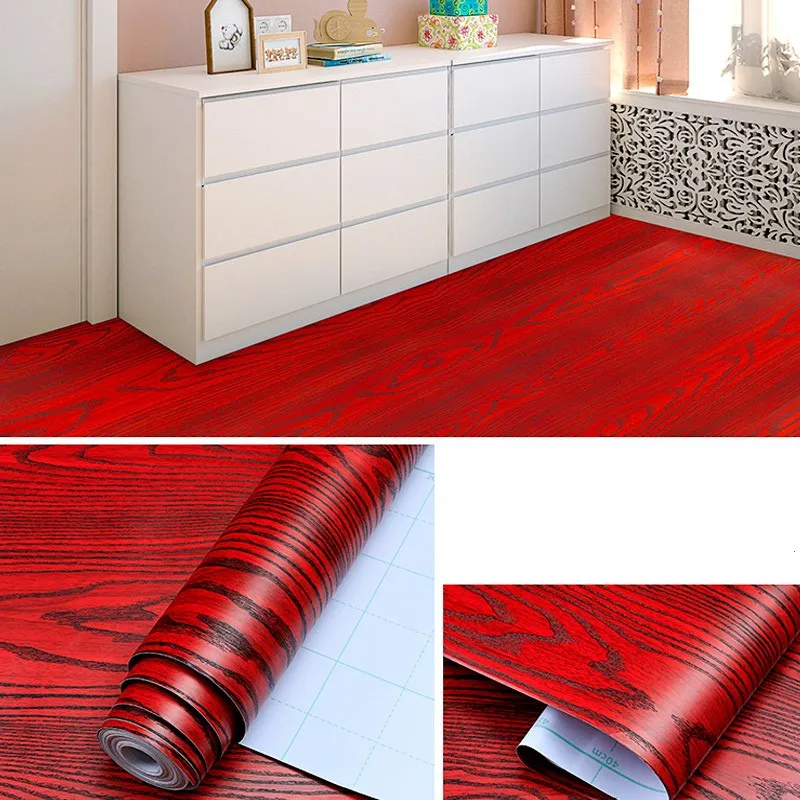
PVC film hot melt adhesive is a fast-curing thermoplastic bonding solution widely used to laminate, edge, and bond decorative PVC films onto substrates in furniture, flooring, automotive trim, and packaging. Its strong initial tack, clean processing, and compatibility with calendered or embossed PVC make it a go-to choice for manufacturers seeking reliable, rapid assembly without long drying cycles.
Hot melt adhesives formulated for PVC film applications are typically based on EVA, polyolefin, or specially modified thermoplastic copolymers. They are supplied as solid pellets or ready-to-use films and are applied with heated applicators or laminating rollers. When molten, these adhesives wet the PVC surface and form durable bonds on cooling — ideal for continuous production lines and high-speed calendering operations.
Understanding adhesive performance helps specify the right grade for each PVC film product. Typical attributes include:
Fast set time for immediate downstream handling.
High peel and shear strength for flooring and edge banding.
Compatibility with coatings, inks and surface finishes used on decorative films.
Thermal stability to withstand laminating and printing temperatures.
| Parameter | Typical Range | Notes |
|---|---|---|
| Application temp | 150–200°C | Depends on film type & equipment |
| Viscosity (mPa·s) | 10,000–60,000 | Lower for spray/slot dies |
| Tack/Set time | 1–30s | Critical for line speed |
| Peel strength | >10 N/25mm | Measured after 24h |
PVC film hot melt adhesives serve many industries. Here are the most common uses where performance and efficiency matter:
Edge banding, door skins, and veneer-like PVC films are laminated to MDF, particleboard, or plywood using hot melt systems. Benefits include low VOCs, immediate handling strength, and a consistent profile for post-processing like CNC trimming and drilling.
Commercial SPC/LVP flooring and decorative skirting membranes rely on hot melt adhesives for peel resistance and moisture stability. Fast assembly and high line speeds make hot melt the preferred adhesive in mass production.
PVC films used for instrument panels, door trims, and protective overlays require adhesives with thermal and vibration resistance. Hot melt systems formulated for automotive specs comply with industry demands for durability and surface appearance.
Self-adhesive protective films and split-packaging operations use hot melt adhesives to bond release liners or create composite structures without solvents, improving environmental footprint and process cleanliness.
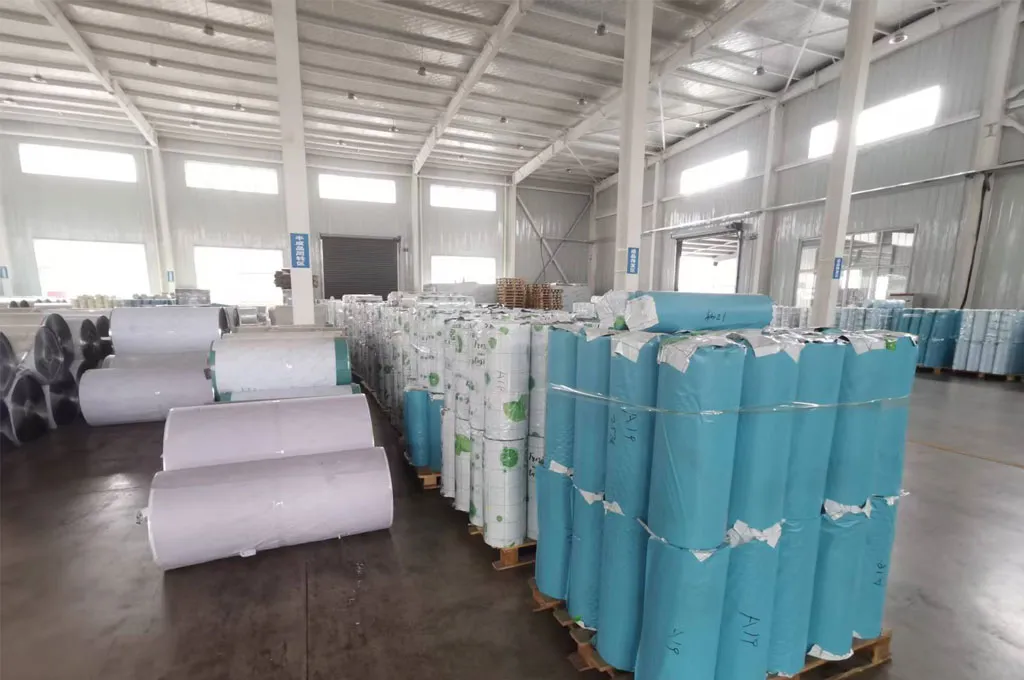
Hot melt adhesives offer tangible advantages on production floors:
Speed: Instant setting reduces cycle time and increases throughput.
Clean processing: No solvents and minimal emissions simplify ventilation and regulatory compliance.
Consistent bond quality with automated dosing, slot die, or roller coaters.
Reduced rework due to immediate tack and stable long-term adhesion.
Ensure surfaces are clean, dry, and free from release agents. For printed PVC films, verify ink cure before bonding to avoid adhesion failures.
Select application equipment that matches adhesive viscosity: slot dies and roller coaters are common in laminating lines, while spray or bead heads suit complex profiles. Maintain temperature control within the adhesive supplier’s recommended window for consistent viscosity and tack.
Monitor peel and shear values routinely and validate environmental resistance (heat, humidity) for end-use conditions. Proper storage (cool, dry) preserves hot melt pellets or films until use.
Work with partners who understand calendered film production, flexible OEM needs, and split-packaging integration. Pulivk (https://pvcfilmtec.com/) offers full in-house production lines and experience working with decorative PVC films and related adhesive processes, providing supply chain consistency and cost advantages.
For manufacturers of furniture, flooring, automotive trim, and protective films, PVC film hot melt adhesives deliver a balance of speed, strength, and environmental benefits. Proper specification, equipment matching, and QC ensure long-lasting bonds and attractive surface finishes — making hot melt a central component in modern PVC film production workflows.