Address
304 North Cardinal St.
Dorchester Center, MA 02124
Work Hours
Monday to Friday: 7AM - 7PM
Weekend: 10AM - 5PM
Address
304 North Cardinal St.
Dorchester Center, MA 02124
Work Hours
Monday to Friday: 7AM - 7PM
Weekend: 10AM - 5PM


 ByPulivk
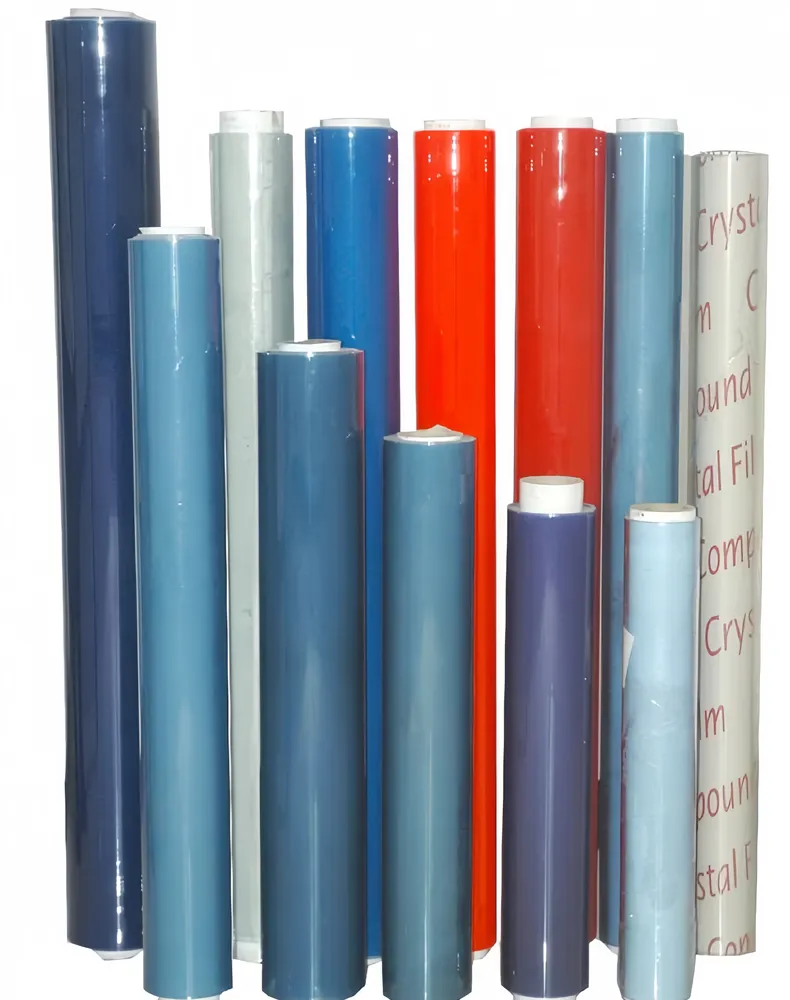
PVC film is widely used for furniture wrap, kitchen panels, floor stickers and protective layers because it’s inexpensive, printable and versatile. Yet many users notice PVC surfaces stain more easily than expected—oil splashes, marker ink, and dyes can leave visible marks. Understanding the root causes, surface properties, and practical improvements helps manufacturers and end users get better stain resistance from PVC film.
PVC film is a polymer matrix often modified with plasticizers, stabilizers and pigments. Several intrinsic and process-related factors reduce stain resistance:
Soft PVC formulations contain plasticizers that can migrate to the surface over time. The resulting oily surface attracts dirt and makes liquids spread and penetrate more easily, leaving greasy marks.
Untreated PVC typically has moderate-to-low surface energy. However, microscopic roughness or residual processing residues can create regions where oils and dyes stick and resist cleaning. Low surface energy alone isn’t always protective—ink and oil can still wet and adhere if the chemistry matches.
Embossed, matte or textured finishes increase microscopic valleys that trap soils. Even “anti-fingerprint” matte films often show staining because contaminants lodge in texture valleys and are shielded from simple wiping.
PVC can acquire static charge during calendering and handling, attracting fine dust and particulate stains that then bind with oily residues, making stains appear more persistent.
Designers and quality engineers evaluate a few measurable properties to predict stain performance:
| Surface Treatment | Typical Surface Energy (mN/m) | Effect on Stain Resistance |
|---|---|---|
| Corona / Air Plasma | 38–48 | Improves adhesion of coatings and inks; reduces oily migration slightly |
| Primer / Anchor Coat | 45–55 | Creates barrier layer; greatly improves cleanability |
| Hard Topcoat / UV Cure | >50 | Best for oil/dye resistance; prevents absorption and staining |
| Anti-static Treatment | Varies | Reduces particulate attraction; indirect stain benefit |
Improvements fall into three categories: formulation, surface treatment, and user maintenance. Choosing the right combination yields the best results.
– Use low-migrating plasticizers or heat-stable plasticizers designed to remain bound inside the polymer matrix.
– Increase pigment/binder compatibility to avoid dye uptake.
– Add UV stabilizers and antioxidants to slow degradation that can expose staining-prone layers.
– Apply corona or plasma treatment before printing or coating to raise surface energy temporarily and allow better bonding of primers.
– Use a thin primer or coupling layer that blocks plasticizer migration and provides a smooth, non-porous base for a topcoat.
– Overcoat with a hard, UV-cured acrylic or polyurethane topcoat for durable oil and dye resistance. These topcoats create a surface that can be wiped clean without leaving residues.
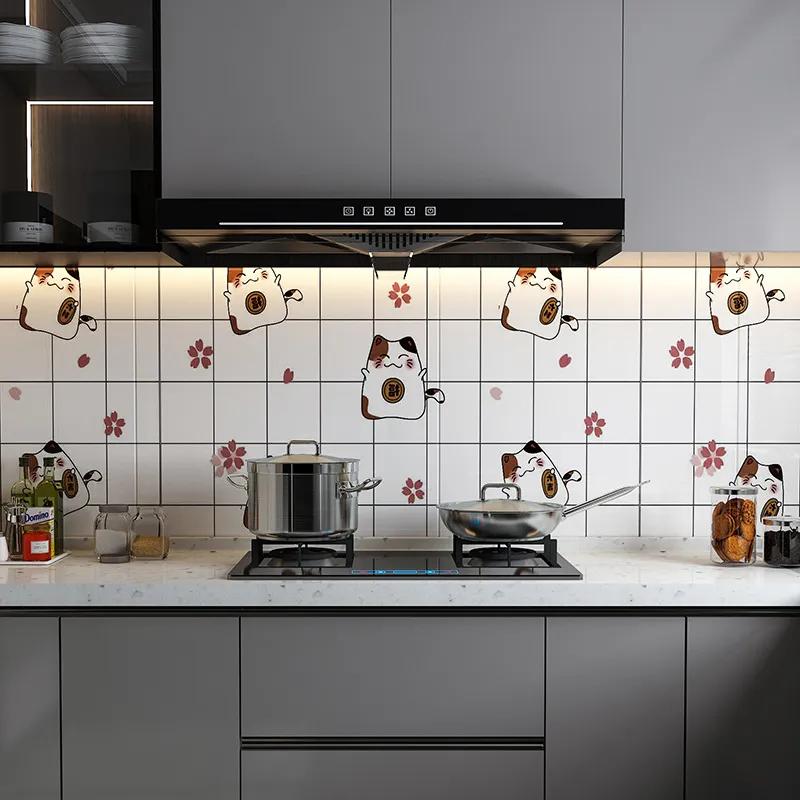
Anti-static additives or surface finishes reduce dust pickup, which limits grime buildup and makes cleaning easier—especially important for high-contact items like cabinet doors and appliance wraps.
Laminating PVC film with an ultra-thin protective layer (PET or specialized clear PVC top film) gives a sacrificial surface that can be replaced if heavily stained—useful in kitchens and bathrooms.
Even optimized films need proper care. Best practices:
– Kitchen and high-oil environments: choose hard topcoats or oil-proof versions and consider laminated protection.
– Furniture and wardrobes: glossy films with UV-cured coats are ideal for stain resistance and easy wiping.
– Floors and skirting: durable topcoats and anti-scratch layers prevent buildup in grooves.
Pulivk provides calendered manufacturing and coating support for improved PVC film performance.
– Ask suppliers about plasticizer migration tests and surface energy numbers.
– Require a primer + UV topcoat for high-use applications.
– Specify anti-static or anti-soiling treatments where dust and particulate staining are concerns.
– Provide simple cleaning instructions with the product to help end users preserve appearance.