Address
304 North Cardinal St.
Dorchester Center, MA 02124
Work Hours
Monday to Friday: 7AM - 7PM
Weekend: 10AM - 5PM
Address
304 North Cardinal St.
Dorchester Center, MA 02124
Work Hours
Monday to Friday: 7AM - 7PM
Weekend: 10AM - 5PM


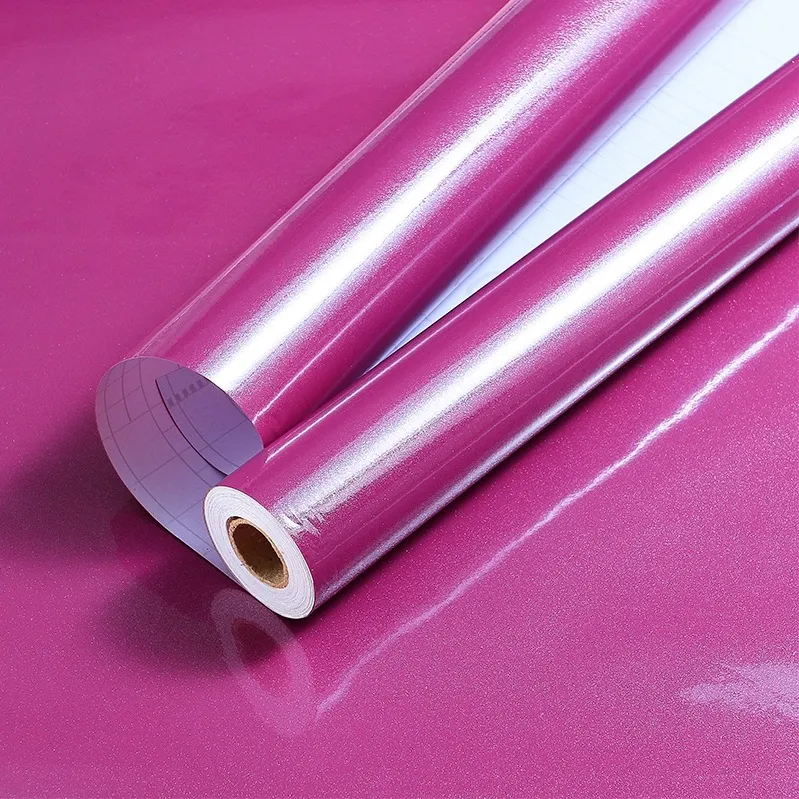
High-transparency film is a clear, high-clarity plastic film designed to let maximum light through while protecting, decorating, or packaging surfaces. Widely used across packaging, construction, automotive, and display industries, this film balances optical performance with functional durability to meet modern visual and protective demands.
High-transparency film is a specialty plastic sheet (often PVC, PET, or calendered polymers) engineered for excellent light transmission and low haze. Unlike matte or frosted films, these films keep colors vivid and edges crisp, making them ideal for applications that require both visibility and protection.
Optical clarity: High transmission (sometimes >90%) and very low haze for sharp imagery. Surface finish: Smooth glossy surfaces that enhance color and contrast. Durability: Good abrasion, chemical, and UV resistance when formulated appropriately.
PVC and PET are the most common bases. Calendered PVC films offer flexibility and printable surfaces; PET provides excellent dimensional stability and high-temperature tolerance. Multi-layer composites combine benefits (e.g., clarity + scratch resistance).
| Property | Typical Range | Why It Matters |
|---|---|---|
| Light transmission | 85%–95% | Determines clarity and color fidelity |
| Haze | < 2%–5% | Lower haze = sharper images |
| Thickness | 20μm–500μm | Affects strength and handling |
| Surface finish | Gloss / Ultra-gloss | Enhances brightness and appeal |
Crystal-clear packaging, blister packs, and overwraps use high-transparency film to showcase product color and detail. It improves shelf appeal and supports high-end branding while adding barrier and tamper resistance.
Backlit displays, point-of-sale graphics, and window graphics benefit from films that retain brightness and minimize hotspots. High-transparency film ensures printed images look sharp both day and night.
Furniture veneers, printed posters, and laminated wood use transparent films to protect surfaces from scratches and stains without hiding the grain or print.
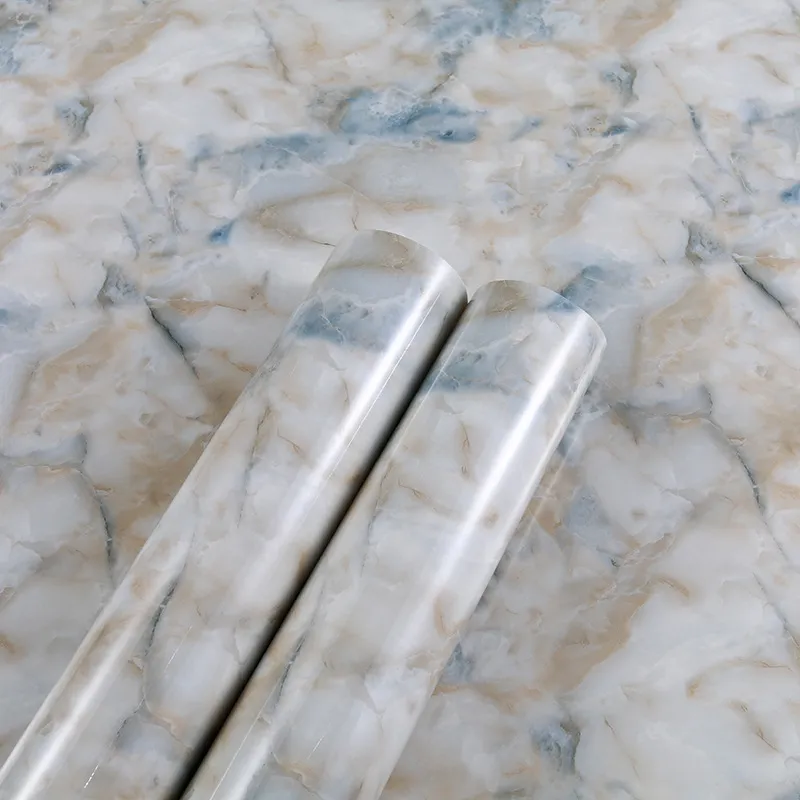
Clear protective films on interior trims, instrument panels, or decorative panels help preserve finishes. Architects use transparent films for glazing interlayers or decorative overlays that require both clarity and durability.
Transparent barrier films for medical packaging and device covers must meet strict cleanliness and biocompatibility standards while providing visual inspection of contents.
Check total light transmission and haze specs. For photography, printing, or displays, prioritize high transmission and very low haze.
Select thickness and reinforcement depending on tear resistance, flexibility, and expected handling during production.
For outdoor or UV-exposed applications, choose films with UV stabilizers and proven weather resistance.
Surface treatment (corona or primer) improves ink adhesion. If lamination or adhesive backing is required, confirm compatibility with adhesives and substrates.
Store rolls in a cool, dry place away from direct sunlight. During lamination or cutting operations, maintain clean rollers and blades to prevent scratches. For adhesive-backed films, use a squeegee and controlled heat to avoid trapped bubbles. Clean surfaces gently with mild detergent and a soft cloth to preserve gloss and clarity.
Many high-transparency films are recyclable depending on local programs and material choice (PET is more widely recycled than some PVC blends). Check regulatory requirements for food contact or medical use and choose certified grades when needed.
Yes. Most films are printable with UV, solvent, or water-based inks when properly treated. Always test adhesion and color reproduction before full production runs.
Clarity is quantified by total light transmission and haze values—lower haze and higher transmission equal better clarity.
That depends on the base polymer. PET tolerates higher temperatures than many PVC films; consult technical datasheets for processing limits.
Working with experienced suppliers helps secure consistent quality, controlled lead times, and tailored formulations. A full in-house production chain enables better quality control from raw materials to finished rolls—reducing costs and turnaround for OEM partners. For example, Pulivk operates calendering, printing, and split-packaging lines to support custom orders and stable deliveries.
If your project needs crystal-clear protection, vivid display performance, or printable glossy surfaces, evaluate film samples under real-world lighting and handling conditions. Request technical datasheets showing transmission, haze, thickness, and surface treatments to make an informed selection.