Address
304 North Cardinal St.
Dorchester Center, MA 02124
Work Hours
Monday to Friday: 7AM - 7PM
Weekend: 10AM - 5PM
Address
304 North Cardinal St.
Dorchester Center, MA 02124
Work Hours
Monday to Friday: 7AM - 7PM
Weekend: 10AM - 5PM


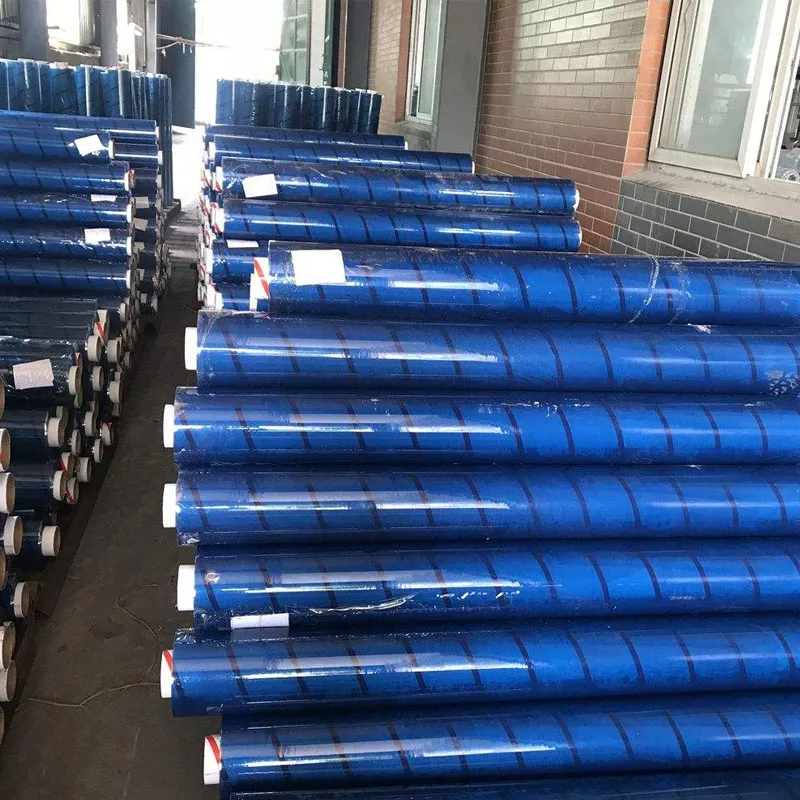
PVC film manufacturing is evolving from cost-driven mass production to sustainable, resource-efficient processes. This guide explains practical green manufacturing methods, eco-friendly solutions for PVC film lines, and measurable steps suppliers and brands can take to reduce environmental impact while maintaining product performance and competitive costs.
PVC is widely used for decorative, protective, and packaging films due to its durability and versatility. However, traditional production can be energy-intensive and produce emissions and waste. Transitioning to greener methods not only improves regulatory compliance and brand reputation but also delivers long-term cost savings through energy and material efficiency.
Primary concerns include fossil-based feedstocks, plasticizers and additives, VOC emissions during printing/lamination, wastewater from processing, and end-of-life disposal.
Material selection is the first step to greener PVC film. Strategies include:
Recycled content: Incorporate post-industrial or post-consumer PVC recyclate to reduce virgin polymer demand.
Low-impact additives: Choose non-phthalate plasticizers and halogen-free stabilizers where performance allows.
Supply chain transparency: Source verified feedstocks and require supplier environmental declarations to minimize embedded impacts.
Upgrading processes and equipment can deliver immediate sustainability gains:
Energy-efficient calendering: Optimize nip temperatures, use variable-speed drives, and recover waste heat from roll cooling systems.
Solventless and UV-curing inks: Replace solvent-based inks with water-based or UV-curable formulations to cut VOC emissions.
Closed-loop water systems: Recycle process water and minimize effluent through filtration and reuse.
Automated control systems reduce off-spec production and material waste. Real-time monitoring of temperature, pressure, and line speed improves first-pass yield and lowers energy per square meter of film produced.
Focus on prevention, recovery, and safe disposal:
Trim recycling: Reprocess extrusion and calender trims back into production streams whenever possible.
Air emission treatment: Use catalytic oxidizers or biofilters for low-concentration VOC streams.
Hazardous waste reduction: Substitute hazardous additives and optimize inventories to reduce disposal volumes.
Tracking key metrics helps prove progress to customers and regulators. The table below highlights typical targets for modern green PVC film lines.
| KPI | Typical Baseline | Green Target |
|---|---|---|
| Energy per tonne (kWh) | ~4,000 | ≤3,200 (20% reduction) |
| Waste trim return rate | ~50% | ≥85% |
| VOC emissions (mg/m³) | Variable | Meet local limit values & reduce by 30%+ |

Design decisions determine whether film can be recycled. Recommendations:
Avoid mixed-material laminates that hinder recycling; prefer mono-PVC constructions when possible.
Use clear labeling for material type and recycling instructions to support municipal and industrial collectors.
Develop take-back programs and partnerships with recyclers to close the loop on high-value film products.
Mechanical recycling is currently the most scalable route for PVC films. For contaminated or multi-layer films, chemical recycling and feedstock recovery are emerging options—especially where regulatory frameworks and local infrastructure support them.
Aligning with international standards helps access global markets:
ISO 14001 for environmental management and OHSAS/ISO 45001 for safety.
REACH and RoHS compliance where applicable to reduce restricted substances.
Customer-facing eco-labels and Environmental Product Declarations (EPDs) that quantify life-cycle impacts.
Regulatory expectations vary: European buyers increasingly demand high recycled content and strict additive controls; Southeast Asian markets prioritize cost-effectiveness and reliable supply; Middle Eastern importers value lead-time stability and customization options. Tailor sustainability messaging and product specs to local buyer priorities.
Conduct an energy and material audit of your PVC film line.
Invest in process automation and heat recovery where ROI is clear.
Switch to low-VOC inks and solventless laminations for printing and coating steps.
Establish trim recycling loops and supplier agreements for recycled resin supply.
Track KPIs and pursue relevant certifications to demonstrate commitment.
Manufacturers like Pulivk combine in-house calendering, printing, and split-packaging lines to control quality and implement many of these green practices while supporting flexible OEM and custom production.
Green PVC film manufacturing is both feasible and commercially advantageous. By focusing on materials, energy efficiency, emissions control, and circular design, producers can reduce environmental impact, meet customer demands, and unlock new market opportunities.