Address
304 North Cardinal St.
Dorchester Center, MA 02124
Work Hours
Monday to Friday: 7AM - 7PM
Weekend: 10AM - 5PM
Address
304 North Cardinal St.
Dorchester Center, MA 02124
Work Hours
Monday to Friday: 7AM - 7PM
Weekend: 10AM - 5PM


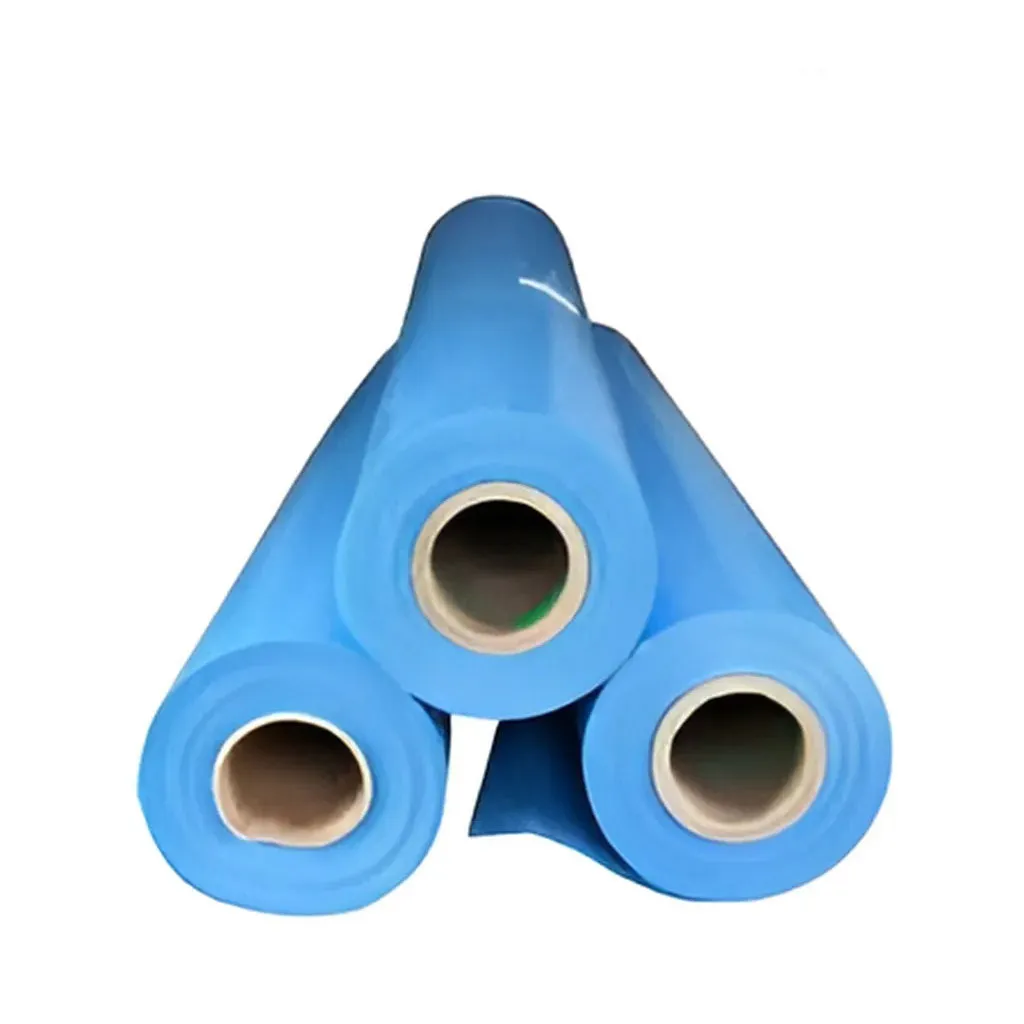
PE protective film is widely used to protect surfaces during manufacturing, transportation, and installation—but is PE protective film antistatic? This guide explains how antistatic functionality is achieved in polyethylene films, the differences between antistatic, dissipative and conductive films, how to choose the right type for your application, and simple tests to confirm antistatic performance.
PE (polyethylene) protective film is a thin polymer layer applied to surfaces like glass, metal, plastic, and coatings to prevent scratches, dust, and contamination. Standard PE films are insulating and can accumulate static charge during handling. To protect sensitive electronics or to prevent dust attraction, manufacturers develop antistatic PE films with modified surface properties.
Antistatic PE films reduce or eliminate surface charge via one of three methods: intrinsic conductive polymers, permanently blended antistatic additives, or surface-applied antistatic coatings. Each approach changes how fast charges dissipate and affects durability, cost, and clarity of the film.
1) Additives (internal) – Antistatic or dissipative additives are mixed into the polymer. They migrate slowly to the surface and provide long-lasting dissipative performance without changing film clarity significantly.
2) Surface coatings – A water- or solvent-based antistatic coating is applied to the film surface. Coatings work quickly but can wear off over time or with heavy abrasion.
3) Conductive layers – For ESD/grounding needs, conductive layers or metalized films are used; these are for specialized packaging rather than general protective film.
Not all antistatic films protect against electrostatic discharge (ESD). Terms to remember:
– Antistatic / Dissipative: Prevents charge build-up and reduces attraction of dust; surface resistivity typically 10^6–10^11 ohms/sq.
– Conductive / ESD: Allows charge to flow to ground; surface resistivity typically <10^6 ohms/sq and used for static-sensitive electronics packaging.
– Insulative: High resistivity (>10^12 ohms/sq) and prone to static build-up—unsuitable for sensitive items.
| Film Type | Surface Resistivity (Ω/sq) | Typical Applications |
|---|---|---|
| Antistatic / Dissipative | 10^6 – 10^11 | Protective film for electronics components, displays, finishes |
| Conductive / ESD | <10^6 | Groundable packaging, ESD-safe work surfaces |
| Standard PE (Insulative) | >10^12 | General-purpose protection where static is not a concern |
Manufacturers should label films as “antistatic”, “static dissipative”, or “ESD”. If specifications are missing, you can perform quick checks:
– Visual/Touch test: Antistatic films often feel slightly less “clingy” than standard PE and attract less dust.
– Surface resistivity meter: The most reliable test—measure ohms/sq and compare to target range for your application.
– Triboelectric test: Rub the film with cloth and observe spark or dust attraction; antistatic films show significantly reduced effect.

Pick a film based on the sensitivity of the protected item and expected handling conditions:
– For electronics components and PCBs: choose ESD-dissipative or conductive films with documented resistivity and durability.
– For consumer finishes, furniture, or glass: dissipative antistatic films that reduce dust attraction are typically sufficient.
– For long-term outdoor exposure: select formulations that resist leaching and maintain antistatic performance even after UV and moisture exposure.
Internal additives provide more durable antistatic properties and better value for long runs. Surface coatings can be cost-effective for short-term protection but may lose effectiveness with abrasion. Conductive films are more expensive and used only when grounding is necessary.
Consider antistatic PE film when packaging or protecting items that are:
– Static-sensitive electronics or optical components.
– Surfaces where dust attraction harms appearance or coating adhesion.
– Handled frequently in dry environments where triboelectric charging is common.
Q: Is every PE protective film antistatic?
A: No. Standard PE is insulating and can build static. Look for films specifically formulated as antistatic or ESD-safe.
Q: How long does antistatic performance last?
A: Depends on method—internal additives last longest; coatings may wear off with abrasion or cleaning.
Q: Can antistatic film protect electronics during shipping?
A: Yes, but ensure the film’s resistivity meets ESD packaging requirements for your products.
Ask suppliers for clear specs: surface resistivity (ohms/sq), test standard used (e.g., ASTM D257), film thickness, peel force (if adhesive), optical clarity, and abrasion resistance. Request samples for your exact product to validate performance under real handling conditions.
Pulivk (Henan Pulivk New Materials Co., Ltd.) offers a wide range of calendered and specialty films including antistatic PE options; their full in-house production and QC checkpoints help ensure consistent antistatic performance and timely delivery. Visit https://pvcfilmtec.com/ for product details and sample requests.
To answer the original question: PE protective film can be antistatic, but only if manufactured or treated for that purpose. Match film type (additive, coated, or conductive) to the sensitivity of your product and validate with resistivity testing before full-scale use.