Address
304 North Cardinal St.
Dorchester Center, MA 02124
Work Hours
Monday to Friday: 7AM - 7PM
Weekend: 10AM - 5PM
Address
304 North Cardinal St.
Dorchester Center, MA 02124
Work Hours
Monday to Friday: 7AM - 7PM
Weekend: 10AM - 5PM


 ByPulivk
CPP (cast polypropylene) film pricing depends on multiple variables — thickness, width, treatments, print runs, and order volume. Below you’ll find clear price ranges, buying tips, and a simple cost table to help you estimate how much CPP film will cost for retail or OEM projects.
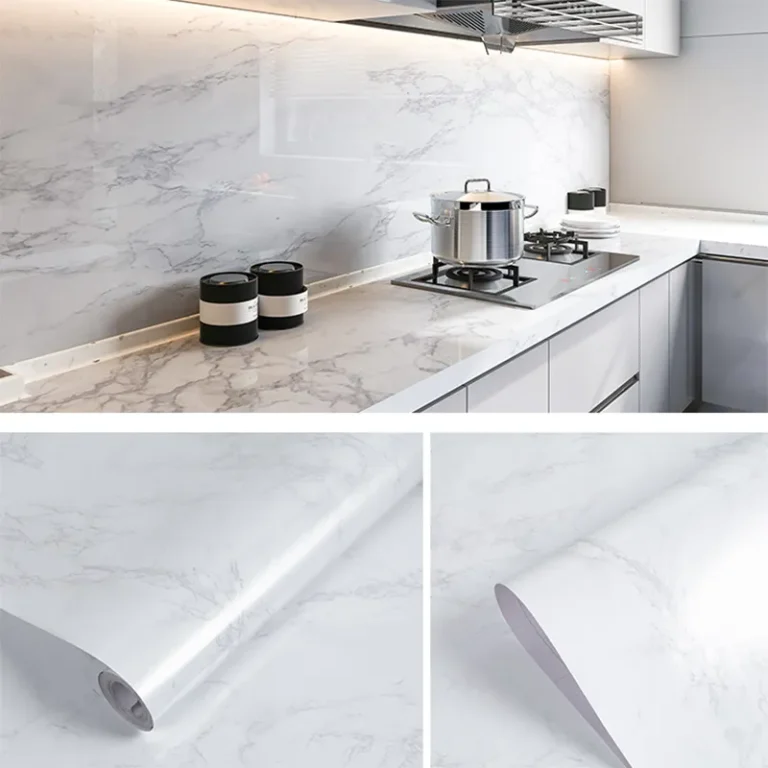
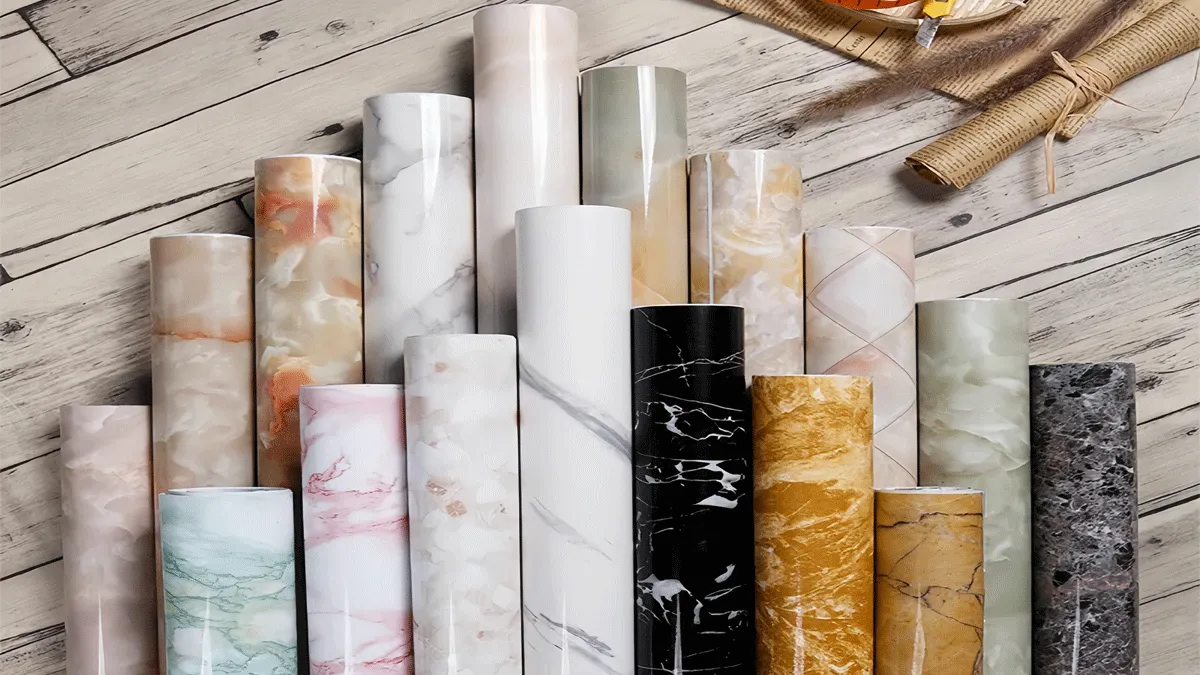
CPP (Cast Polypropylene) is a versatile thermoplastic film known for its clarity, gloss, and good heat-seal performance. Common uses include food packaging, laminated structures, labels, lamination over printed paper, anti-fog films, and decorative surface films for furniture and interiors.
CPP film is offered in a wide range of grades and finishes. Costs change significantly with: thickness (microns), roll dimensions, single- vs multi-layer constructions, printing or metallization, surface treatments (anti-static, corona), and whether the product is plain or custom-printed/embossed.
Thicker CPP consumes more raw polypropylene and therefore costs more per linear meter. Typical thicknesses range from 12 µm up to 100 µm+ for specialty uses.
Corona treatment, anti-fog, anti-static, slip agents, and heat-seal layers add cost. Metallizing or multi-color printing further increases unit price.
Custom printing or embossed textures usually require tooling and color setups — expect higher per-roll costs on short runs and much lower unit prices on large orders.
Manufacturers quote better prices for higher volumes. For small test runs or samples, per-unit cost can be significantly higher.
The table below gives conservative market ranges to help you estimate. Actual quotes depend on current commodity pricing, regional logistics, and order specifics.
| CPP Type | Common Thickness | Typical Price (USD/kg) | Typical Price (USD/standard roll) |
|---|---|---|---|
| Clear single-layer CPP | 20–30 µm | $1.10 – $1.80 | $30 – $120 (retail rolls) |
| Heat-seal CPP / thicker grade | 30–70 µm | $1.30 – $2.20 | $80 – $300 |
| Metallized or printed CPP | 15–50 µm | $1.80 – $3.50+ | $120 – $500+ (depends on print colors) |
| Specialty treated CPP | various | $2.00 – $4.50+ | Custom quote required |
Prices above are indicative and assume standard roll sizes and common market conditions. For bulk orders (tons), many manufacturers will quote lower USD/kg after negotiation. Small sample or printed prototype orders typically sit at the higher end of the ranges.
1. Consolidate volume: Larger purchase volumes reduce per-kg prices. Group similar SKUs together to hit discount thresholds.
2. Simplify customization: Fewer colors and simpler finishing cuts reduce tooling and setup costs.
3. Ask for FOB vs CIF options: Shipping terms affect landed cost. Negotiate logistics based on your import capabilities.
4. Consider standard widths: Non-standard widths may require additional slitting and handling fees.
Standard lead times for custom CPP films are usually 2–6 weeks depending on existing production schedules and print complexity. MOQs vary by supplier — from a few hundred kilograms for simple grades up to several tons for custom-printed or metallized products.
If you need superior clarity and heat-sealability at competitive cost, CPP is often the best choice. For very high barrier needs (oxygen/moisture), consider laminated structures with BOPP, PET or foil layers — but expect higher cost.
– Specify thickness (µm), width, core size, and roll length.
– State required treatments (corona, anti-static, anti-fog).
– Confirm print colors, repeat length, and proof requirements.
– Ask suppliers for sample rolls and lead time confirmation.
– Request detailed FOB/CIF and palletized packing costs.
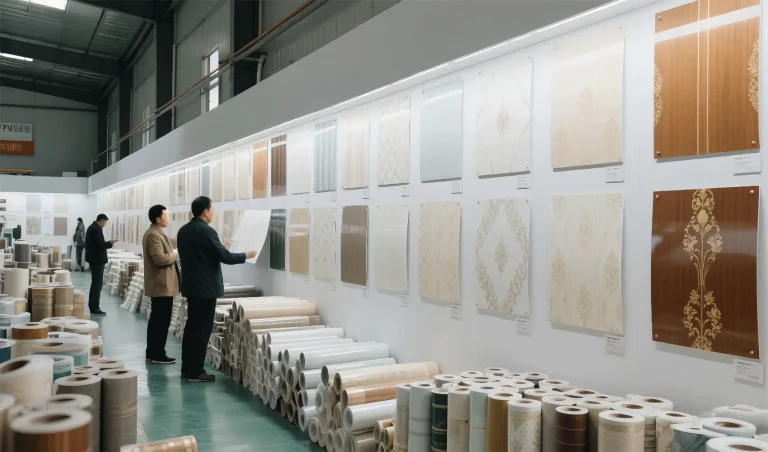
Pulivk (https://pvcfilmtec.com/) operates full in-house production with calendering, printing and split-packaging lines — a useful option if you need reliable OEM support, strict QC checkpoints, and flexible customization.
Get at least three competitive quotes, request samples, and compare total landed cost (material + printing + shipping + duties). Small tweaks in thickness or roll length can create meaningful savings at scale.