Address
304 North Cardinal St.
Dorchester Center, MA 02124
Work Hours
Monday to Friday: 7AM - 7PM
Weekend: 10AM - 5PM
Address
304 North Cardinal St.
Dorchester Center, MA 02124
Work Hours
Monday to Friday: 7AM - 7PM
Weekend: 10AM - 5PM


 ByPulivk
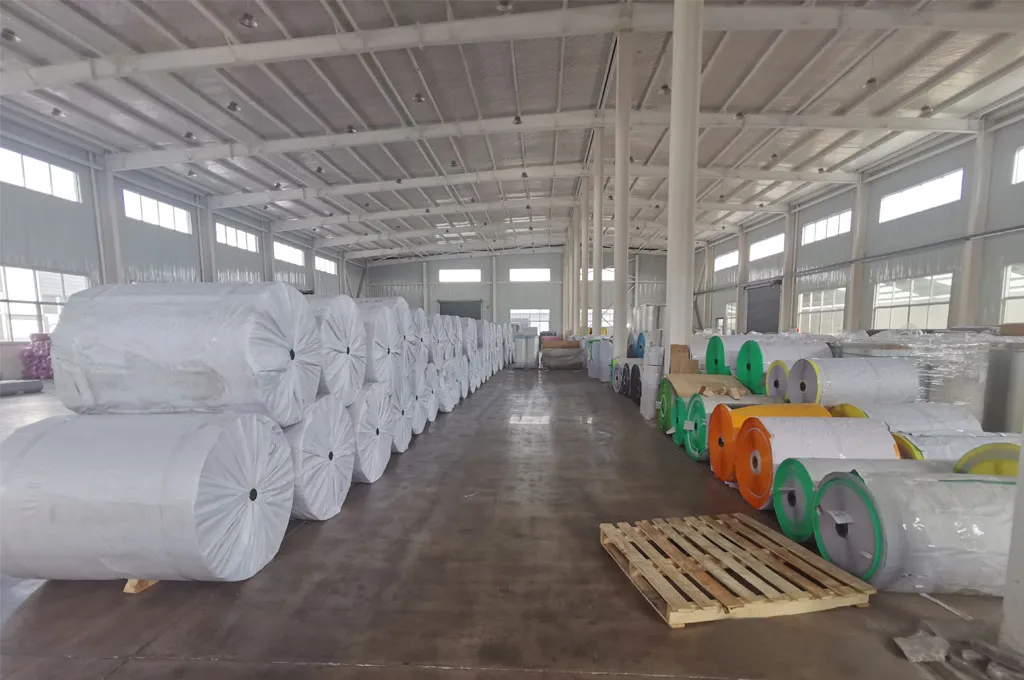
Proper stacking and storage of PVC film rolls prevents deformation, contamination, and production delays. This guide outlines industry-standard methods that optimize space, protect product quality, and improve workplace safety for warehouses and manufacturers handling PVC film.
Incorrect stacking can cause edge crushing, core deformation, and surface scratches that render film unusable for high-quality finishing. Establishing clear stacking standards reduces waste, preserves appearance, and maintains consistent adhesion and printing performance.
Start by inspecting each roll for surface defects, proper core alignment, and secure end wraps. Ensure pallet and racking surfaces are clean, flat, and free of sharp edges to avoid punctures.
Maintain a stable environment: moderate temperature, low humidity, and good air circulation. Avoid direct sunlight and sources of heat. Label storage zones by product type and production date for efficient retrieval.
Choose the stacking method based on roll diameter, weight, and the material finish (glossy, matte, embossed). Use these reliable approaches:
Place rolls horizontally on pallets with the core axis perpendicular to forklift travel. Use edge protectors and non-abrasive separators (e.g., kraft paper or thin foam sheets) between layers to prevent abrasion.
Store rolls standing on end in dedicated cradle racks that keep cores supported and prevent tipping. Limit stack height to avoid toppling; secure rows with straps or soft bands if necessary.
Smaller rolls or split packaging should be placed on shelves with soft liners. Keep identical specifications together and clearly tag each shelf with length, width, thickness, and batch number.
Use mechanical aids for heavy rolls. When manually handling, team-lift with clear communication and use gloves to improve grip and protect the film surface. When moving rolls with forklifts, use cradle attachments or extend forks under a pallet—never drag rolls across surfaces.

Always keep core inserts or end caps intact to maintain roundness. For printed or coated films, apply protective liners and keep outer wraps sealed until use to avoid contamination and UV exposure.
| Parameter | Recommended Range | Notes |
|---|---|---|
| Temperature | 15–25°C (59–77°F) | Avoid rapid swings; steady heat shortens film life |
| Relative Humidity | 40–60% RH | High RH risks mold/sticking; low RH can cause brittleness |
| Max Stack Height | 3–5 layers (dependent on roll diameter & weight) | Follow manufacturer limits to prevent compression |
| Shelf Life | 12–24 months (typical) | Store-per-spec; adhesive/resin-based films may age faster |
Implement a receiving checklist to record batch numbers, roll dimensions, weight, and visible damage. Use FIFO rotation and barcode or RFID tagging to reduce expired inventory and enable traceability.
Keep aisles clear and designate safe forklift routes. Store PVC film away from direct heat sources and flammable materials. Have appropriate fire-suppression equipment available and train staff on emergency roll removal procedures.
PVC film can emit hazardous fumes when burned. Ensure good ventilation in storage areas and provide material safety data sheets (MSDS) for all product types. In case of spills or wrap damage, quarantine affected rolls and inspect for contamination.
For consistent materials and full production-line support, consider a manufacturer that controls calendering, printing, and split-packaging in-house—such as Pulivk—to ensure reliable supply, customization, and stable lead times.