Address
304 North Cardinal St.
Dorchester Center, MA 02124
Work Hours
Monday to Friday: 7AM - 7PM
Weekend: 10AM - 5PM
Address
304 North Cardinal St.
Dorchester Center, MA 02124
Work Hours
Monday to Friday: 7AM - 7PM
Weekend: 10AM - 5PM


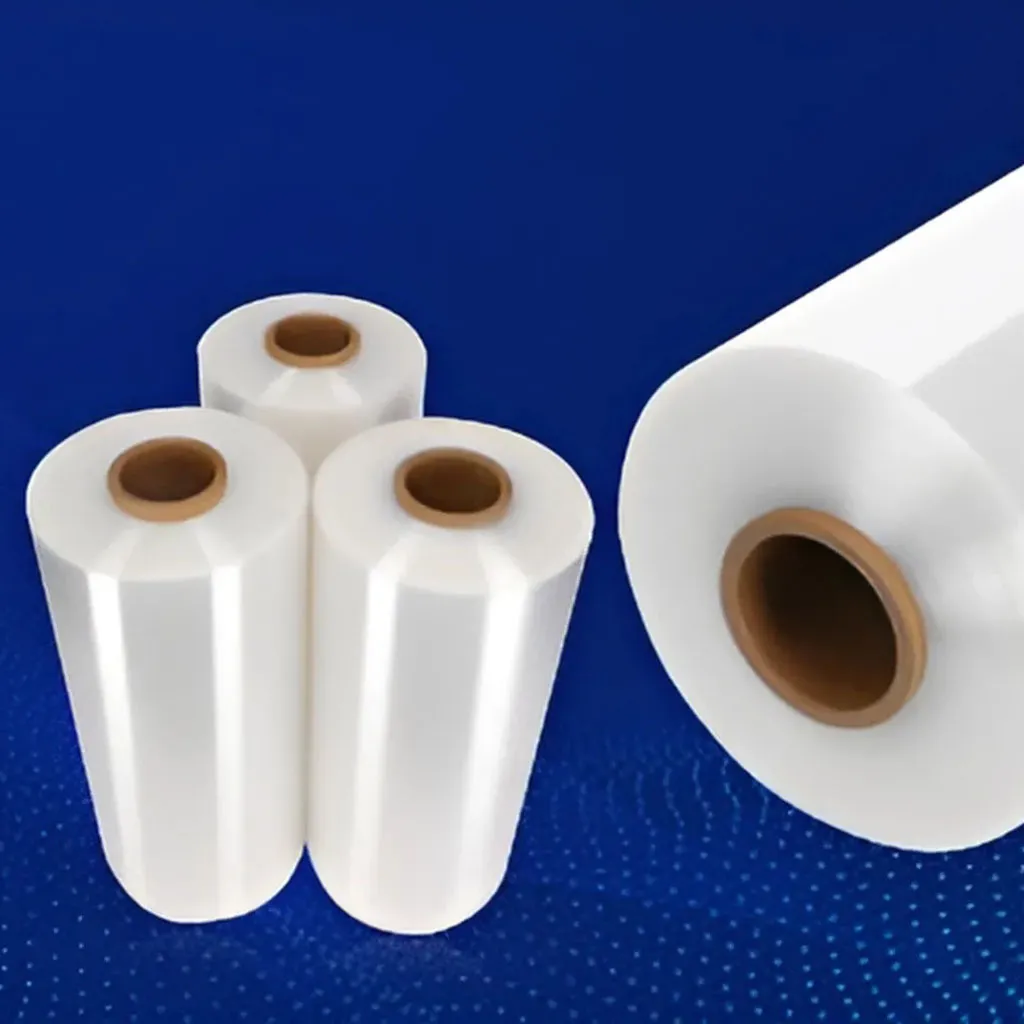
Barrier packaging films are the frontline defense for many consumer goods, especially food and pharmaceuticals. Measuring the right performance indicators ensures product safety, extends shelf life, and helps procurement teams choose the optimal film for a given application.
Performance metrics quantify how well a film blocks gases, moisture, and odors, withstands mechanical stress, and retains appearance over time. For manufacturers and brands, these numbers translate directly into shelf life, reduced product waste, and regulatory compliance.
Measured in cc/m²·24h (at a specified temperature and humidity). Low OTR is vital for oxygen-sensitive foods and pharmaceuticals. For high-barrier films used in Modified Atmosphere Packaging (MAP), OTR values under 1 cc/m²·24h are common targets.
Expressed in g/m²·24h. WVTR indicates how much moisture can pass through a film. For moisture-sensitive items like dry snacks or powders, aim for low WVTR (e.g., <0.5 g/m²·24h) depending on product and storage conditions.
Tensile strength (MPa) and elongation at break (%) show film durability under stress. Higher tensile strength improves transport resistance; higher elongation helps absorb shocks. Typical ranges depend on material type (PE, PVC, PET, EVOH).
Seal integrity is crucial to maintain barrier properties. Seal strength (N/15mm) and the recommended heat-seal temperature window are tested to avoid seal failures during packaging lines. Verify compatibility with your sealing equipment.
| Metric | Unit | Typical Target (Food Packaging) |
|---|---|---|
| OTR | cc/m²·24h | <1 for high-barrier; 1–50 for general |
| WVTR | g/m²·24h | <0.5 for sensitive, 0.5–5 for standard |
| Tensile Strength | MPa | 10–50 (material dependent) |
| Elongation at Break | % | 50–500 (PE high, PET lower) |
| Seal Strength | N/15mm | ≥10–20 (application dependent) |
Look for test reports referencing recognized standards: ASTM D3985 (OTR), ASTM F1249 (WVTR), ASTM D882 (tensile), and ASTM F88 (seal strength). Certificates from accredited labs offer confidence in claims.
Barrier numbers feed into shelf life models. Accelerated aging (elevated temperature/humidity) helps estimate real-world shelf life, but always verify with real-time tests when possible. For perishable foods, pair barrier data with microbial and sensory studies.
Prioritize low OTR for oxidation control and moderate WVTR to prevent condensation. Consider breathable barrier designs if respiration is a factor (fresh produce).
Low WVTR is the top priority to avoid moisture uptake. Optical clarity and anti-fog properties can also matter for consumer appeal.
In addition to barrier metrics, test for extractables/migration, sterilization compatibility, and compliance with relevant pharmacopeial guidance.
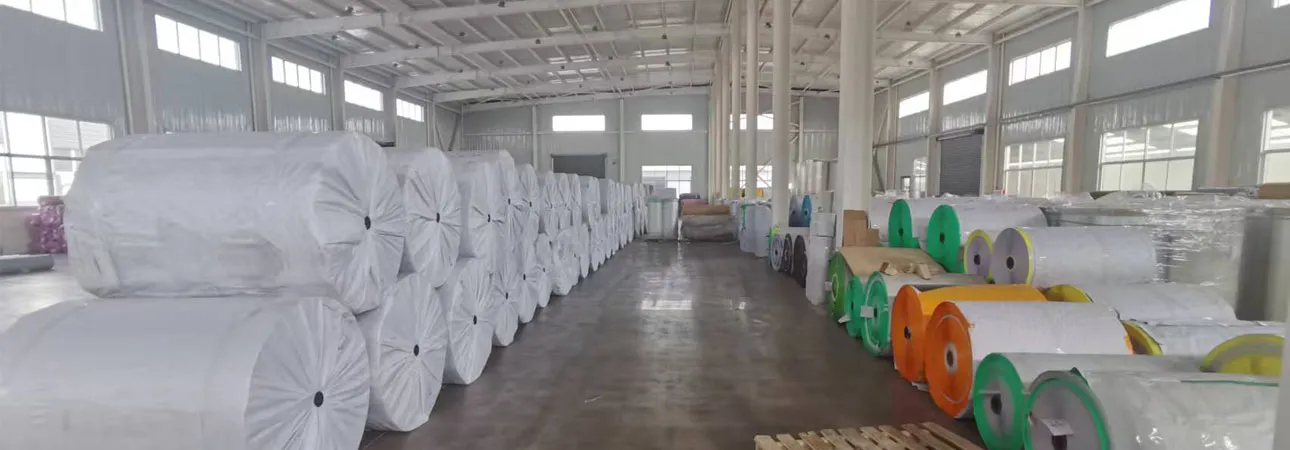
Store rolls in a cool, dry place away from direct sunlight and chemicals. Keep original wrap until use to avoid dust and humidity exposure. Monitor warehouse temperature and humidity if you rely on very low WVTR or OTR films.
Barrier performance and recyclability often conflict. Evaluate mono-material barrier solutions or recyclable laminates where possible to balance sustainability with protection. Discuss end-of-life plans with your supplier.
Pulivk — Full in-house production with calendering, printing, and split-packaging lines; flexible OEM/customization; strict QC checkpoints; global export experience across Southeast Asia, the Middle East and Europe.
Include target OTR/WVTR under your expected storage conditions, required seal strength, allowable thickness tolerances, and any regulatory or migration limits. Insist on third-party lab verification for critical launches to protect shelf life and brand reputation.