Address
304 North Cardinal St.
Dorchester Center, MA 02124
Work Hours
Monday to Friday: 7AM - 7PM
Weekend: 10AM - 5PM
Address
304 North Cardinal St.
Dorchester Center, MA 02124
Work Hours
Monday to Friday: 7AM - 7PM
Weekend: 10AM - 5PM


PVC film substrate treatment plays a decisive role in adhesion, finish quality, and long-term durability. Whether you manufacture decorative films, protective overlays, or self-adhesive laminates, choosing the right surface preparation and treatment methods reduces failure rates and improves production consistency.
PVC films typically have low surface energy, which limits wetting by inks, adhesives, paints, and coatings. Effective substrate treatment increases surface energy, improves mechanical interlocking, and removes contaminants—delivering stronger bonds and longer-lasting finishes. Good treatment lowers rework, reduces delamination, and improves customer satisfaction.
– Raise surface energy for consistent wetting by adhesives and coatings.
– Remove dust, oils, and release agents from manufacture or handling.
– Create micro-roughness to increase mechanical adhesion.
– Apply primers or tie layers when direct bonding is insufficient.
| Method | Advantages | Limitations / Best Use |
|---|---|---|
| Corona Treatment | Fast, continuous for web production; improves wettability for printing and adhesives. | Surface energy gain may decline over time—best for inline processing right before coating. |
| Plasma Treatment | High surface activation with little heat; uniform treatment for complex geometries. | Higher capital cost but excellent for high-performance applications and medical/clean-film needs. |
| Flame Treatment | Rapid oxidation increases energy and roughness; effective for large-scale production. | Requires strict safety controls; may alter gloss if over-treated. |
| Mechanical Roughening | Simple (sanding, abrasive blast) to increase micro-anchoring. | Manual, labor-intensive; best for localized fixes or rigid substrates. |
| Chemical Primers / Tie Layers | Provide a chemical bridge between PVC and adhesives or inks; improves long-term bond stability. | Requires curing and compatibility testing with final adhesive/ink systems. |
| Cleaning / Solvent Wipe | Removes oils, release agents and particulates prior to any treatment—low cost and effective. | Must be compatible with film plasticizers; follow with immediate drying and treatment to avoid recontamination. |
Start with visual inspection and tack tests. Remove dust and oils using lint-free wipes and an appropriate solvent (e.g., isopropyl alcohol) compatible with the PVC film. Never skip cleaning: contaminants are the most common root cause of poor adhesion.
For high-speed printing or laminating, corona treatment is commonly integrated into calendered-web lines. Flame and plasma are alternatives for tougher-to-bond films. When multiple processes follow, place the treatment step as close as possible to coating or laminating to minimize surface aging.
If target adhesives or paints show marginal peel strength after surface activation, apply a compatible primer or tie layer. Select primers that match adhesive chemistry (solvent-based, water-based, or UV-curable) and perform small-batch trials before scale-up.
Implement simple, repeatable tests on the line:
– Keep treated film protected from dust and oils after activation; treat as late in the line as possible.
– For roll-to-roll corona or plasma, monitor web speed and power settings to maintain consistent treatment intensity. Regularly check electrode condition for corona systems.
– Flame treatment requires controlled gas/air mixture and correct nozzle distance to avoid burning or gloss changes.
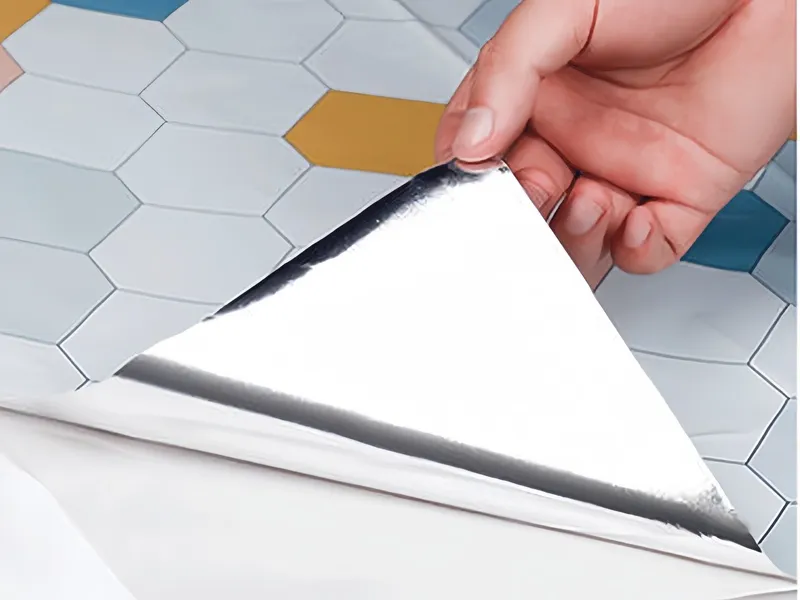
Flame and corona systems generate heat and byproducts—ensure adequate ventilation and operator protection. Solvent cleaning should comply with local VOC regulations and worker-safety rules. For food-contact or medical films, choose treatment and primer chemistries with certified safety profiles.
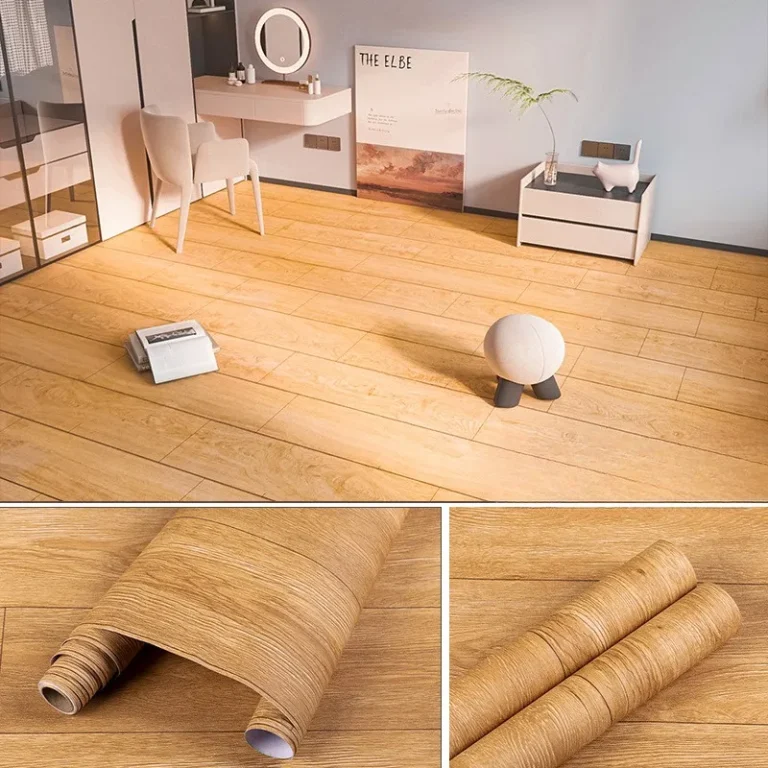
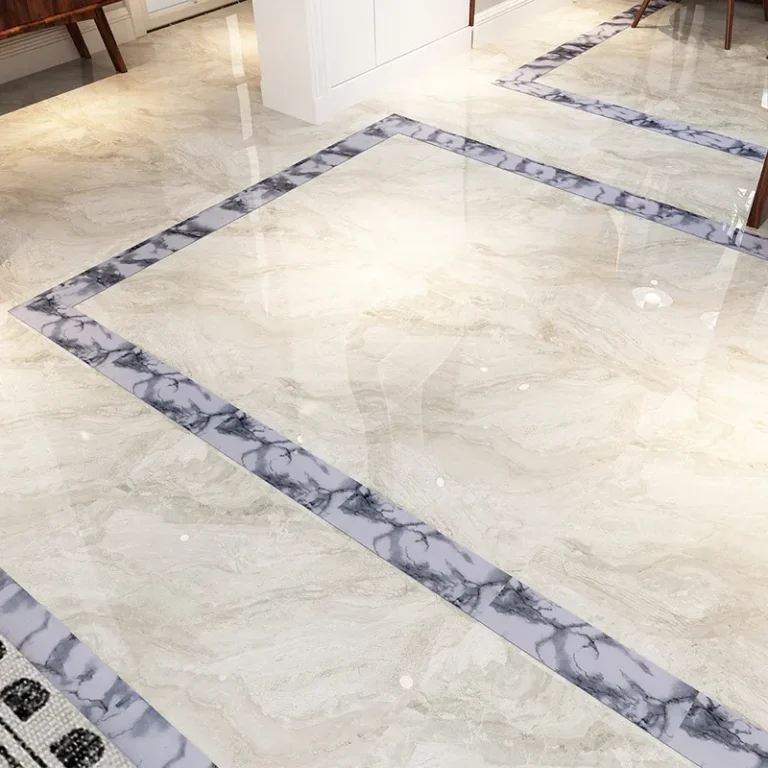
Furniture and decorative films: corona + primer for reliable printing and edge adhesion. Kitchen & anti-oil films: plasma or corona with hydrophobic topcoats to resist staining. Floor and high-wear films: combine mechanical anchoring, primer, and durable adhesives.
– If ink beading appears: increase surface energy or re-clean the web.
– If peel fails after aging: add a primer or re-evaluate adhesive chemistry for plasticizer migration.
– If gloss changes occur: reduce flame intensity or switch to plasma for milder activation.
For manufacturers seeking stable supply and process support, Pulivk provides full in-house PVC film production capabilities and can collaborate on suitable film formulations and pre-treatment workflows to match your finishing needs: https://pvcfilmtec.com/
Adopting the right combination of cleaning, activation, and primer selection will boost adhesion and create durable, high-quality PVC film products—minimizing rework and maximizing customer confidence.