Address
304 North Cardinal St.
Dorchester Center, MA 02124
Work Hours
Monday to Friday: 7AM - 7PM
Weekend: 10AM - 5PM
Address
304 North Cardinal St.
Dorchester Center, MA 02124
Work Hours
Monday to Friday: 7AM - 7PM
Weekend: 10AM - 5PM


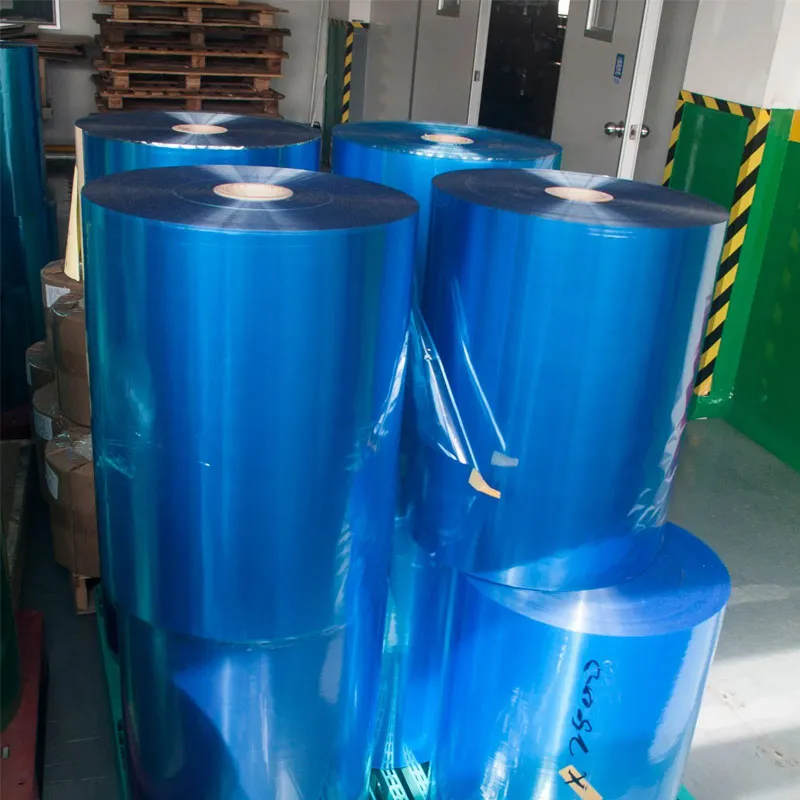
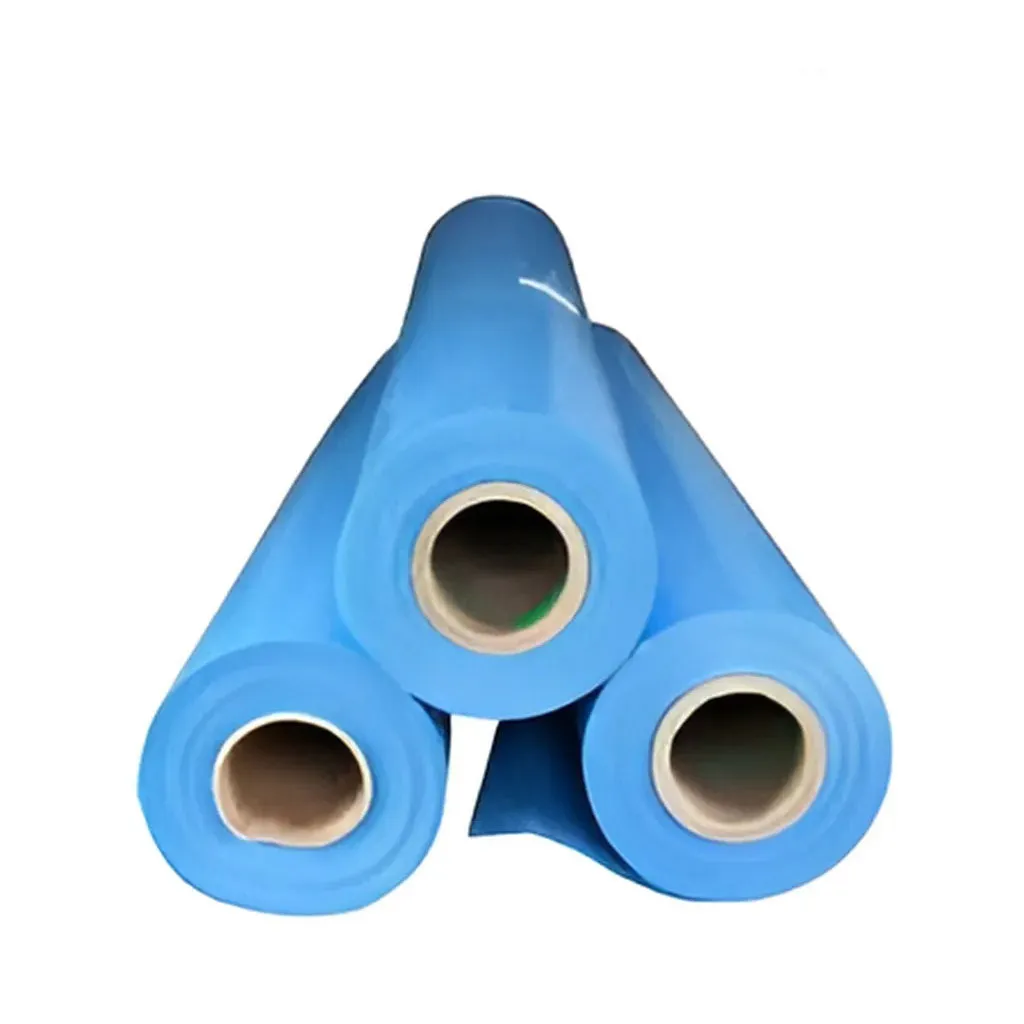
PE electrostatic protective film is a thin, polyethylene-based cling film designed to protect surfaces during manufacturing, transport, storage, and installation. Unlike traditional adhesive tapes, this film uses electrostatic attraction to cling to smooth surfaces such as glass, metal, painted panels, and plastic—offering temporary protection without leaving residue.
The film is manufactured from low-density or linear low-density polyethylene that’s processed to create a lightly charged surface. When applied, electrostatic forces help the film adhere evenly, creating a protective barrier against scratches, dust, and light moisture. Some variants include antistatic additives to reduce dust attraction on sensitive electronics and painted parts.
PE electrostatic protective film is widely used across industries:
| Feature | Typical Range | Best For |
|---|---|---|
| Thickness | 20–120 microns | Light protection to heavy-duty transit |
| Adhesion / Cling | Electrostatic / low-tack | Sensitive finishes, glass |
| Width | 50–1600 mm | Small screens to full-sheet panels |
| Temperature Range | -20°C to 60°C (varies) | Indoor storage and short-term outdoor exposure |
To maximize protection and ease of use, follow these practical steps:
When selecting PE electrostatic protective film, evaluate:
Pulivk operates full in-house production with calendering, printing, and split-packaging lines—offering OEM customization, strict quality control, and stable lead times to serve global customers.
Will electrostatic film leave adhesive? No—proper PE electrostatic films cling without adhesive and are formulated to remove cleanly.
Is it reusable? Light-duty installations can allow short-term reuse, but performance drops once contaminated by dust or oils.
If you need tailored PE electrostatic protective film—different widths, thicknesses, antistatic options, or printed rolls—select a supplier that supports flexible OEM and reliable quality control for consistent results.