Address
304 North Cardinal St.
Dorchester Center, MA 02124
Work Hours
Monday to Friday: 7AM - 7PM
Weekend: 10AM - 5PM
Address
304 North Cardinal St.
Dorchester Center, MA 02124
Work Hours
Monday to Friday: 7AM - 7PM
Weekend: 10AM - 5PM


Tempered glass screen protectors are a popular way to protect smartphone, tablet, and wearable displays from scratches, impacts, and everyday wear. This guide explains what tempered glass is, how it differs from plastic films, how to choose the right protector, and how to install and care for it to keep your screen clear and responsive.
Tempered glass screen protectors are thin layers of chemically or thermally strengthened glass created to resist scratches and shattering. Unlike ordinary glass, tempered glass undergoes a controlled heating and rapid cooling process (or chemical ion exchange) that increases surface compression and structural strength — giving you a clear, smooth, and durable protective layer.
Hardness: Most tempered protectors are rated around 9H on the pencil hardness scale, which resists keys and coins. Clarity: High-quality tempered glass offers excellent transparency and preserves display colors. Smooth touch: An oleophobic coating reduces fingerprints and improves swipe responsiveness.
Manufacturers cut thin glass to size, polish the edges, and then strengthen it through heat tempering or ion exchange. After tempering, coatings are applied for anti-fingerprint (oleophobic), anti-glare (matte), or blue-light filtering. Precision cutting and laser holes ensure perfect alignment with front cameras and sensors.
| Feature | Tempered Glass | Plastic Film (PET/TPU) |
|---|---|---|
| Scratch Resistance | High (9H) | Moderate |
| Impact Protection | Better at absorbing shocks | Limited; may tear |
| Touch & Clarity | Excellent | Good, may affect clarity on some types |
| Thickness | 0.2–0.5 mm | 0.1–0.2 mm |
| Replaceability | Easy to remove & replace | Also easy but less durable |
Standard Clear: Maximum clarity and smooth feel.
Matte/Anti-glare: Reduces reflections and provides a paper-like feel—great for users who write or draw on screens.
Privacy Glass: Narrows viewing angles so passersby can’t easily see your screen.
Full-Coverage / 3D Curved: Designed to match curved displays and cover edge-to-edge.
If you prioritize display clarity and smooth touch, pick a high-transparency tempered glass. For frequent outdoor use or glare-heavy environments, consider matte or anti-glare versions. Privacy glass suits commuters or office users who need extra discretion.
Installing tempered glass correctly avoids bubbles and alignment issues. Follow these steps:
Wipe with a microfiber cloth and mild screen cleaner. Avoid harsh chemicals and excessive heat. If the protector cracks or develops a deep scratch, replace it—tempered glass is sacrificial and designed to absorb impact to protect the display underneath.
No protector is invincible. Tempered glass reduces the risk of scratches and can absorb many impacts, but very strong blows may still damage the screen. It significantly lowers the chance of display damage in everyday scenarios.
High-quality tempered protectors preserve touch responsiveness. Thicker or poorly made protectors may slightly reduce sensitivity, especially with older devices; look for models that advertise high-transparency and touch compatibility.
Look for reputable brands, check compatibility with your phone model, and verify whether the protector supports in-screen fingerprint sensors if you use that feature. Accessories like installation trays, dust stickers, and warranty/replace policy are valuable additions.
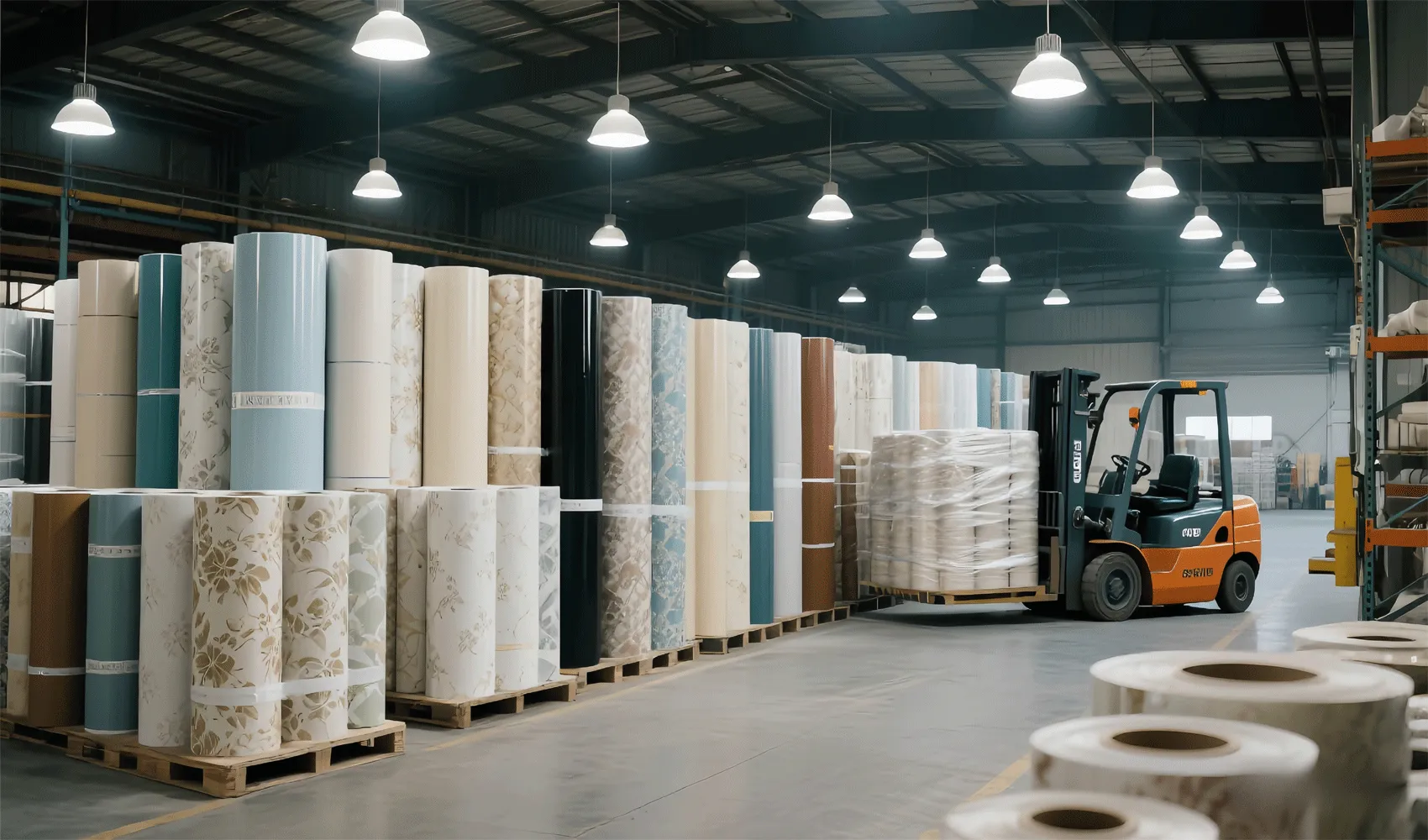
Pulivk (Henan Pulivk New Materials Co., Ltd.) focuses on full in-house production for film and protective materials—offering reliable quality control, flexible OEM options, and stable lead times. Learn more at https://pvcfilmtec.com/.