Address
304 North Cardinal St.
Dorchester Center, MA 02124
Work Hours
Monday to Friday: 7AM - 7PM
Weekend: 10AM - 5PM
Address
304 North Cardinal St.
Dorchester Center, MA 02124
Work Hours
Monday to Friday: 7AM - 7PM
Weekend: 10AM - 5PM


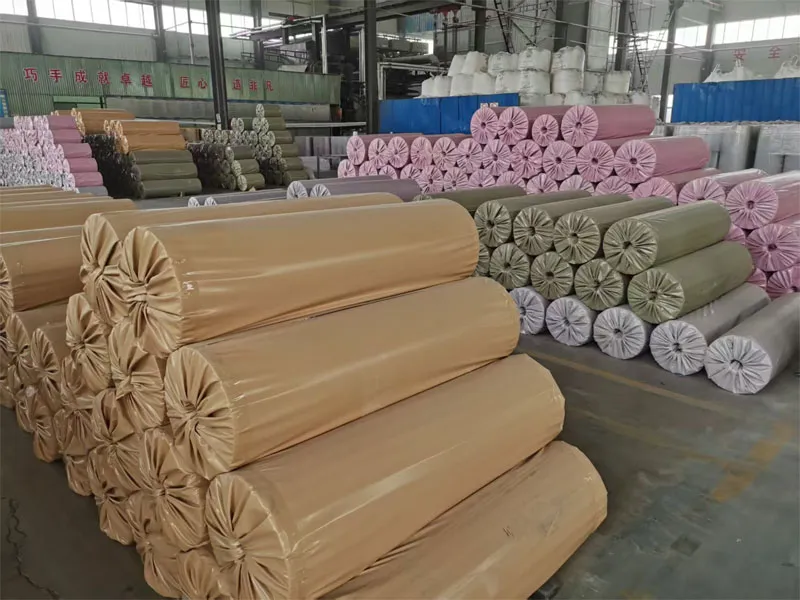
PVC film production involves multiple cost centers — from raw PVC resin and additives to calendering, printing, packaging and logistics. Understanding the detailed cost breakdown helps manufacturers, buyers and private-label brands make smarter sourcing and pricing decisions. This guide breaks down typical manufacturing expenses, provides sample numbers, and highlights practical ways to reduce cost without sacrificing quality.
The PVC film manufacturing chain typically includes raw material procurement, compounding, calendering or extrusion, surface treatment and printing, lamination/coating (if required), split-packaging and final QC. Each step adds direct costs (materials, energy, labor) and indirect costs (depreciation, overhead, waste).
Raw Materials — PVC resin, plasticizers, stabilizers, pigments and functional additives are the largest single expense. Quality and sourcing (local vs. imported) greatly affect unit costs.
Compounding & Processing — Mixing, heating, and blending the compound before calendering. Compounding efficiency impacts throughput and material utilization.
Calendering / Film Forming — Energy-intensive machinery operation and maintenance. Calender quality influences film thickness control and yield.
Printing & Surface Treatment — Gravure/rotogravure or flexo printing, coatings, lacquers and UV treatments add cost based on the number of colors and complexity.
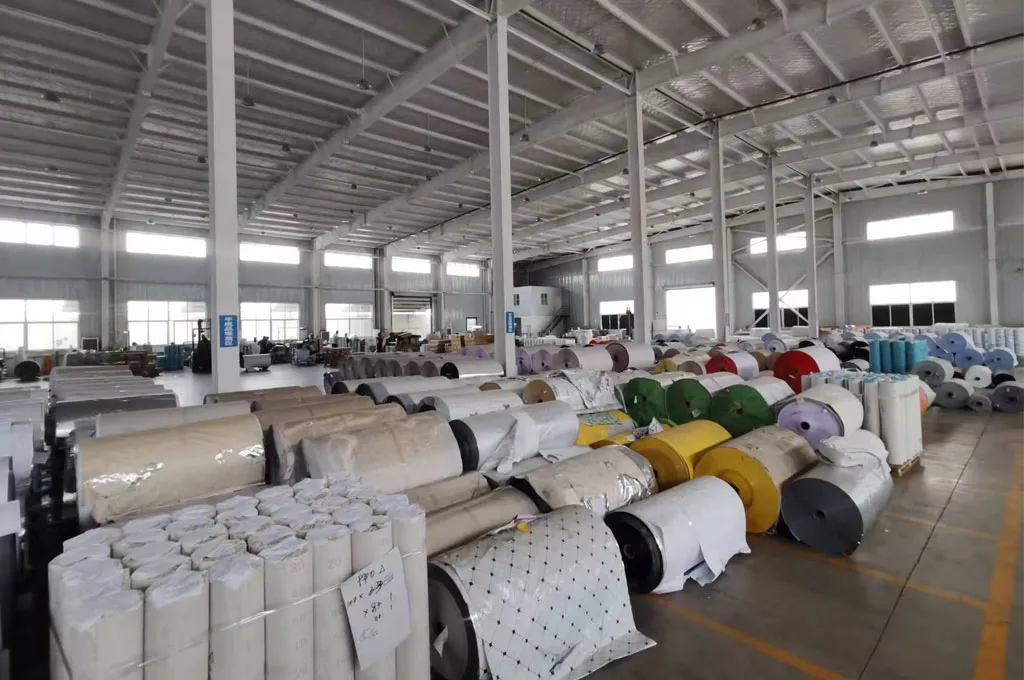
Packaging & Split-Packaging — Individual roll wrapping, labeling and carton/pallet materials as well as labor for cut-to-length services.
Quality Control & Waste — QC staff, testing equipment, and scrap/rework rates — higher standards increase assurance but add expense.
Labor, Energy & Overhead — Factory wages, electricity for heating/rollers/dryers, maintenance, plant depreciation and administrative overhead.
| Cost Component | Typical % of Total | Estimated USD per tonne |
|---|---|---|
| Raw PVC resin & major additives | 60% – 70% | $600 – $900 |
| Pigments, stabilizers & specialty additives | 5% – 10% | $50 – $150 |
| Printing, coating & surface finishing | 5% – 10% | $80 – $200 |
| Energy (electricity, steam) | 5% – 8% | $60 – $120 |
| Labor & direct manufacturing staff | 3% – 8% | $40 – $120 |
| Packaging & split-packaging | 2% – 4% | $20 – $60 |
| QC, waste & logistics | 2% – 6% | $30 – $100 |
| Overhead & equipment amortization | 3% – 7% | $50 – $150 |
For a midweight decorative PVC film roll (20 kg): if total production cost per tonne is $1,000, cost per roll = (20 kg / 1000 kg) * $1,000 = $20. Add printing, packaging and margin to compute wholesale price — typically manufacturers add 10–30% markup depending on customization and order size.
• Regional raw material supply and local resin prices (volatility in petrochemical markets can shift costs quickly).
• Production scale — larger runs dilute fixed overhead and lower per-unit depreciation.
• Number of print colors and special coatings — high-end finishes (UV, anti-scratch, pearlescent) can double finishing costs.
• Energy costs in the country of manufacture and efficiency of calendering lines.
• Quality control targets and scrap rates — tighter tolerances raise testing and rework costs but reduce customer returns.
• Negotiate long-term resin contracts or buy in bulk to stabilize raw material pricing.
• Optimize formulations: balance plasticizer and stabilizer levels to achieve performance with minimal cost.
• Improve yield: use precise calendering controls and preventive maintenance to reduce scrap.
• Consolidate print jobs by color family or roll size to minimize setup and waste.
• Offer split-packaging automation and efficient packing layouts to reduce labor per roll.
• Source packaging materials locally and standardize roll sizes to simplify logistics.
Typical lead times vary with order complexity: standard plain film can ship within 2–4 weeks for large orders; printed or customized films usually require 4–8+ weeks for tooling, color proofs and production scheduling. Minimum order quantities (MOQs) often depend on roll length and printing setup; expect MOQs for custom printed films to be higher due to plate setup costs.
Brands and OEMs often choose PVC film for furniture doors, skirting, cabinetry, and floor stickers due to its low cost and wide design flexibility. Investment in slightly higher-grade film or better printing can increase perceived value, allowing end sellers to command higher retail prices and improve ROI despite a modest increase in manufacturing cost.
When comparing quotes, request a transparent cost breakdown: resin grade, additives, print colors, lamination/coating, split-packaging detail and CIF or FOB shipping terms. A detailed quote helps identify saving opportunities such as switching pigment suppliers, reducing print colors, or adjusting roll dimensions.
Pulivk — Henan Pulivk New Materials Co., Ltd. (https://pvcfilmtec.com/) operates full in-house calendering, printing and split-packaging lines to control quality, reduce lead times and offer flexible OEM services.