Address
304 North Cardinal St.
Dorchester Center, MA 02124
Work Hours
Monday to Friday: 7AM - 7PM
Weekend: 10AM - 5PM
Address
304 North Cardinal St.
Dorchester Center, MA 02124
Work Hours
Monday to Friday: 7AM - 7PM
Weekend: 10AM - 5PM


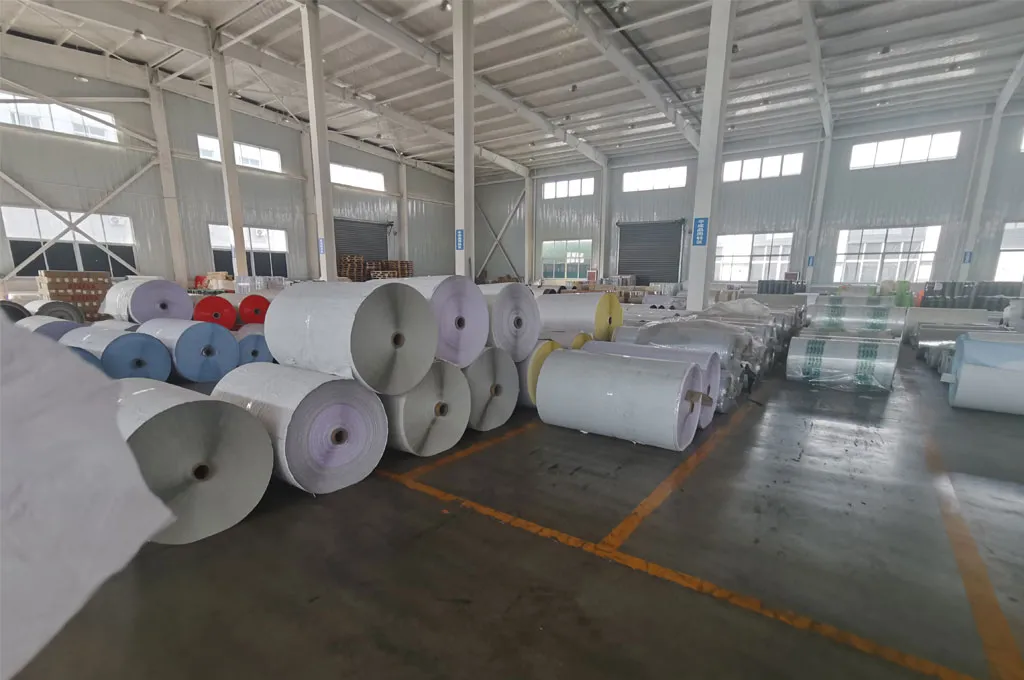
PVC film is offered in a range of quality grades that affect durability, finish, printability, and cost. Whether you’re a furniture manufacturer, packaging buyer, or renovator, understanding grade differences helps you select the right film for appearance and long-term performance.
Grades are typically defined by raw material composition, manufacturing control, surface treatment and tolerance on thickness. Common commercial classifications include premium (A), standard (B), economy (C), and industrial/protective grades. Each grade prioritizes specific attributes such as gloss, elasticity, heat resistance, or abrasion resistance.
Premium (A) – best surface finish, tight thickness tolerance, excellent print and scratch resistance. Ideal for high-end furniture and visible decorative surfaces.
Standard (B) – good balance of cost and performance for cabinetry, doors and medium-grade furniture.
Economy (C) – lower cost, suitable for temporary coverings, short-life packaging or less visible areas.
Industrial/Protective – engineered for protection during transport, high abrasion or chemical exposure; may be thicker or treated for anti-static/anti-bacterial properties.
When evaluating samples or stock, run these quick checks to identify likely grade:
– Visual finish: hold under bright light to inspect gloss consistency and surface defects.
– Flex test: bend a small strip to feel elasticity and check for micro-cracks.
– Thickness spot-check: use a micrometer—grade tolerance will be tighter for premium films.
– Print and adhesion test: apply a small printed label or ink; premium films accept printing and laminates better.
– Scratch/abrasion: rub with a fingernail or soft cloth to see if the surface resists marring.
1. Inspect roll edges for even winding and edge tears.
2. Check label for thickness, composition (PVC + additives) and batch code.
3. Verify adhesion layer if self-adhesive—do a peel test on scrap.
4. Smell test: strong solvent odor may indicate poor plasticizer quality or contamination.
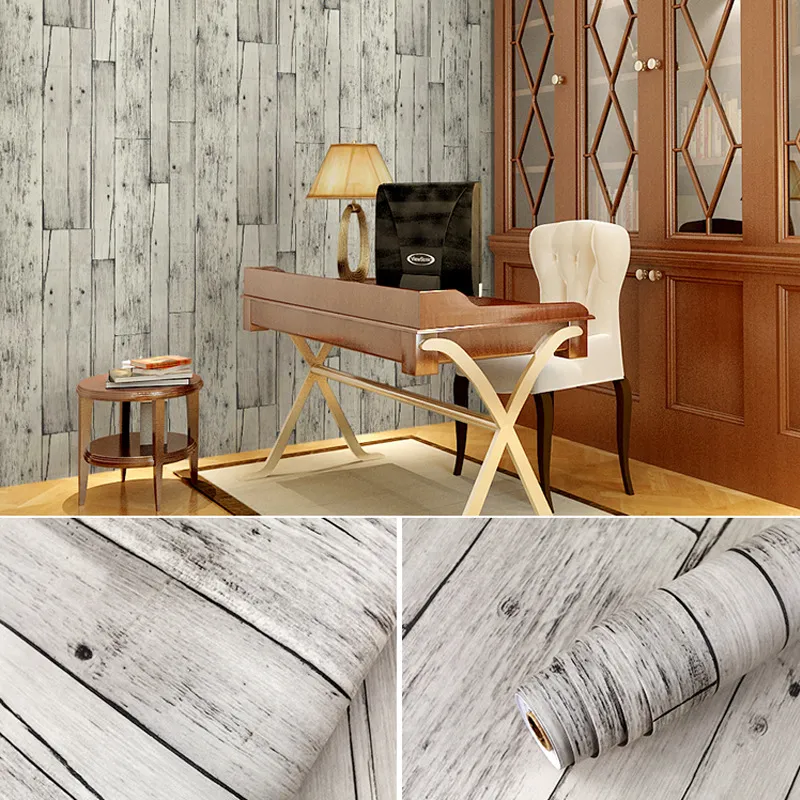
Match grade to product life expectancy, aesthetics and environment. Use premium A-grade for high-traffic furniture surfaces, laminate overlays, and retail-facing applications. Choose B-grade for durable cabinetry and general-purpose decor. Reserve C-grade for cost-sensitive projects or temporary protection where appearance is less critical. For logistics, export or industrial use, select protective/industrial films with thicker gauge and specific additives (anti-static, antibacterial, or oil-proof).
| Grade | Typical Thickness (μm) | Key Features | Applications | Relative Cost |
|---|---|---|---|---|
| Premium (A) | 80–200 | High gloss/matte options, tight tolerance, scratch/UV resistance | High-end furniture, doors, display panels | High |
| Standard (B) | 50–150 | Balanced performance, good printability | Cabinetry, wardrobes, consumer goods | Medium |
| Economy (C) | 30–100 | Lower finish quality, variable tolerance | Temporary covers, budget projects | Low |
| Industrial/Protective | 80–300+ | Additives for protection, thicker gauge | Transport protection, anti-static surfaces | Variable |
– Request physical samples before bulk ordering and test for adhesion, printability and scratch resistance.
– Ask for batch certificates and thickness tolerance reports.
– Confirm packaging and split-roll options if you need smaller quantities.
– For custom colors/prints, request color-matching swatches and trial runs to avoid expensive rework.
Store PVC films flat or on stable cores in a cool, dry place away from direct sunlight. Avoid prolonged contact with solvent-based materials. For installed surfaces, use non-abrasive cleaners and soft cloths; test cleaners in an inconspicuous area first to prevent plasticizer migration or finish dulling.
Pulivk offers full in-house production—calendering, printing and split-packaging—so quality control and lead times are tightly managed, which helps ensure consistent grades and reliable delivery for global buyers.
– Define application and expected service life.
– Test samples for finish, thickness and adhesion.
– Check OEM/custom capabilities for color and printing.
– Confirm packaging, lead time and QC documentation before placing a bulk order.
Choosing the right PVC film grade depends on balancing appearance, durability and budget. Use the checks above to identify grades quickly and buy with confidence.