Address
304 North Cardinal St.
Dorchester Center, MA 02124
Work Hours
Monday to Friday: 7AM - 7PM
Weekend: 10AM - 5PM
Address
304 North Cardinal St.
Dorchester Center, MA 02124
Work Hours
Monday to Friday: 7AM - 7PM
Weekend: 10AM - 5PM


Reducing odor in PVC film improves product quality, speeds acceptance in finished goods, and reduces customer complaints. This guide outlines practical low-emission strategies across raw materials, processing, testing, and packaging so manufacturers and buyers can achieve consistently low-odor PVC film.
Odor from PVC film is mainly caused by volatile organic compounds (VOCs), residual monomers, plasticizers, and low-molecular weight additives released after production. Strong odors can trigger rejection from interior finishers, lead to poor perceived quality among consumers, and in some cases contribute to indoor air complaints. Controlling odor is essential for applications such as furniture wraps, flooring protection, kitchen films, and medical surface films.
Typical sources include residual solvents, unstable plasticizers, poorly stabilized PVC resin, thermal decomposition products from overheating, and contamination during compounding. Even packaging (dust-proof PE or kraft paper) can trap odors if films are not properly degassed before roll-up.
Residues (monomers, solvents) · Plasticizers (low-grade phthalates) · Thermal byproducts (over-temperature processing) · Contaminants (mixing or recycled content)
Start with low-VOC PVC resins and high-purity additives. Choose plasticizers and stabilizers specified for low-odor performance. Avoid recycled inputs that are not certified for odor and emission levels. Consider bio-based or polymeric plasticizers designed for reduced volatility.
Use polymeric plasticizers, high-stability heat stabilizers, and low-volatile processing aids. Request material safety data sheets and supplier emission data before approval.
Production control is critical. Key measures include:
• Precise temperature control during compounding and calendering to avoid overheating and degradation.
• Extended vacuum degassing steps on extruders to remove residual volatiles.
• Optimized residence time to minimize formation of thermal byproducts.
• Inline filtration and contamination control to prevent odor-causing impurities.
Calendering lines and printing operations must be tuned to minimize solvent-based inks and drying temperatures that can cause re-emission. Use water-based or low-VOC inks where possible.
After film formation, implement these steps to reduce residual odor:
• Annealing or conditioning rolls at moderate temperatures to accelerate off-gassing before packing.
• Forced ventilation or blow-off tunnels to remove trapped fumes from roll surfaces.
• Low-temperature vacuum treatment for sensitive finishes.
• Surface washing or mild solvent wipe for specific contamination cases (use approved solvents and test compatibility).
Proper split-packaging and individual wrapping reduce odor transfer between rolls. Use breathable short-term storage in ventilated areas before sealed packing. If immediate sealing is required, ensure films meet emission targets before wrapping.
Establish a QC protocol that measures TVOC, formaldehyde (where relevant), and a standardized odor rating. Regular sampling from production batches, plus pre-shipment checks, prevent surprises at customer inspection.
| Parameter | Typical High-Emission Values | Low-Emission Target |
|---|---|---|
| TVOC (mg/m³) | 2.0 – 5.0 | < 0.5 |
| Formaldehyde (mg/m³) | 0.01 – 0.05 | < 0.01 |
| Odor Rating (0–5) | 3 – 4 | 0 – 1 |
Implement sampling across production shifts, use accredited VOC testing labs for confirmation, and keep a trending log to spot deviations early. Use simple sensory checks as a first line, followed by instrumental analysis for borderline batches.
When sourcing PVC film, request emission certificates, ask for production controls documentation (e.g., degassing, calendering temperatures), and require sample testing under your expected use conditions. For interior applications, request pre-conditioned rolls to minimize on-site odor issues.
• Obtain TVOC and odor rating reports.
• Confirm plasticizer and stabilizer types (polymeric or low-volatility recommended).
• Check packaging methods and storage conditioning.
• Require pre-shipment odor acceptance sampling.
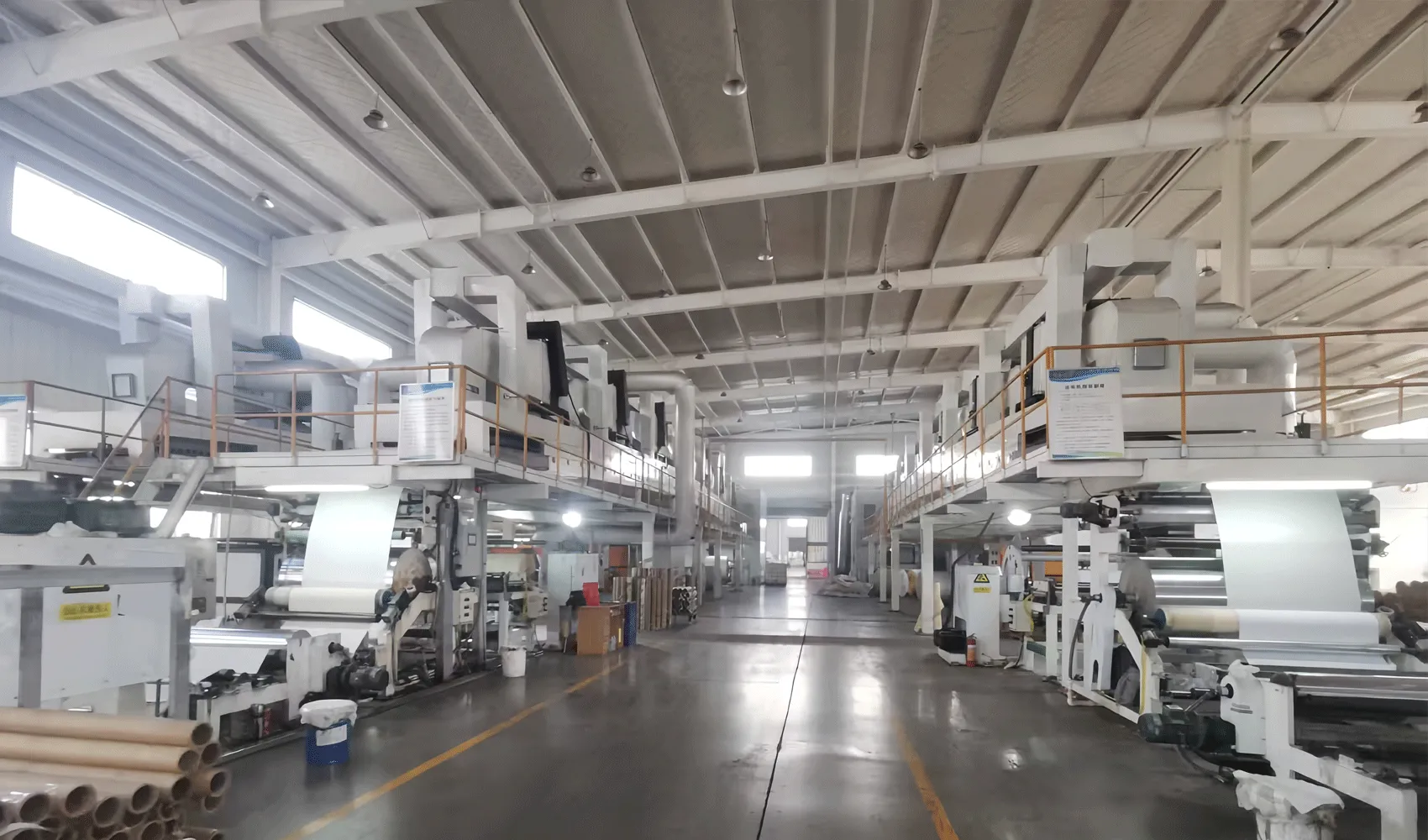
Pulivk applies full in-house production—calendering, printing, and split-packaging—enabling strict control over compounding, degassing, and roll conditioning to deliver consistently low-odor film for furniture and floor protection markets.
Consistency is achieved by integrating material selection, tight process controls, validated post-treatment, and robust QC. Prioritize polymeric plasticizers, vacuum degassing, and pre-shipment emission testing to meet demanding low-odor specifications.