Address
304 North Cardinal St.
Dorchester Center, MA 02124
Work Hours
Monday to Friday: 7AM - 7PM
Weekend: 10AM - 5PM
Address
304 North Cardinal St.
Dorchester Center, MA 02124
Work Hours
Monday to Friday: 7AM - 7PM
Weekend: 10AM - 5PM


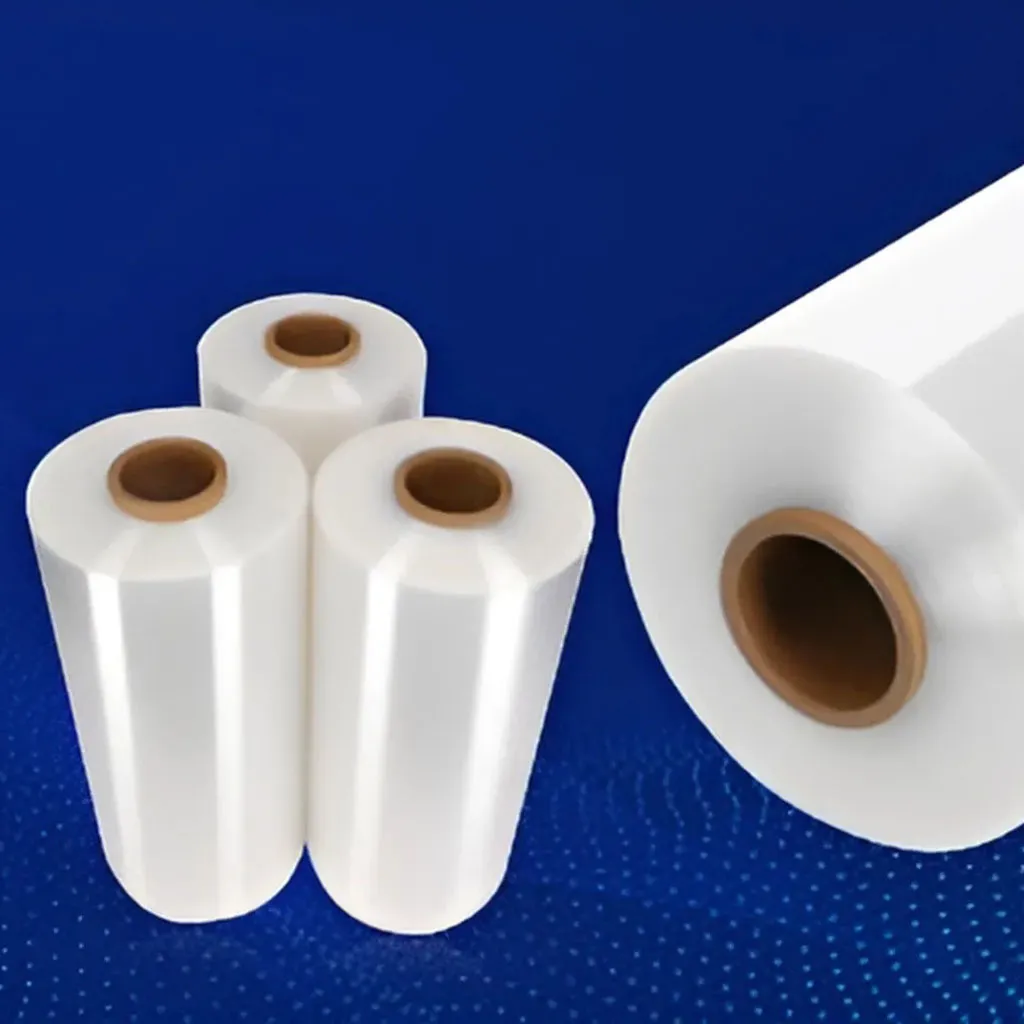
Food packaging films play a critical role in preserving freshness, extending shelf life, and protecting products during transport. This guide explains the most common flexible packaging materials, their benefits, and how to choose the right film for different food applications.
PE films are widely used for primary and secondary food packaging. They offer good moisture resistance, flexibility, and low cost. PE is ideal for bread bags, produce bags, and freezer-grade films. For better performance, PE is often co-extruded or laminated with barrier layers.
CPP films provide excellent clarity, heat-sealability, and toughness. They are commonly used as a sealing layer in laminated structures and for snack food pouches where display clarity and a strong seal are required.
BOPP has high stiffness, good printability, and moisture barrier properties. It is a staple for snack, confectionery, and labels. Metallized BOPP provides additional light and oxygen barrier for sensitive products.
PVDC and EVOH are added as thin barrier layers for oxygen-sensitive foods (coffee, meat, dairy). They significantly improve shelf life when combined with sealant and structural films.
Nylon (PA) adds puncture resistance and strength for sharp or heavy products. Aluminum foil and metalized films deliver excellent light, oxygen, and moisture barriers and are common in retort, coffee, and vacuum applications.
S hrink films (PVC, PETG, or polyolefin) cling tightly to products after heat treatment, improving product presentation. Vacuum skin films create a protective skin-tight package ideal for meat and seafood, reducing drip and improving shelf appeal.
Biobased films such as PLA or PBAT blends offer reduced fossil carbon footprint and are suited for dry food packaging and single-use applications where compostability is desired. Performance and disposal infrastructure should be considered.
Fresh produce: breathable PE or microporous films to balance humidity. Ready meals: high-barrier laminates with heat-sealability and oven/retort compatibility. Snacks & confectionery: BOPP or metalized laminates for printability and moisture protection.
When choosing a food packaging film consider barrier (O2, H2O vapor), heat-seal strength, puncture resistance, thermoforming capability, printability, and recyclability or compostability.
| Film Type | Key Features | Common Uses |
|---|---|---|
| PE (LDPE/HDPE/LLDPE) | Flexible, moisture barrier, cost-effective | Bread, produce, overwraps |
| CPP | Heat-sealability, clarity, toughness | Sealing layer, snack pouches |
| BOPP / Metallized BOPP | Printable, gloss/matte options, moisture barrier | Snack packs, labels |
| PA / Nylon | Puncture resistance, strength | Meat, cheese, frozen foods |
| Aluminum foil / Foil laminates | Excellent barrier to light, oxygen | Coffee, retort, high-barrier needs |
| PLA / Compostable blends | Compostable (industrial/home varies) | Dry goods, single-use eco packaging |
Food-contact films must meet local food safety regulations (FDA, EU food contact, or regional standards). Choosing recyclable mono-material structures simplifies end-of-life processing, while certified compostable films require proper industrial/home compost infrastructure.
Work with suppliers to optimize film thickness, barrier layers, and sealant compatibility with your filling/sealing equipment. For export and long supply chains, prioritize oxygen and moisture barriers. For retail-ready packaging, focus on printability and shelf appearance.
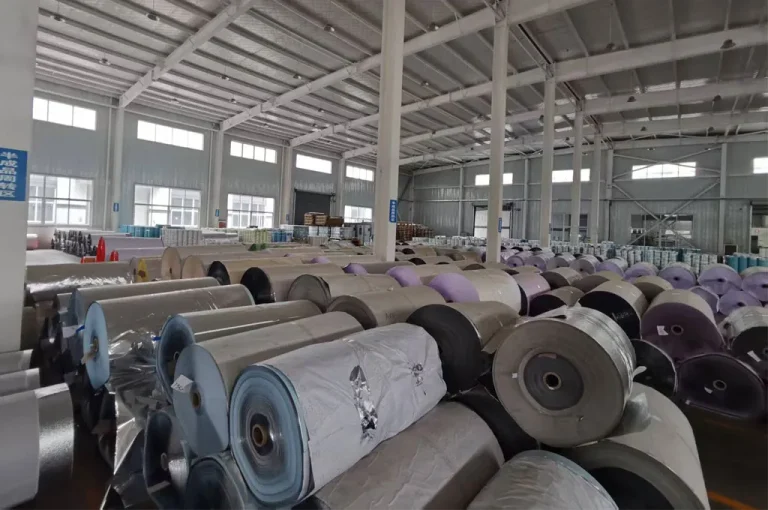
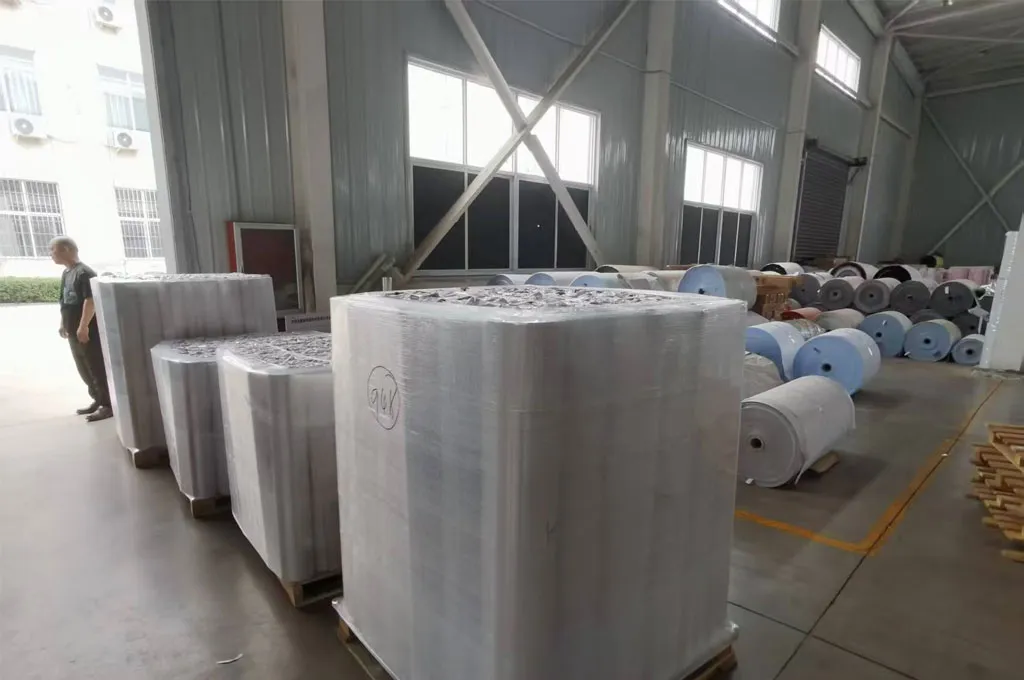
Full in-house production—from calendering to printing and split-packaging—helps ensure consistent quality, faster lead times, and cost control. Pulivk (Henan Pulivk New Materials Co., Ltd.) offers integrated manufacturing capabilities that support OEM customization and stable delivery.
Confirm required barrier levels, desired roll widths, print/color specs, sealing temperature ranges, and any certification requirements before placing a custom order.
Select films based on product sensitivity, processing method (vacuum, MAP, retort, shrink), display needs, and sustainability goals. Engage technical support early to validate samples and ensure compatibility with your packing line.