Address
304 North Cardinal St.
Dorchester Center, MA 02124
Work Hours
Monday to Friday: 7AM - 7PM
Weekend: 10AM - 5PM
Address
304 North Cardinal St.
Dorchester Center, MA 02124
Work Hours
Monday to Friday: 7AM - 7PM
Weekend: 10AM - 5PM


Choosing between transparent and translucent film matters for everything from product packaging and window graphics to privacy screens and decorative finishes. This guide explains the key differences, typical uses, and practical tips to help you pick the right film for your project.
Transparent film transmits light with minimal scattering so objects behind it remain clearly visible. It’s commonly used where clarity and true-color visibility are essential. Translucent film diffuses light: it lets light pass but scatters it, producing a soft glow while obscuring details behind the surface.
Light transmission: Transparent films have higher visible light transmission (VLT); translucent films lower VLT but increase diffusion. Privacy: Translucent finishes improve privacy and reduce glare. Color fidelity: Transparent films preserve true colors for printed graphics.
| Property | Transparent Film | Translucent Film |
|---|---|---|
| Light Transmission | High — clear view | Medium — diffused light |
| Privacy | Low | High |
| Printing quality | Excellent — vibrant graphics | Good — softer look |
| Glare control | Low | Good |
| Typical applications | Clear packaging, protective overlays, window graphics | Light diffusers, privacy films, frosted décor |
Both film types can be produced with glossy, matte, anti-scratch, UV-resistant, or antistatic coatings. Thickness and lamination determine durability: choose heavier gauges or protective coatings for high-wear surfaces and outdoor use.
– Retail packaging where product visibility drives sales.
– Clear protective overlays on screens, labels, and finished surfaces.
– Window graphics that require full-color printing and transparency for backlit displays.
– Frosted privacy films for office partitions, bathrooms, and storefronts.
– Light diffusion panels and signage where even illumination is required.
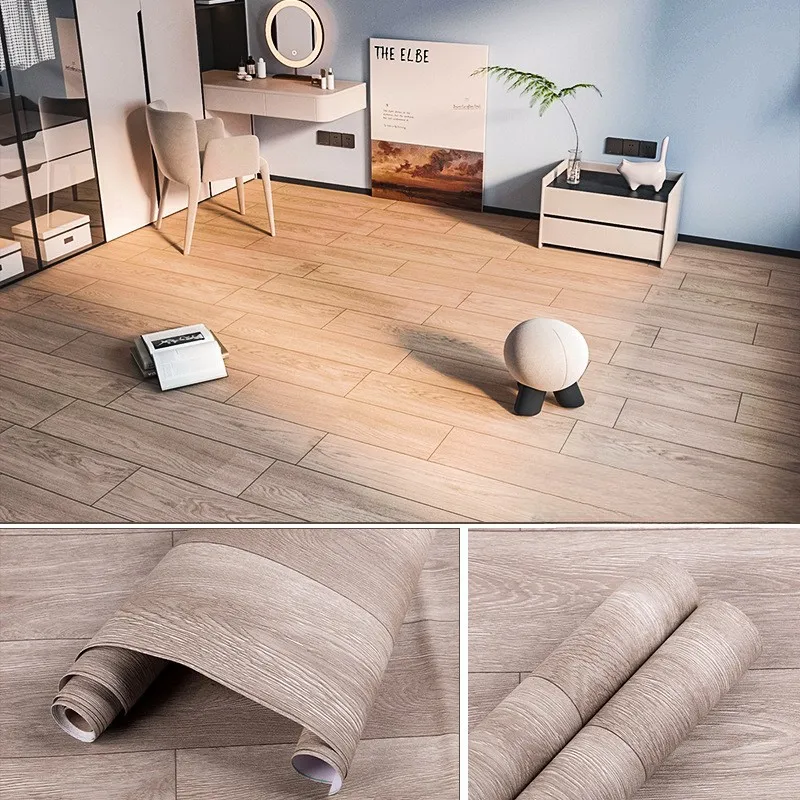
– Decorative finishes on furniture or interior walls to create a soft, modern look.
Decide whether visibility or privacy is the priority. For product visibility or protective clarity, choose transparent. For privacy, uniform lighting, or anti-glare, pick translucent.
If high-resolution, bright-color printing is needed, transparent film will retain color vibrancy better, especially for backlit graphics.
Outdoor or high-traffic areas demand UV resistance, thicker gauges, and abrasion coatings. Indoor decorative uses allow for thinner, easier-to-install films.
Transparent films are often more common and available in many finishes; specialized translucent textures or coatings can raise cost and require longer lead times for custom colors or prints.
– Clean surfaces thoroughly before applying film to avoid bubbles and adhesion failure.
– For large installations, use a professional installer or heat-assisted techniques to conform to curves.
– Wipe with a soft, non-abrasive cloth and mild detergent; avoid solvent cleaners that can damage coatings.
If bubbles appear after application, use a pin to release trapped air and re-squeegee; if edges lift, apply heat or use appropriate adhesive primer.
When sourcing film, look for manufacturers that offer full in-house production, consistent QC checks, and flexible OEM/customization options. A supplier that controls calendering, printing, and split-packaging can ensure stable quality and predictable lead times.
Working with a vertically integrated manufacturer reduces variability in color, finish, and delivery—critical for large runs or private-label products.
For tailored recommendations, sample comparisons, or custom printing options, reach out to Pulivk via the website to request samples and technical sheets. Testing a small sample in the intended environment is the best way to confirm light transmission, color, and durability before committing to a full production run.