Address
304 North Cardinal St.
Dorchester Center, MA 02124
Work Hours
Monday to Friday: 7AM - 7PM
Weekend: 10AM - 5PM
Address
304 North Cardinal St.
Dorchester Center, MA 02124
Work Hours
Monday to Friday: 7AM - 7PM
Weekend: 10AM - 5PM


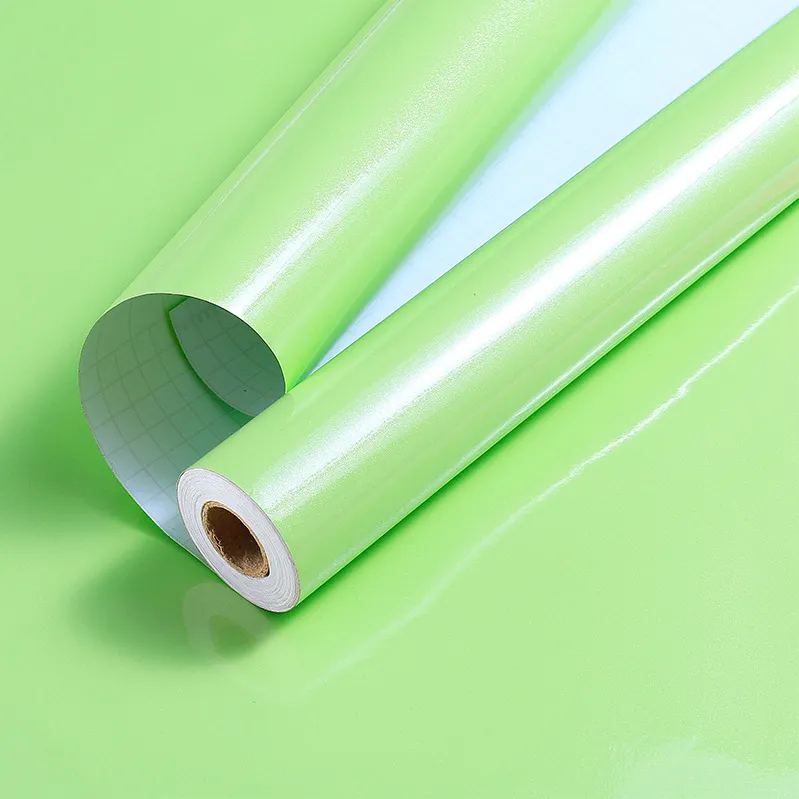
High-gloss PVC film delivers a premium finish for furniture, cabinetry, and decorative surfaces — but achieving durable adhesion and a flawless mirror-like sheen requires the right surface treatment process. This guide covers practical steps, common tests, and manufacturing tips to optimize adhesion, reduce defects, and ensure consistent high-gloss results.
High-gloss PVC film is sensitive to contamination, low surface energy, and uneven substrates. Proper surface treatment improves wetting for adhesives, prevents delamination, and enhances long-term scratch and chemical resistance. For manufacturers targeting premium furniture and interior décor, a controlled treatment process reduces rework and warranty claims.
Start with a visual inspection under good lighting. Use solvent wiping (isopropyl alcohol or manufacturer-recommended degreasers) and lint-free wipes to remove fingerprints and processing oils. For high-volume lines, incorporate automated washing, air-knives, and filtered compressed air blow-off stations.
A two-step cleaning — solvent wipe followed by warm water rinse (if compatible) or dry-air blow-off — produces the most reliable adhesion surface.
Common activation approaches increase surface energy and microscopic roughness to improve bonding:
Corona is excellent for sheet and roll treatments. It modifies the outer polymer layer to improve wettability. Typical settings depend on line speed and film thickness; run regular surface energy tests to monitor effectiveness.
Flame offers rapid activation for continuous processes but requires strict safety and exhaust controls. Flame-treated PVC should be coated or laminated quickly to avoid contamination.
For challenging substrates or long-term outdoor applications, apply a suitable primer or silane-based adhesion promoter. Choose a primer compatible with both the PVC film and your adhesive or lacquer system.
Select primers and adhesives designed for low-energy plastics. Water-based lacquers can provide excellent optical clarity on high-gloss films; solvent-based systems often give faster cure but require ventilation and compliance with local VOC regulations.
Use tested adhesive systems for PVC film-to-panel laminations. Pressure-sensitive adhesives (PSA) require specially tuned primer or corona levels for consistent tack and shear strength.
Calendering and controlled heat application can enhance gloss by smoothing surface irregularities. Ensure temperature uniformity to avoid film distortion. Cooling stations and roller tension control preserve flatness after thermal cycles.
Implement routine checks to catch issues early. Combine visual inspection with standardized adhesion testing to verify process stability.
| Test | Purpose | Acceptance (typical) |
|---|---|---|
| Tape pull (ASTM D3359) | Immediate adhesion check | Rating 4–5B for high-gloss laminates |
| Cross-hatch & peel | Evaluate cohesive vs. adhesive failure | No adhesive residue on film surface |
| Surface energy measurement | Quantify treatment effectiveness | >38 mN/m recommended for coatings |
Consistency depends on process control and traceability. Maintain records of line settings, corona/flame power, primer batch numbers, and ambient conditions. Implement quick sample testing after any material or supplier change.
During scale-up, run pilot lots with full adhesion and weathering tests. Train operators on contamination control — even small amounts of silicone or oil can cause visible finish defects on high-gloss films.
Choose low-VOC coatings and maintain solvent recovery where possible. Ensure workplace ventilation and proper handling of primers and solvents to comply with local environmental and safety regulations.
| Step | Typical parameter | Notes |
|---|---|---|
| Cleaning | IPA wipe or automated wash | Use lint-free wipes |
| Corona dose | Adjust to achieve >38 mN/m | Measure daily |
| Calender temp | Depends on film; avoid melt | Monitor flatness |
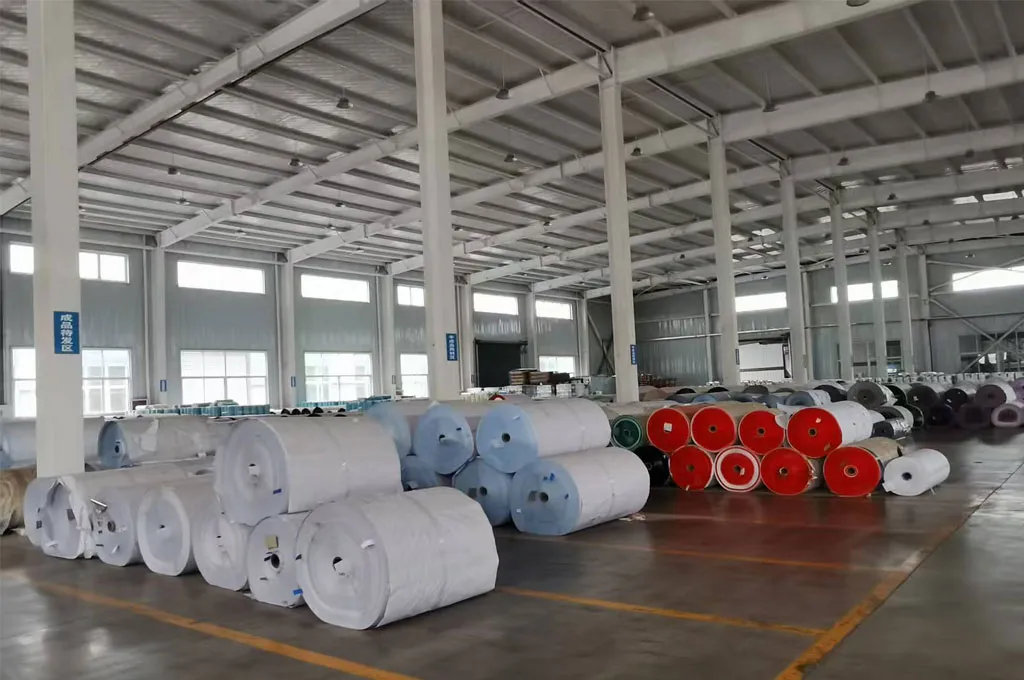
For OEM orders, custom formulations, and reliable lead times supported by full in-house production, consider partnering with Pulivk — a manufacturer with integrated calendering, printing, and split-packaging capabilities to ensure consistent quality from raw materials to finished rolls.