Address
304 North Cardinal St.
Dorchester Center, MA 02124
Work Hours
Monday to Friday: 7AM - 7PM
Weekend: 10AM - 5PM
Address
304 North Cardinal St.
Dorchester Center, MA 02124
Work Hours
Monday to Friday: 7AM - 7PM
Weekend: 10AM - 5PM


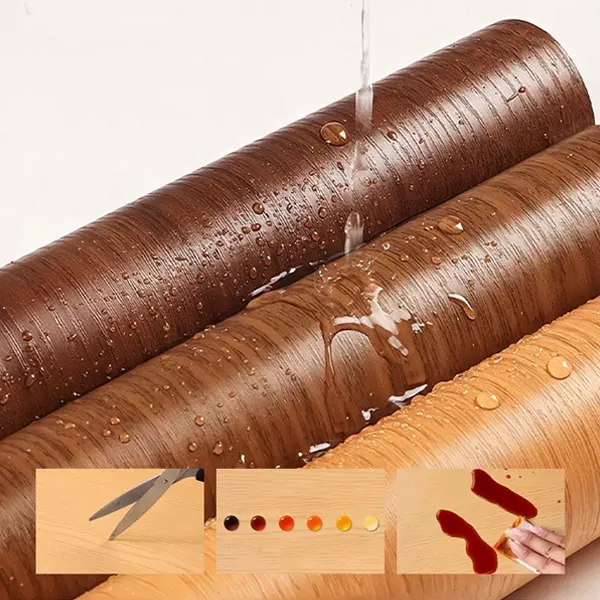
PVC film is a versatile, cost-effective surface cover used on furniture, cabinets, floors, and signage. Regular cleaning keeps the film looking new, prevents staining, and extends its lifespan. Below are easy, effective, and safe methods to clean different types of PVC film without damaging the finish.
Cleaner appearance: Dust, fingerprints, and cooking oil dull the surface and attract more grime. Regular wiping preserves gloss and texture.
Prevent staining: Certain spills (grease, ink, permanent markers) can become harder to remove over time. Prompt care reduces long-term damage.
Maintain protective properties: Many PVC films include anti-scratch or oil-proof layers; gentle cleaning protects these functional coatings.
Soft microfiber cloths: Use lint-free microfiber to avoid scratching glossy or textured PVC film.
Warm water: The safest base for most cleaning solutions—effective for everyday dust and light dirt.
Mild detergent or dish soap: A few drops in water lift grease without harsh chemicals.
Isopropyl alcohol (70%) or rubbing alcohol: Useful for sticky residue or light adhesive—but test in an inconspicuous area first.
White vinegar (diluted): A mild, natural degreaser when mixed with water (1 part vinegar : 3 parts water) for stubborn kitchen oil.
Soft sponge or soft-bristle brush: For textured films where dirt sits in grooves—use gently.
Start with a dry microfiber cloth to remove loose dust and grit. This prevents abrasion when you apply liquids.
Mix a few drops of mild dish soap in warm water. Dampen the microfiber cloth (not soaking) and wipe in long, even strokes. Finish with a dry cloth to avoid streaks.
Use the diluted white vinegar solution or the soap solution. For heavy grease, let the damp cloth sit on the spot for 20–30 seconds to lift the oil, then wipe gently. Rinse with a cloth dampened with plain water and dry.
Apply a small amount of isopropyl alcohol to a cloth and rub gently. Test first on a hidden edge to ensure the finish is not affected. Avoid stronger solvents (acetone, paint thinner) that can soften or dissolve PVC.
Use a soft-bristle brush or a toothbrush dipped in the soap solution to reach grooves. Work lightly to avoid lifting the film edges. Wipe away moisture promptly with a dry cloth.
| Film Type | Recommended Cleaner | Notes |
|---|---|---|
| Glossy PVC film | Mild soap solution; microfiber cloth | Avoid abrasive pads to keep shine. |
| Matte or frosted film | Diluted vinegar or mild soap | Pat dry to prevent streaks on matte surfaces. |
| Textured/embossed film | Soft brush + soap solution | Work along texture; dry thoroughly. |
| Self-adhesive film | Isopropyl alcohol (spot test) | Avoid aggressive solvents that weaken glue. |
Abrasion: Never use steel wool, heavy scouring pads, or gritty cleaners—these scratch PVC surfaces irreparably.
Harsh solvents: Acetone, paint thinner, and strong degreasers can melt or discolor PVC film. Use isopropyl alcohol sparingly and only after testing.
Excessive water: Do not flood seams or edges of self-adhesive films; water can seep under the film and weaken adhesion.
Wipe spills quickly, dust weekly, and deep-clean with mild soap monthly in high-traffic areas. For kitchen film, maintain a light cleaning schedule after heavy cooking days to prevent oil buildup.
If you supply or install PVC film commercially, consider sourcing from trusted manufacturers to ensure durable finishes and easier maintenance. Pulivk provides a wide range of PVC films designed for easy care and consistent quality.
Q: Can I use glass cleaner on glossy PVC film? A: Light, ammonia-free glass cleaners are usually safe, but test first. Avoid ammonia-based products on colored or matte films.
Q: How do I remove permanent marker? A: Try a small amount of isopropyl alcohol; if that fails, specialized plastic-safe stain removers may help—always test first.
Use gentle methods and simple household cleaners to keep PVC film clean and attractive. Regular care prevents damage and preserves the decorative finish for years.