Address
304 North Cardinal St.
Dorchester Center, MA 02124
Work Hours
Monday to Friday: 7AM - 7PM
Weekend: 10AM - 5PM
Address
304 North Cardinal St.
Dorchester Center, MA 02124
Work Hours
Monday to Friday: 7AM - 7PM
Weekend: 10AM - 5PM


The choice between EVA film and PE film matters for manufacturers, packaging engineers, and DIY decorators. This guide explains the core differences, typical uses, environmental considerations, and a practical decision flow to help you pick the right film for your project or product line.
| Feature | EVA Film | PE Film |
|---|---|---|
| Base polymer | Ethylene-vinyl acetate copolymer | Polyethylene (LDPE, HDPE, LLDPE) |
| Flexibility & tack | Softer, tacky, good adhesion | Less tacky, can be very flexible (LDPE) |
| Transparency & printability | High clarity and excellent printing surface | Good clarity for many grades; printable with treatment |
| Temperature range | Better low-temperature flexibility | Varies by grade; HDPE stiffer, LDPE softer |
| Common uses | Adhesive layers, laminates, solar backsheet, decorative films | Packaging, protective covers, anti-static, pallet wrap |
EVA is a copolymer with vinyl acetate groups that increase flexibility and tack; it is often calendered or extruded and used where some adhesion or softness is required. PE films include LDPE, LLDPE, and HDPE—manufactured by blown or cast film processes—and are prized for cost efficiency and barrier/performance balance.
EVA offers excellent clarity, higher elasticity, and often a softer finish—making it suitable for decorative laminates and adhesive overlays. PE films are versatile: LDPE gives good flexibility and puncture resistance, LLDPE improves stretch and strength, and HDPE supplies stiffness and chemical resistance.
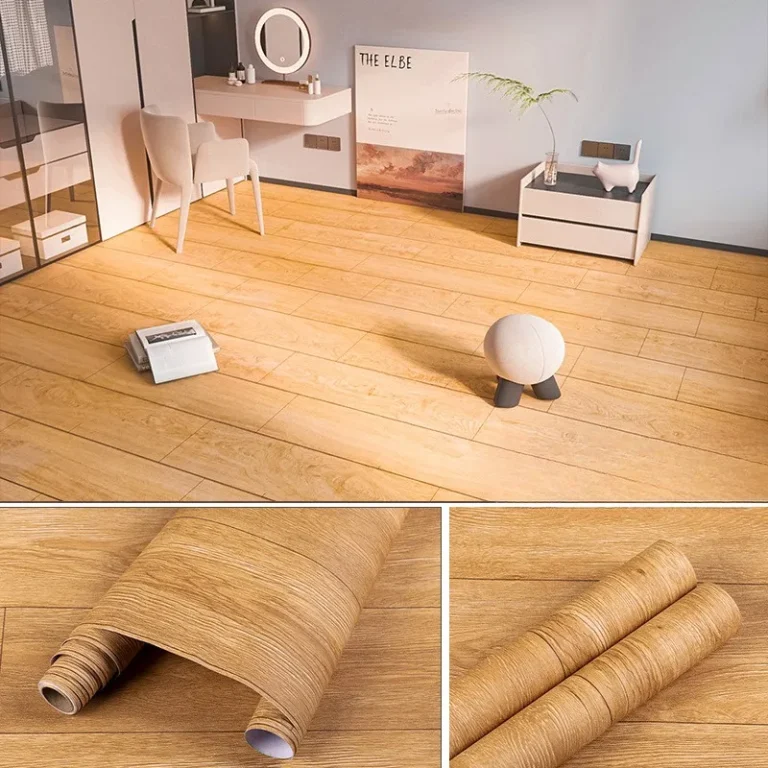
EVA film works well for product wraps that need gentle adhesion or cushioning, PVC lamination overlays, and specialty solar or electronics packaging that requires conformal protection. PE film is common for food packaging, anti-dust and anti-static covers, pallet wrapping, and heavy-duty protective films.
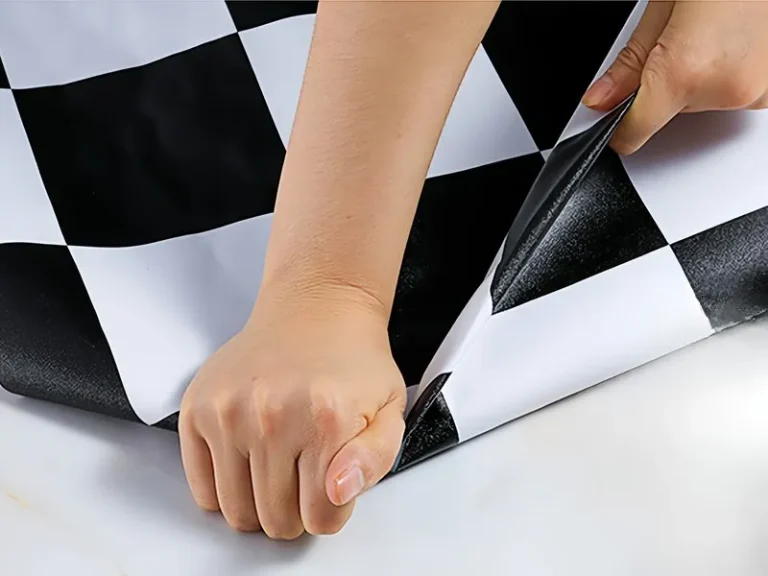
Both EVA and PE can be printed, but surface treatments improve ink adhesion—corona or plasma treatment are standard for PE. EVA’s naturally tacky surface can enhance lamination without extra adhesives in some multi-layer products. For high-quality graphics, choose the grade and treatment that match your printing method.
PE typically withstands oils, mild chemicals, and has a broader range of formulations for temperature and UV resistance. EVA performs better under low temperatures and provides softer impact resistance. Neither is universally UV-stable without additives; stabilizers and coatings are common solutions.
Use this quick checklist to decide between EVA and PE:
• Do you need natural tack or soft lamination? → Consider EVA.
• Is cost, broad availability, or strength/stretch the priority? → Choose PE (LDPE/LLDPE/HDPE depending on needs).
• Is printing quality critical? → Both work, but ensure proper surface treatment and grade selection.
• Will the application face low temperatures or need cushioning? → EVA often performs better.
| Factor | Best pick | Notes |
|---|---|---|
| Adhesion/lamination | EVA | Often bonds without extra adhesives |
| Cost-sensitive bulk packaging | PE | Multiple economical grades |
| Stretch/protection | LLDPE / LDPE | Stretch wrap and protective films |
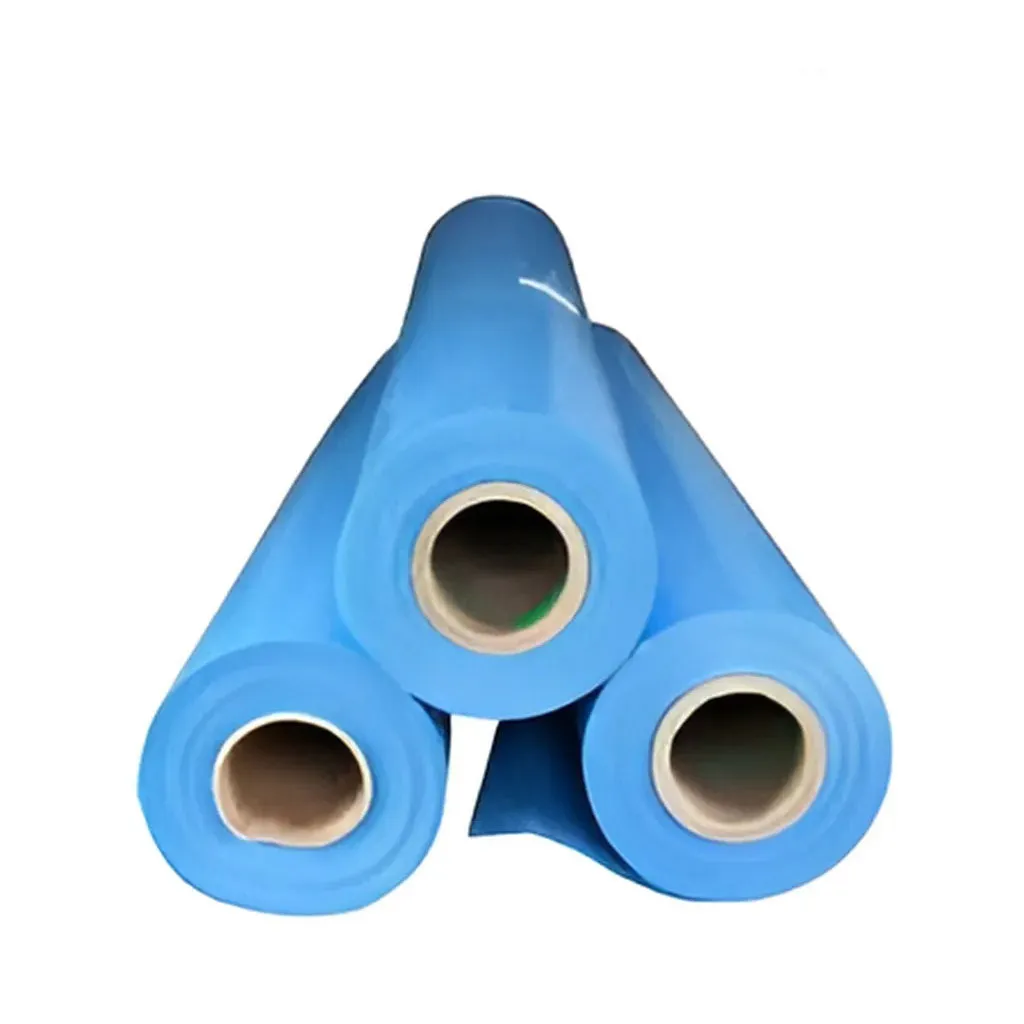
PE is widely recyclable (check local codes and resin ID). EVA recycling is more limited depending on vinyl acetate content and local processing capabilities. For sustainable choices, work with your supplier to verify recyclability, recommended additives, and end-of-life pathways.
If you need tailored thicknesses, colors, prints, or split-packaging for different markets, choose a partner with full in-house capabilities. Pulivk (Henan Pulivk New Materials Co., Ltd.) provides calendering, printing, and split-packaging lines—supporting OEM, custom sizes, and reliable lead times for global export.
Test prototypes under real use conditions. Ask your supplier for data sheets on tensile strength, elongation, haze, and recommended printing/treatment methods. Confirm lead times and QC steps if you have volume or private-label needs.
Q: Can EVA and PE be laminated together? A: Yes—compatibility depends on adhesives, surface treatments, and processing temperatures.
Q: Which is better for food packaging? A: Certain PE grades are widely used; EVA must meet food-contact regulations if used.
Need samples or technical consultation? Visit Pulivk: https://pvcfilmtec.com/ for product lines, OEM options, and factory capabilities.