Address
304 North Cardinal St.
Dorchester Center, MA 02124
Work Hours
Monday to Friday: 7AM - 7PM
Weekend: 10AM - 5PM
Address
304 North Cardinal St.
Dorchester Center, MA 02124
Work Hours
Monday to Friday: 7AM - 7PM
Weekend: 10AM - 5PM


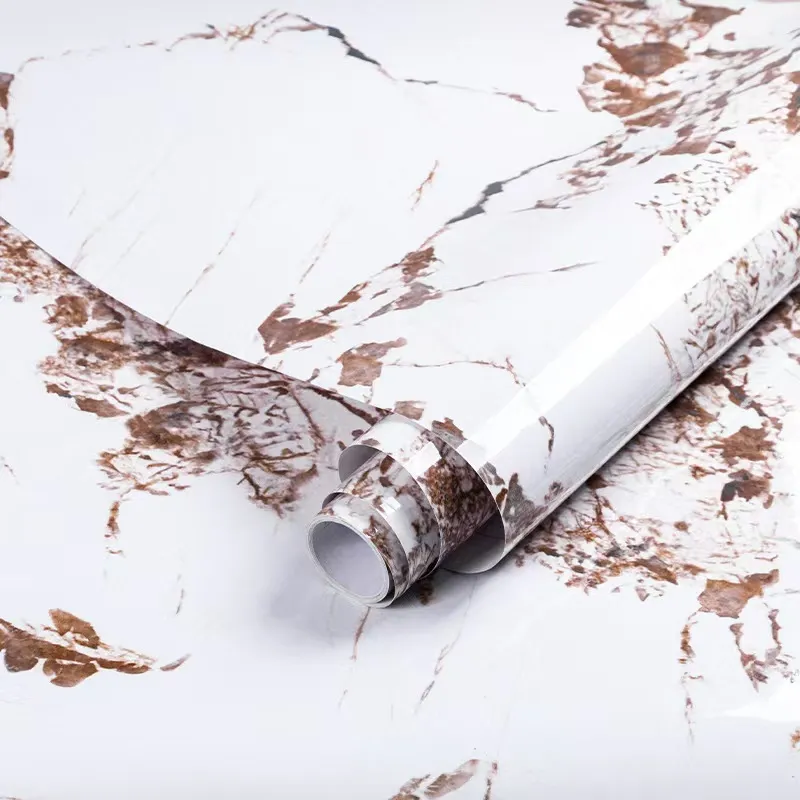
PVC film is everywhere — from decorative finishes and flooring protection to packaging and self-adhesive surfaces — but growing environmental concerns are driving designers, manufacturers, and buyers to seek sustainable substitutes. This guide walks through practical, eco-friendly alternatives to PVC film, compares performance and end-of-life options, and explains how to choose the right material for your application.
PVC (polyvinyl chloride) has long been popular for its durability, printability, and cost-effectiveness. However, PVC can release harmful additives during production and disposal, and mixed recycling streams often make recovery difficult. Choosing alternatives can reduce toxic residues, lower carbon intensity, and improve recyclability or compostability — depending on the material selected.
Bio-based polyethylene (Bio-PE): Chemically identical to conventional PE but made from renewable feedstocks (e.g., sugarcane). Offers the same recyclability in PE streams and is ideal for applications where traditional PE properties are required.
Polypropylene (PP) and PE (recyclable grades): Widely recyclable, chemically stable, and available in many finishes. When sourced and designed for mono-material packaging, PP/PE films significantly improve recycling rates compared with PVC laminates.
PET (polyethylene terephthalate): High strength and excellent print quality; PET is widely recycled in many regions and suitable for decorative films and protective overlays that require dimensional stability.
Cellulose-based films (regenerated cellulose / cellophane): Derived from wood pulp, these films are biodegradable and compostable under industrial conditions. They provide good clarity and are a strong choice for low-barrier packaging and decorative wraps.
Polylactic Acid (PLA) & Compostable Blends (PBAT, PBS): Compostable resins that perform well for many packaging use cases. PLA is stiff and transparent; blends with PBAT or PBS add flexibility and tear resistance for film applications.
Starch-based and paper-based laminates: For applications where a recyclable or compostable paper face is acceptable, coated papers or starch-enhanced films provide a low-carbon alternative to PVC overlays.
Barrier properties: PVC often provides strong moisture and chemical resistance. Alternatives such as PET or multi-layer PE can match barrier performance, while cellulose and some compostable films may require additional coatings for equal protection.
Durability and flexibility: PE and PP are flexible and durable for adhesive applications; PLA is more brittle unless blended. Evaluate mechanical needs (tear, scratch resistance, adhesive compatibility) before switching.
Printability and finish: PET and PE give excellent print results and can be textured or metallised. Cellulose films offer natural finishes and are great for premium, sustainable branding.
| Material | End-of-life | Common uses | Pros / Cons |
|---|---|---|---|
| Bio-PE | Recyclable with PE | Packaging, liners | Low-carbon feedstock; same performance as PE. |
| Recyclable PE / PP | Widely recyclable (where facilities exist) | Protective films, floor/wall films | Good durability; design for mono-material boosts recycling. |
| PET | High recycling rates in many markets | Decorative film, laminates | Excellent clarity and strength; heavier than PE. |
| Cellulose (Cellophane) | Compostable / biodegradable | Retail wraps, premium packaging | Renewable; may need coatings for barrier performance. |
| PLA / Compostable blends | Industrial composting (often) | Single-use packaging, labels | Compostable but variable heat/moisture resistance. |
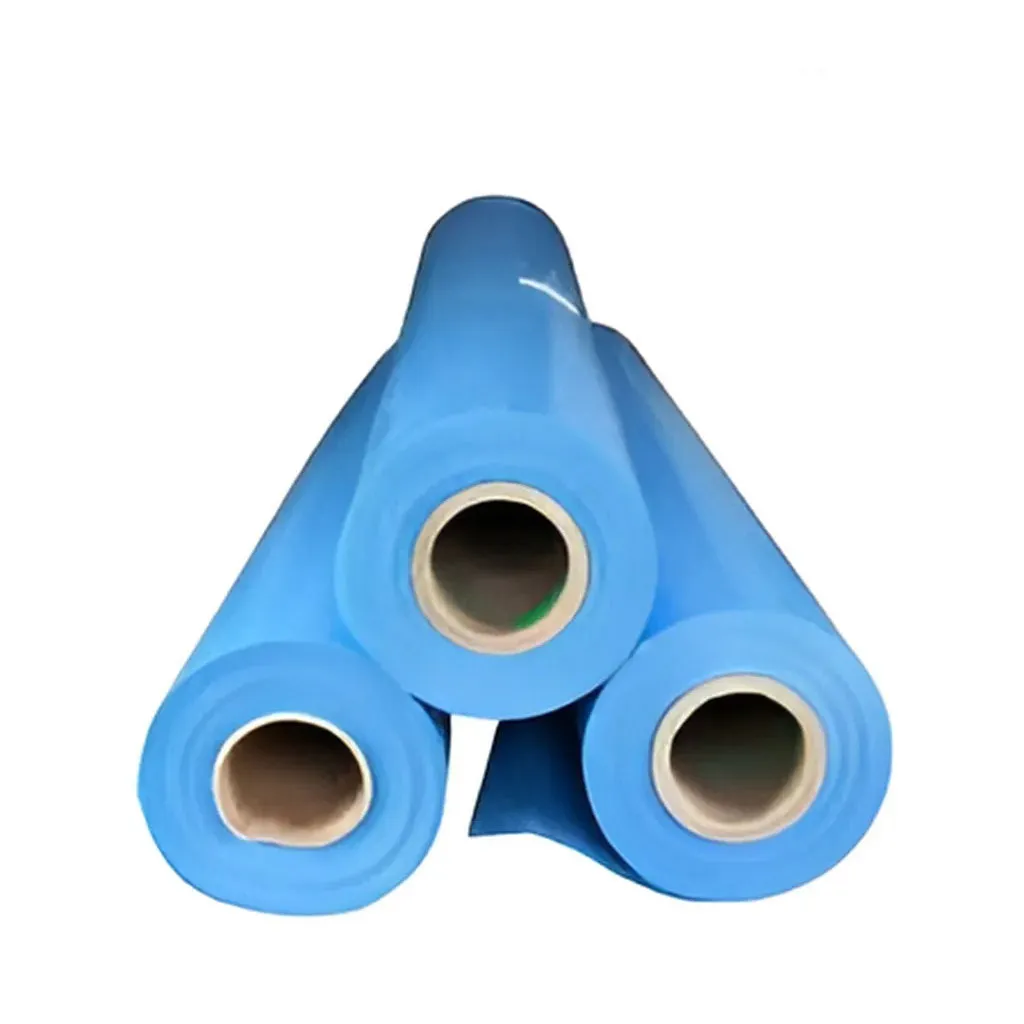
Start with the use case: For decorative overlays and surface protection, match flexibility, adhesion, and scratch resistance. For packaging, prioritize barrier and end-of-life options.
Follow local waste infrastructure: If industrial composting or widespread recycling is available in your region, select materials that align with those systems (e.g., compostable films where composting exists; recyclable mono-polymer films where recycling is strong).
Design for mono-material solutions: Avoid complex laminates that mix different polymers; mono-material films improve recyclability and simplify recovery.
Look for recognized certifications and standards such as EN 13432 / ASTM D6400 for compostability, and recycling labels that match your regional program. Third-party testing for migration, durability, and flammability should be part of material validation before large-scale adoption.
Some bio-based or compostable films can be costlier than PVC today, but prices are trending down as production scales. For manufacturers seeking reliable supply and customization, emerging producers and converters can support OEM runs and tailored finishes. Henan Pulivk New Materials Co., Ltd. (https://pvcfilmtec.com/) provides a wide production chain and customization options across film types to help buyers transition while controlling costs.
Switching from PVC film is a balance of environmental goals, functional needs, and local waste management realities. By prioritizing recyclable mono-materials, exploring bio-based resins, and validating performance through testing, brands and specifiers can make meaningful improvements while maintaining product quality.