Address
304 North Cardinal St.
Dorchester Center, MA 02124
Work Hours
Monday to Friday: 7AM - 7PM
Weekend: 10AM - 5PM
Address
304 North Cardinal St.
Dorchester Center, MA 02124
Work Hours
Monday to Friday: 7AM - 7PM
Weekend: 10AM - 5PM


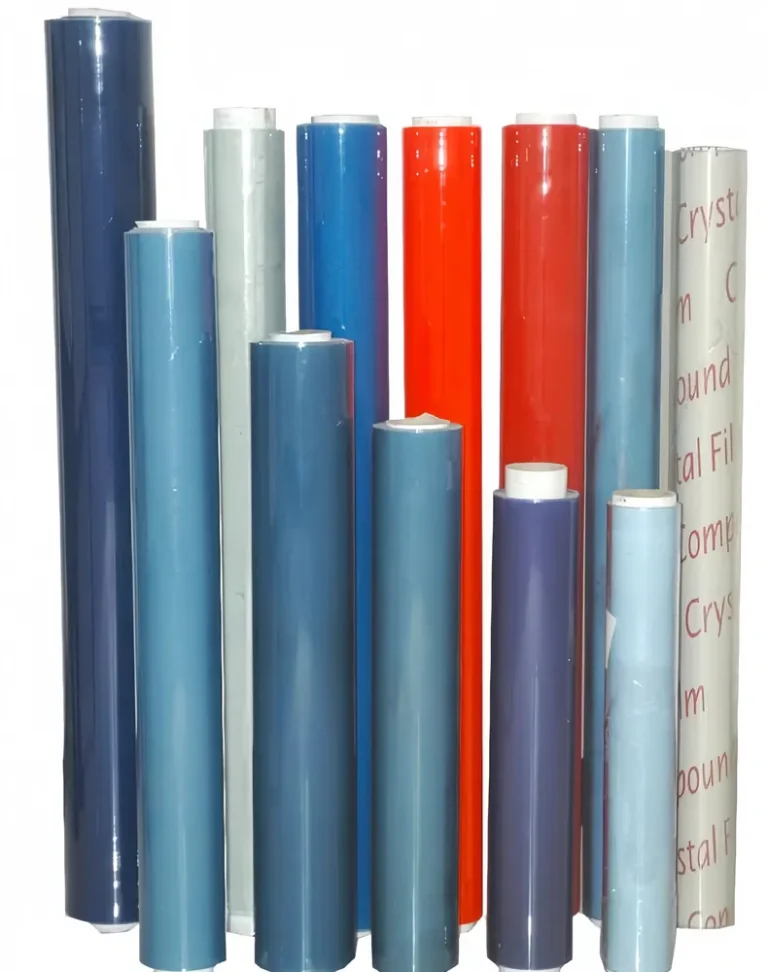
Cold shrink film is a versatile, pre-stressed polymer sleeve that rapidly returns to its original diameter when the temporary core or liner is removed. Designed for fast, reliable sealing, insulation, and protection without heat, it’s widely used across packaging, construction, electrical, and industrial maintenance sectors. This guide explains what cold shrink film is, how it works, its benefits, common applications, and practical tips for selection and installation.
Cold shrink film is manufactured from elastic materials—commonly PVC or specialized polyolefins—stretched over a removable core. After sliding the sleeve over the target object and pulling out the liner, the film contracts and forms a tight, continuous layer. Because no heat is required, cold shrink solutions eliminate risks associated with heat application and offer consistent results even in tight spaces or on sensitive surfaces.
Production begins with cross-linked elastic film that is expanded and installed over a supporting mandrel. When the mandrel or removable liner is pulled away, the film recovers to its relaxed size, creating compression around pipes, cable joints, or packaged goods. This mechanical recovery provides an immediate seal, mechanical protection, and environmental resistance.
Cold shrink film offers several advantages over traditional heat-shrink alternatives:
Safe, no-heat application: Ideal for flammable or temperature-sensitive environments and for on-site repairs where heat tools are impractical.
Consistent sealing: The pre-stressed material recovers uniformly, reducing the risk of gaps or weak points.
Speed and convenience: Fast installation—pull liner, position sleeve, remove liner—saves labor time for installers and maintenance crews.
Durability: Engineered films deliver abrasion resistance, UV stability, and moisture protection when formulated for outdoor use.
Cold shrink film is used where reliable sealing and protection are needed without applying heat. Typical applications include:
Electrical insulation: Insulating cable joints, terminators, and connectors—especially useful for utility crews performing outdoor splices.
Pipeline and tubing protection: Corrosion prevention and mechanical protection for pipe joints and threaded fittings.
Packaging and tamper-evident seals: Shrinkable sleeves for bottles, tubes, and bundled products where a snug, secure fit is required.
Surface protection and temporary masking: Safeguards surfaces during transport, painting, or construction projects without heat exposure.
Field technicians value cold shrink film for emergency repairs and installations in confined spaces. Its reliability in cold climates—where heat guns can be less effective—makes it a preferred choice for northern and high-altitude worksites.
Manufacturers offer different formulations depending on the end use. Key specifications to consider include chemical compatibility, UV resistance, operating temperature range, and elongation/recovery properties. Typical material options:
PVC-based cold shrink film: Economical, good for many packaging and sealing uses.
Cross-linked polyolefin: Higher temperature range, improved chemical resistance, and better long-term outdoor performance.
| Property | Typical Value / Benefit |
|---|---|
| Recovery Ratio | High—tight mechanical seal after liner removal |
| Operating Temperature | Ranges from -40°C to +85°C (varies by material) |
| UV & Weather Resistance | Available in UV-stabilized grades for outdoor use |
| Application Method | No heat required — liner pull & set |
For reliable performance, follow these recommendations:
Surface prep: Clean, dry surfaces improve adhesion and sealing performance.
Correct sizing: Choose a sleeve sized to cover the entire joint and provide adequate overlap.
Controlled environment: Although no heat is needed, avoid installing in extreme gusty conditions that may shift the sleeve during application.
Inspection: After recovery, visually inspect for voids, and verify mechanical tightness where applicable.
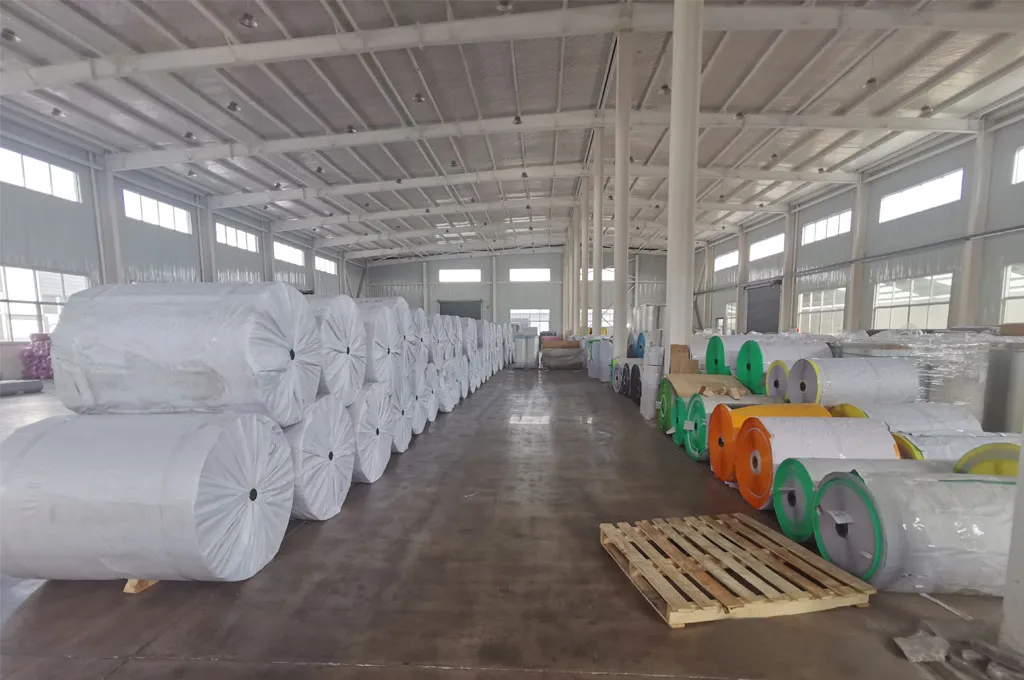
Look for a manufacturer with in-house production control, consistent quality checks, and flexible OEM options. Pulivk provides full in-house production capabilities—calendering, printing, and split-packaging—and supports custom sizes, prints, and private-label packaging for global customers.
Before purchasing, confirm:
Material certifications (e.g., UV stabilization, flame-retardant grades if needed), lead times, minimum order quantities, and available customization.
Q: Can cold shrink film be used in very cold weather?
Yes—select formulations are designed for low-temperature recovery and retain elasticity in sub-zero conditions.
Q: Is cold shrink film reusable?
No. Cold shrink sleeves are designed for one-time recovery and seal; removing them typically destroys the pre-stressed structure.
Cold shrink film offers a safe, fast, and reliable sealing solution across many industries. Whether for electrical insulation, packaging, or protective surface applications, selecting the correct material grade and proper sizing ensures long-term performance. For tailored production and OEM options, consider a supplier that controls the entire manufacturing chain to guarantee consistent quality and timely delivery.