Address
304 North Cardinal St.
Dorchester Center, MA 02124
Work Hours
Monday to Friday: 7AM - 7PM
Weekend: 10AM - 5PM
Address
304 North Cardinal St.
Dorchester Center, MA 02124
Work Hours
Monday to Friday: 7AM - 7PM
Weekend: 10AM - 5PM


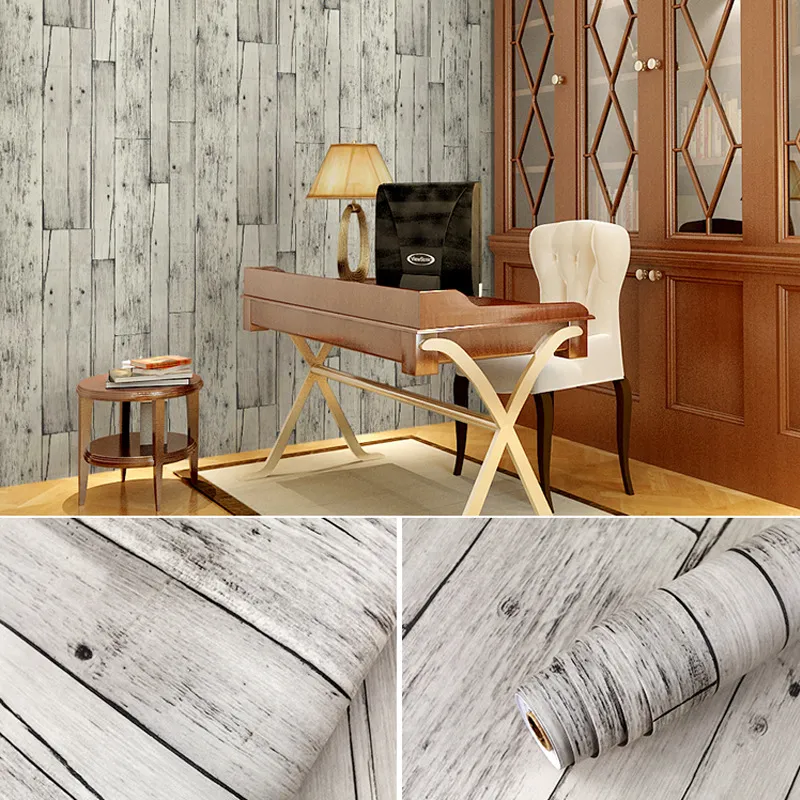
Wood grain decorative film is a thin, flexible PVC or PET surface covering that replicates the look and texture of natural wood. It’s widely used to refresh furniture, cabinets, doors, and interior panels without the cost or maintenance of solid timber. Ideal for quick renovations, commercial fit-outs, and furniture manufacturing, wood grain film delivers realistic aesthetics with long-lasting performance.
Also called wood effect PVC film or wood-print decorative film, this product is produced by calendering or extrusion and printed with high-resolution wood patterns. A protective wear layer and optional adhesive make it suitable for direct lamination onto MDF, particleboard, metal, glass, and many existing surfaces. Modern printing and embossing create convincing knots, grains, and 3D textures that mimic oak, walnut, teak, maple, and other species.
• Cost savings: Achieves premium wood looks at a fraction of the price of solid wood and veneer.
• Durability: Resistant to scratching, moisture, and fading when coated with protective layers.
• Fast installation: Can be heat-laminated, glued, or applied as self-adhesive film for quick refurbishment.
• Low maintenance: Easy to clean and maintain—no sanding or re-staining required.
• Design variety: Wide range of colors, grains, and finishes (matte, semi-gloss, high-gloss, embossed).
• Kitchen cabinets and countertops (as edge banding or surface film).
• Wardrobes and closet doors—an affordable way to change interior styles.
• Commercial interiors—shop fittings, office panels, exhibition booths where consistent aesthetics are needed.
• Furniture manufacturing—flat-pack and custom furniture gain higher perceived value without high material costs.
• Doors and skirtings—applies easily to engineered door skins and MDF skirting boards.
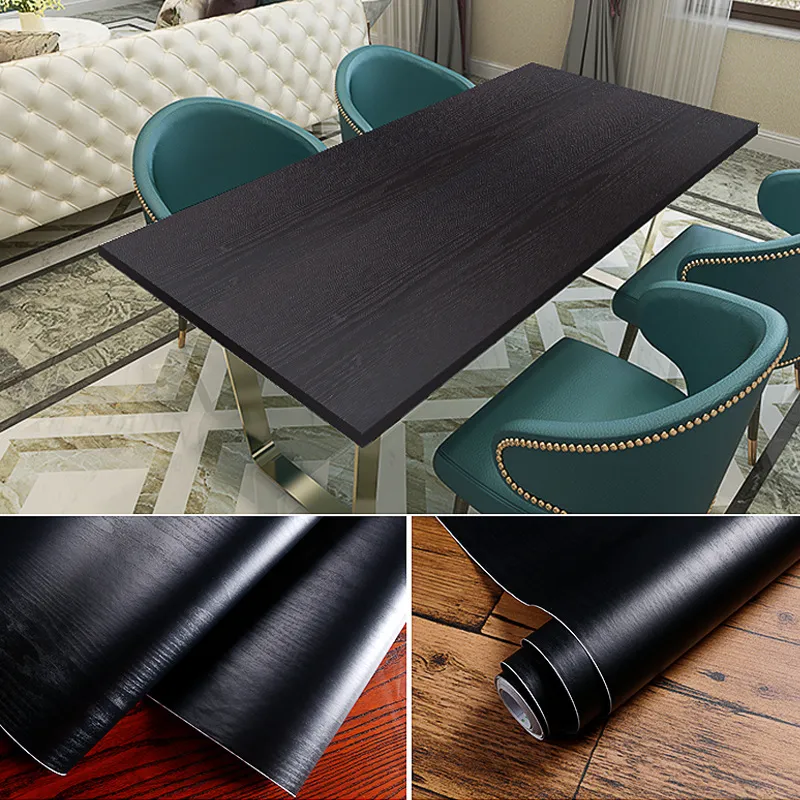
• Calendered wood grain film: Flexible, cost-effective, good for wide-area lamination.
• Cast vinyl wood film: Higher dimensional stability, better for curved surfaces and heat forming.
• Self-adhesive film: Peel-and-stick application for DIY and light commercial jobs.
• Embossed/3D texture: Adds tactile grain that matches printed visuals for higher realism.
| Property | Typical Value | Why it matters |
|---|---|---|
| Thickness | 80–350 μm | Balance between flexibility and durability for lamination |
| Surface finish | Matte / Semi-gloss / Gloss / Embossed | Choose to match interior style and light reflection |
| UV & color fastness | Good with UV-stabilized inks | Prevents fading in sun-exposed areas |
| Adhesion options | Heat-laminated / Solvent glue / Self-adhesive | Multiple installation methods for varied substrates |
| Fire rating | Varies by formulation | Check local regulations for commercial use |
• Match texture to project: Use embossed film for high-touch furniture; use gloss finishes for modern designs.
• Check substrate compatibility: MDF, particleboard, metal, and glass may require different adhesives or pre-treatment.
• Consider durability needs: For kitchens and bathrooms choose films with strong wear layers and moisture resistance.
• Confirm environmental & safety specs: Look for low-VOC options and fire-resistance ratings if required by code.
• Surface prep: Clean, sand and degrease surfaces. Smooth edges help avoid delamination.
• Temperature control: Apply at recommended temperatures—PVC films form and bond best when warm.
• Use correct adhesive: Heat-lamination is standard in furniture factories; pressure-sensitive films work for DIY.
• Trim and finish: Use sharp blades and proper edge banding for seamless results.
Regular cleaning with mild detergent and a soft cloth keeps the finish fresh. Avoid abrasive cleaners and solvents that can damage the wear layer. With correct installation and maintenance, high-quality wood grain films can last many years in residential and commercial settings.
Wood grain decorative film reduces demand for natural timber and often lowers transport and material costs compared with solid wood. While PVC films are recyclable in some processing streams, check local recycling capabilities and request low-VOC formulations to minimize indoor air impact.
Buy from manufacturers or distributors who offer full in-house production, quality control, and flexible OEM services. Look for suppliers who can provide custom widths, prints, and packaging to match production needs.
Manufacturing snapshot: Henan Pulivk New Materials Co., Ltd. operates calendering, printing, and split-packaging lines to deliver wood grain decorative film with tailored sizes, reliable quality control, and global export experience. https://pvcfilmtec.com/