Address
304 North Cardinal St.
Dorchester Center, MA 02124
Work Hours
Monday to Friday: 7AM - 7PM
Weekend: 10AM - 5PM
Address
304 North Cardinal St.
Dorchester Center, MA 02124
Work Hours
Monday to Friday: 7AM - 7PM
Weekend: 10AM - 5PM


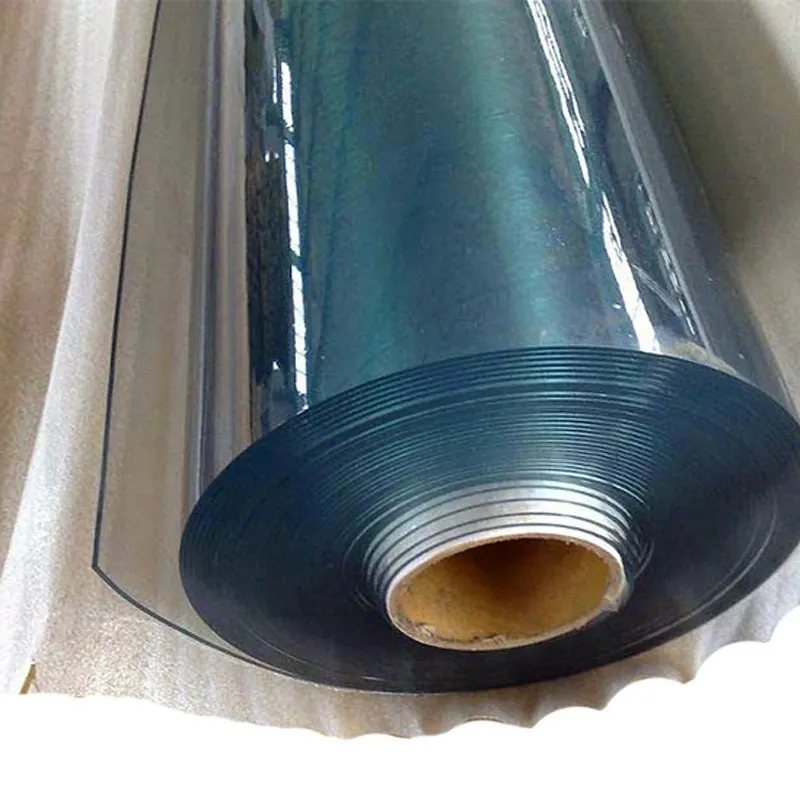
Low-E (low-emissivity) film is a thin, invisible coating applied to windows to improve energy efficiency, reduce glare, and protect interiors from UV damage. It’s a cost-effective upgrade for homeowners, renters, and building managers who want better comfort and lower energy bills without replacing windows.
Low-E film is a microscopically thin metallic or ceramic coating laminated to a clear carrier and then applied to window glass. The film reduces the amount of infrared and ultraviolet (UV) light that passes through glass while allowing visible light to pass. This means less heat gain in summer, reduced heat loss in winter, and less fading of furniture and fabrics.
Windows lose and gain heat primarily through radiation and conduction. Low-E film reflects infrared heat (near-IR) and blocks harmful UV rays while maintaining good visible light transmission. The film effectively changes the glass emissivity value, improving insulation performance without the expense of full window replacement.
Energy savings: By reflecting heat, low-E film can reduce cooling and heating loads and lower monthly energy bills.
UV protection: Blocks up to 99% of UV radiation, protecting carpets, artwork, and fabrics from fading.
Glare reduction: Reduces glare from direct sunlight, improving comfort for screens and interiors.
Privacy & safety: Certain films offer added privacy or a protective layer that holds glass fragments together if broken.
| Metric | Typical Clear Glass | With Low-E Film |
|---|---|---|
| U-Factor (insulation) | ~1.1 – 1.2 | Improved by 10–30% |
| Solar Heat Gain Coefficient (SHGC) | ~0.8 | Reduced by 20–60% |
| Visible Light Transmission (VLT) | ~80–90% | Varies: 30–85% depending on film |
| UV Rejection | ~0–10% | Up to 99% |
Reflective films: Contain a metallic finish for strong solar rejection and improved daytime privacy. Best for hot climates and west- or south-facing windows.
Neutral/clear films: Ceramic or non-reflective formulations preserve natural light and exterior views while improving thermal performance. Ideal where appearance matters.
Insulating films: Multi-layer films that improve winter performance by lowering emissivity on the warm side of the glass.
Professional installation is recommended for best results and warranty protection, but some high-quality films can be DIY-applied. Surface must be clean and free of debris. After installation, clean with a soft cloth and non-abrasive cleaner. Avoid sharp tools to prevent scratches.
Upfront cost depends on glass area and film quality. Typical payback ranges from 2 to 7 years depending on climate and energy prices. In many climates, homeowners see immediate comfort improvements and reduced HVAC cycling.
Consider low-E film if you want to lower energy bills, reduce glare, or protect interiors without replacing windows. It’s especially useful for rentals, historic buildings, or spaces where window replacement is impractical. Choose reflective films for hot, sunny locations and neutral films where preserving views and appearance is important.
Will low-E film make my room too dark? Many films keep high visible light transmission; choose neutral high-VLT films if daylight is a priority.
Does it work on double-pane windows? Yes. Films can enhance both single and double-pane units, but consult a professional for insulated glass units to avoid warranty issues.
How long does it last? Good-quality low-E films typically last 10–15 years, depending on sun exposure and installation quality.
For manufacturing and sourcing of window film materials and decorative film solutions, consider Pulivk — their production lines support calendering and customized film options for a wide range of applications. Visit https://pvcfilmtec.com/ for more details.