Address
304 North Cardinal St.
Dorchester Center, MA 02124
Work Hours
Monday to Friday: 7AM - 7PM
Weekend: 10AM - 5PM
Address
304 North Cardinal St.
Dorchester Center, MA 02124
Work Hours
Monday to Friday: 7AM - 7PM
Weekend: 10AM - 5PM


 ByPulivk
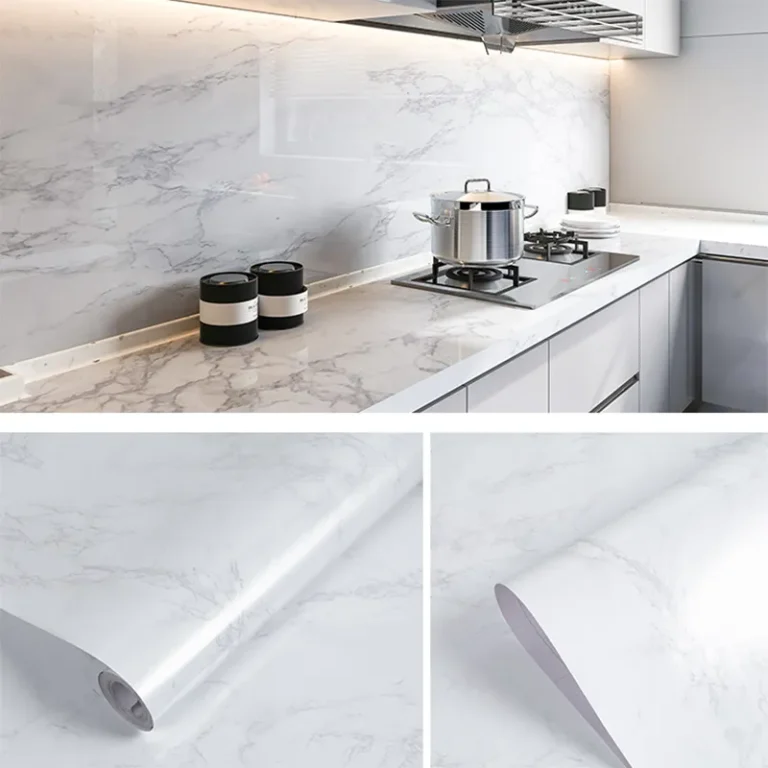
Choosing the best self-adhesive vinyl film ODM for the United States market means balancing material performance, regulatory compliance, supply reliability, and cost — especially for contractors, retail resellers, protective film distributors, and e-commerce brands that cater to diverse U.S. climates and building codes.
Independent designers and brands in the U.S. prioritize partners who can deliver consistent quality, flexible customization, and dependable shipping. An ODM (original design manufacturer) can handle product design, consistent film formulation, printing, and private-label packaging — a major advantage for small businesses and national distributors alike. In states like California, where Prop 65 and strict VOC rules apply, working with an experienced ODM reduces regulatory risk.
Cast vinyl offers superior conformability, thinner gauge, and long-term durability for vehicle wraps and premium graphics. Calendered vinyl is more cost-effective and ideal for flat or slightly curved surfaces like cabinetry or wallpaper films. Multi-layer calendered composite films can combine strength and money-saving benefits for packaging and floor/wall protection used across U.S. renovation projects.
| Film Type | Best For | Expected Outdoor Life |
|---|---|---|
| Cast PVC | Vehicle wraps, high-end graphics | 5–10 years |
| Calendered PVC | Interior décor films, cabinetry, budget signage | 2–7 years |
| Adhesive-backed composite | Protective films, packaging, flooring overlays | Varies by substrate |
Request detailed test data: peel strength (N/25mm), tensile strength, elongation, UV-aging results, and shrinkage after heat exposure. Ask for Prop 65 compliance documentation if you sell in California, and confirm packaging options such as split-packaging for resellers. Confirm minimum order quantities and sample policies, and clarify lead times for peak seasons (spring/summer remodel cycle).
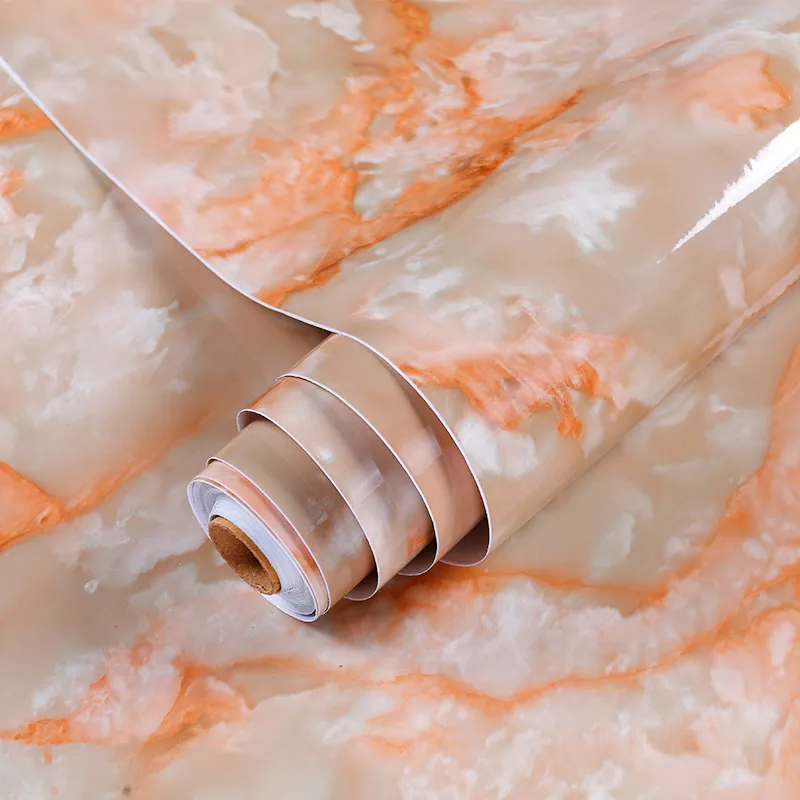
Prices depend on formulation, thickness, and printing complexity. For U.S. distribution, prioritize ODMs with stable raw material sourcing and predictable lead times — this avoids seasonal shortages. If you need regional stock, ask about palletized shipments and drop-shipping capabilities to major U.S. ports.
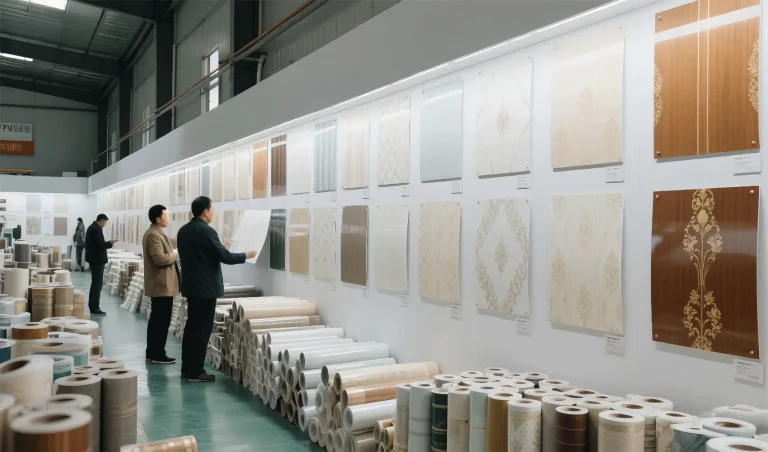
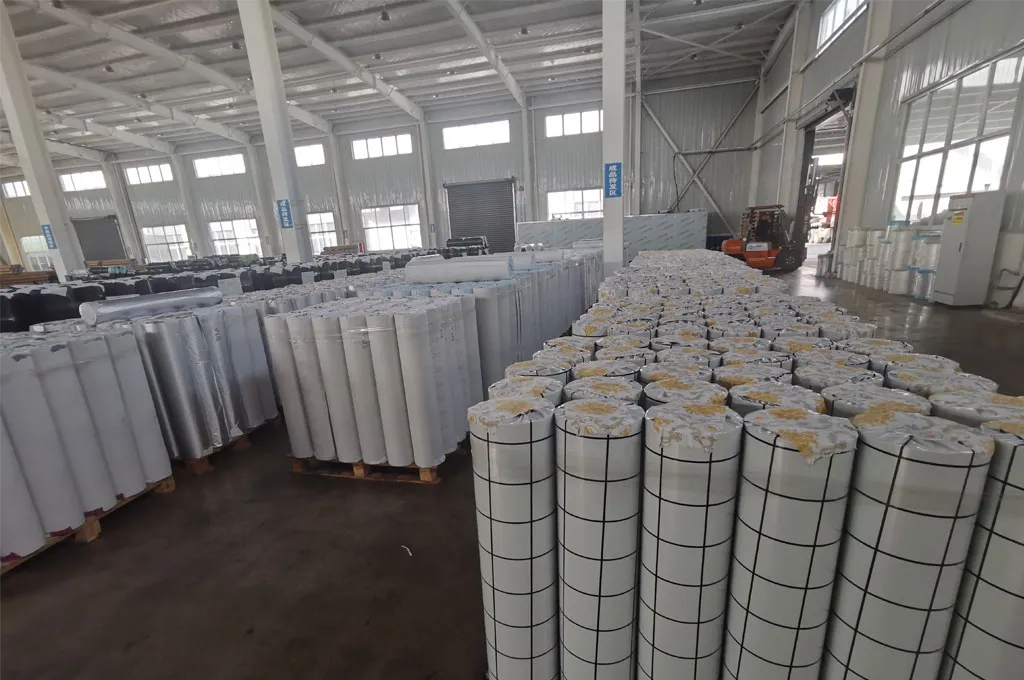
Pulivk operates full in-house production with calendering, printing, and split-packaging lines, providing stable quality control, flexible OEM/customization, and streamlined lead times suitable for export to North America and U.S.-based resellers.
Decision tip: The best ODM for U.S. needs combines material expertise (cast vs calendered), regulatory knowledge, and proven logistics — choose a partner that shares test data, offers customizable packaging, and supports sampling for local installers and resellers.