Address
304 North Cardinal St.
Dorchester Center, MA 02124
Work Hours
Monday to Friday: 7AM - 7PM
Weekend: 10AM - 5PM
Address
304 North Cardinal St.
Dorchester Center, MA 02124
Work Hours
Monday to Friday: 7AM - 7PM
Weekend: 10AM - 5PM



 ByPulivk
Flexible PVC film is becoming an essential material across Uganda for packaging, industrial protection, and decorative applications. Its combination of durability, water resistance, and affordable pricing makes it ideal for local manufacturers, agricultural packagers, and small-to-medium enterprises operating in Kampala, Entebbe, and regional towns.
Durability in humid, tropical climates. Flexible PVC resists moisture, mildew, and moderate UV exposure—key for storage and transport in Uganda’s rainy seasons and hot months. For producers of packaged food, consumer goods, and construction materials, PVC film protects products without adding high cost.
Cost-effective and scalable. Local packaging converters and export-oriented SMEs benefit from competitively priced PVC film that can be ordered in rolls or split-packed lengths for small runs. The material’s long shelf life and low maintenance help reduce overall supply-chain costs.
PVC film serves multiple sectors across Uganda:
Agriculture & Food Packaging: Moisture barrier bags, laminated wraps for dried goods, and protective sleeves for processed food sold at roadside markets and supermarkets.
Construction & Industrial Protection: Temporary floor protection, dust covers, and insulating layers for furniture and laminated boards during transport from Mbarara or Masaka to Kampala.
Retail & Consumer Goods: Affordable printed or solid-color films for retail packaging, point-of-sale displays, and small household goods.
Choosing the right PVC film depends on use: transparent or frosted films for food visibility, anti-static grades for electronics packaging, and reinforced cloth-based films for heavy-duty protection. Thinner films save cost for single-use wraps, while multi-layer films improve puncture resistance for return-trip logistics.
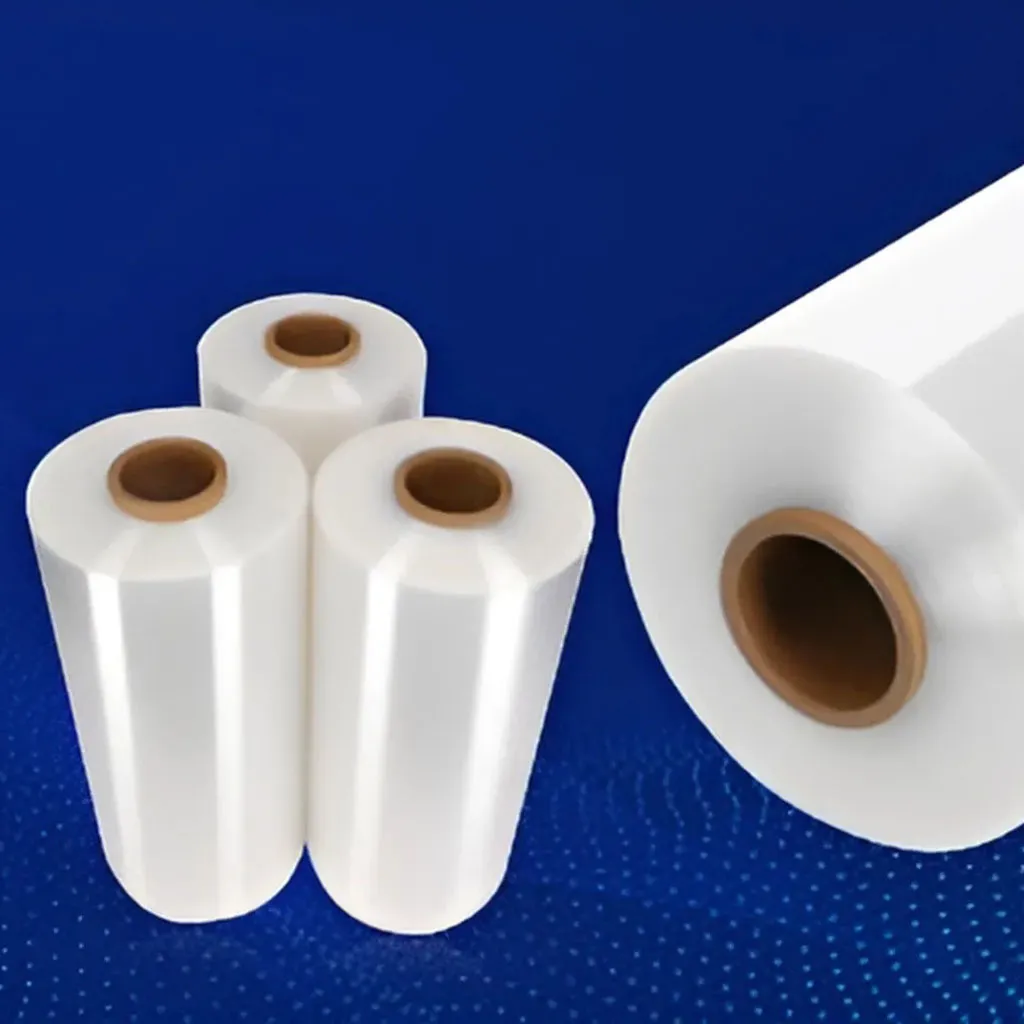
Below is a concise specification table to help procurement teams and product developers compare common flexible PVC film options. Use this as a baseline when requesting samples or pricing for Uganda-focused projects.
| Specification | Typical Range | Recommended Use |
|---|---|---|
| Thickness | 20–500 µm | Food wraps to heavy protective film |
| Roll Length | 50–1000 m | Packaging lines & split packing |
| Tensile Strength | 15–45 MPa | Load-bearing protection & wrapping |
| UV & Weather Resistance | Standard / UV-stabilized | Outdoor use, market stalls, transport |
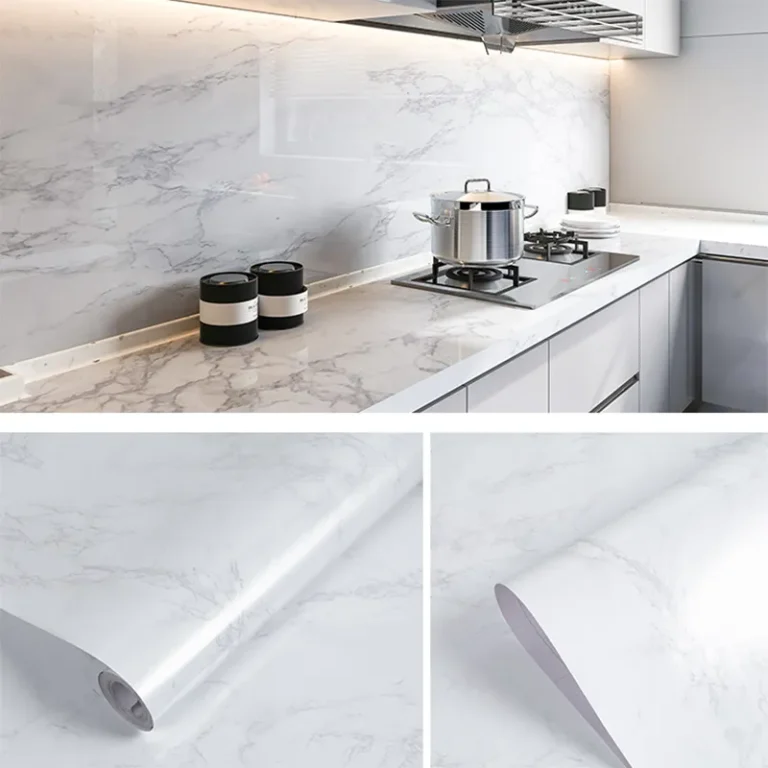
| Surface Options | Glossy, matte, embossed, printed | Branding & decorative finishes |
To maximize lifespan in Uganda’s sun and rain, specify UV-stabilized grades for products stored outdoors and choose anti-fungal formulations where condensation is likely. Reinforced or laminated films perform best for transit over long inland routes between Mombasa/Dar es Salaam ports and Kampala—reducing punctures and returns.
Because Uganda is landlocked, consolidating shipments and opting for split-packed rolls can lower inland transport costs. Local factories and packaging houses appreciate predictable MOQ and steady lead times—so ordering slightly larger batches often reduces unit cost and avoids stockouts during seasonal peaks.
Tip: Request sample rolls to test machine compatibility and print adhesion before committing to full production runs.
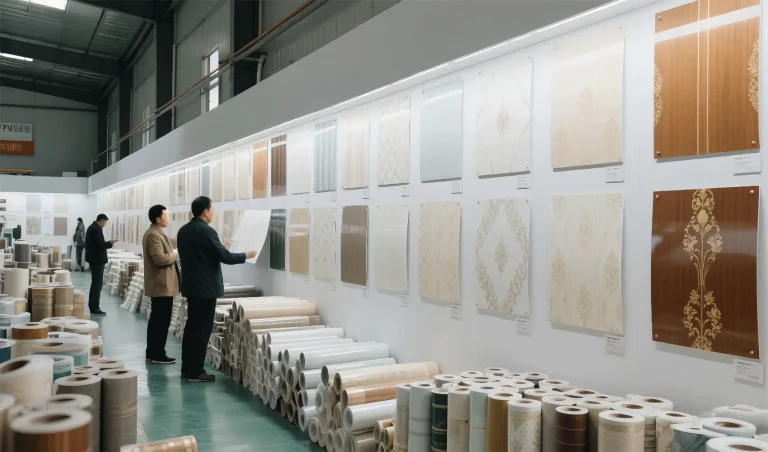
Look for manufacturers with full in-house production capabilities—calendering, printing, and split-packaging—to ensure consistent quality and timely delivery. Ask about QC checkpoints, available certifications, and experience exporting to African markets. For companies seeking a partner with these capabilities, Pulivk provides full production chain services and global export experience.
Flexible PVC film offers an excellent balance of durability and affordability for Uganda’s growing packaging and industrial needs. By matching film grade to climate exposure, logistics, and end-use, procurement teams can lower costs while improving product protection and shelf appeal.
Next step: Request product samples and confirm split-packaging options to optimize transport and local distribution.