Address
304 North Cardinal St.
Dorchester Center, MA 02124
Work Hours
Monday to Friday: 7AM - 7PM
Weekend: 10AM - 5PM
Address
304 North Cardinal St.
Dorchester Center, MA 02124
Work Hours
Monday to Friday: 7AM - 7PM
Weekend: 10AM - 5PM


 ByPulivk
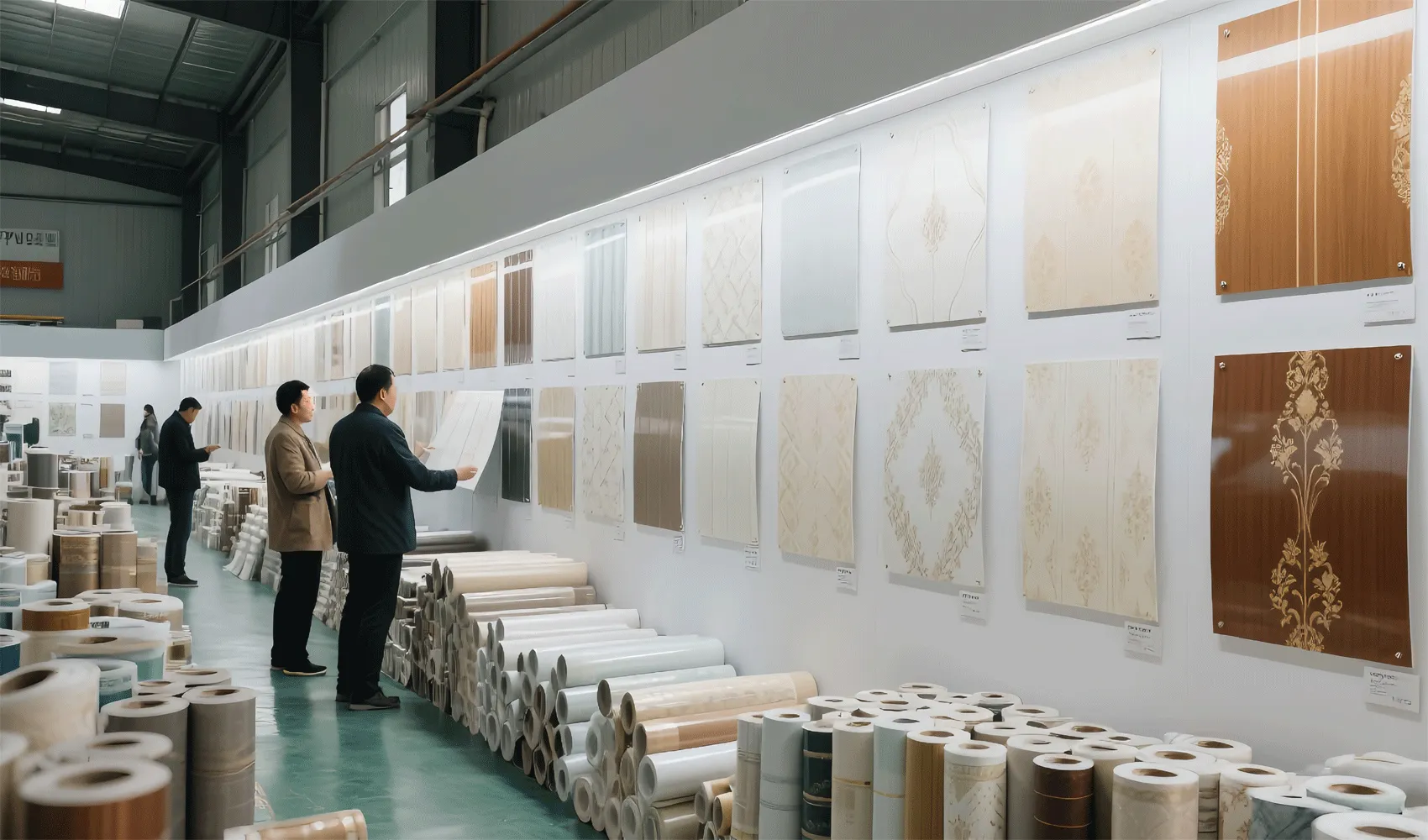
The United States market continues to embrace PVC wood grain film as a cost-effective, lightweight alternative to natural wood and laminate finishes. From residential remodels and commercial storefronts to cabinetry and furniture manufacturing, American builders, interior designers, DIY homeowners, and distributors value wood grain PVC for its durability, wide design selection, and fast installation. This article outlines market drivers, production solutions, supplier selection tips, and technical requirements tailored for US buyers.
Affordability and style: Homeowners and contractors in the US favor finishes that deliver high-end looks at lower cost. Wood grain PVC offers realistic textures—oak, walnut, maple—without the price tag or maintenance of solid wood. Renovation cycles and quick turnarounds in suburban and urban markets push demand for materials that are fast to source and install.
Interior remodels, kitchen cabinets, closet systems, furniture surfaces, and commercial fixtures are the most frequent uses. Retailers and wholesalers purchase by roll length and finish options, while furniture manufacturers prioritize consistent color matching and scratch resistance for high-traffic products.
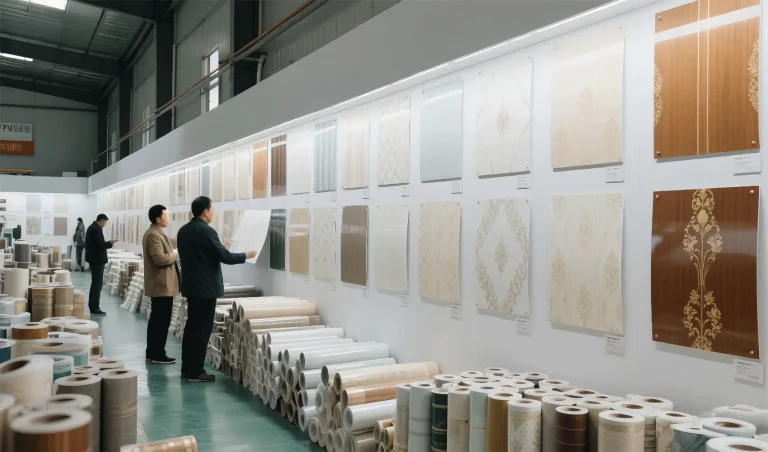
US buyers focus on several procurement criteria: reliable lead times, consistent color/texture reproduction, regulatory compliance (low-VOC inks & adhesives), and tailored roll sizes. Suppliers with full in-house production—calendering, printing, and split-packaging—tend to offer better quality control and faster response to custom orders.
One such partner with full-chain capabilities and export experience is Pulivk, which emphasizes in-house calendering, printing, and split-packaging to control quality and lead times.
Below is a quick reference for common film types and specs US customers request. Use these as starting points when discussing samples and production runs with suppliers.
| Specification | Typical Options | Common US Uses |
|---|---|---|
| Film Type | Single-layer / Multi-layer / Self-adhesive | Cabinet doors, furniture, wall panels |
| Thickness | 50μm – 500μm | Surface protection to structural overlays |
| Finish | Matt, glossy, embossed wood grain, 3D texture | High-end furniture, wardrobe doors, fixtures |
| Printing | Custom patterns, color matching, UV-cured inks | Private label, project-specific palettes |
| Packaging | Full roll or split-pack, dust-proof wrapping, labeled cartons | Retail-ready inventory, distributor pallets |
US buyers often require low-VOC formulations and documentation on raw materials and inks—particularly for projects in states like California where stricter air quality rules (CARB-related concerns) influence purchasing decisions. Fire performance and building code compliance (NFPA) matter for commercial installations. Ask suppliers for lab test reports, product MSDS, and sample batches to validate color fastness, abrasion resistance, and adhesive compatibility.
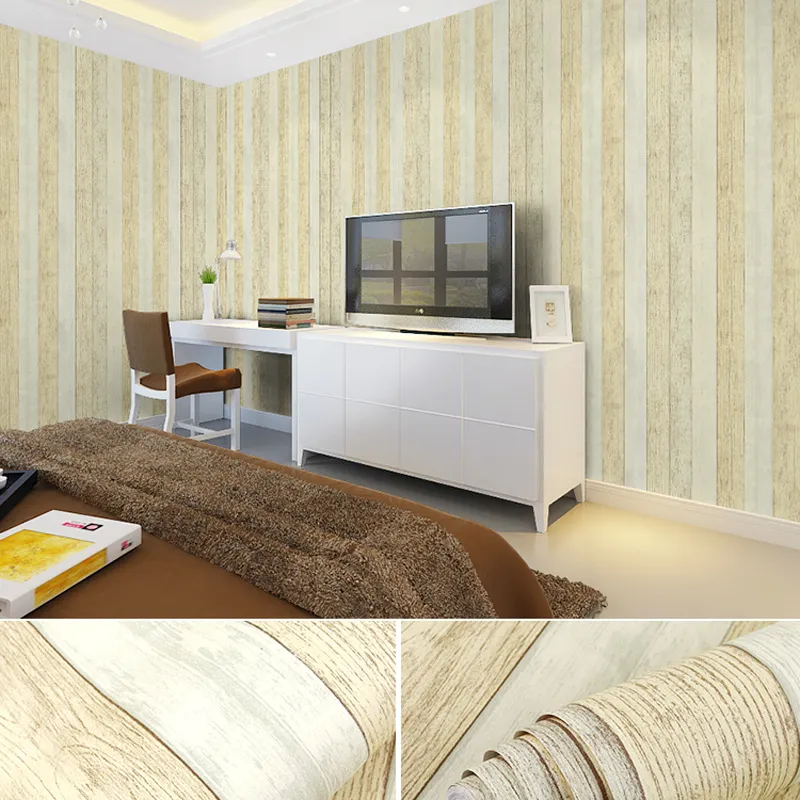
For manufacturers, retailers, and contractors in the US, clear communication on roll width, core diameter, cutting lengths, and packing format reduces waste and speeds installation. Opt for split-packaging to match retail SKU sizes or full rolls for production lines. Plan lead times with seasonal demand in mind; suppliers with vertical integration shorten lead times and minimize customs delays.
Sample policy: Always request production samples and a short pilot run before committing to large volumes. Quality checkpoints: verify color match under typical interior lighting, measure thickness at multiple points, and confirm adhesion strength on your substrate.
Partnering with a producer that handles raw material compounding, calendering, printing, and split-packaging in-house delivers consistent texture and color across batches, faster turnarounds, and greater flexibility for OEM projects. This approach helps US buyers meet tight project timelines while controlling cost and quality at the source.
When sourcing PVC wood grain film in the United States supply chain, emphasize compliance documentation, reliable lead times, and the supplier’s ability to customize prints and packaging. Prioritize partners who demonstrate strict quality control and logistics experience to support distribution across North America.