Address
304 North Cardinal St.
Dorchester Center, MA 02124
Work Hours
Monday to Friday: 7AM - 7PM
Weekend: 10AM - 5PM
Address
304 North Cardinal St.
Dorchester Center, MA 02124
Work Hours
Monday to Friday: 7AM - 7PM
Weekend: 10AM - 5PM


 ByPulivk
Heat insulation PVC film is a practical, cost-effective solution for Pakistani homes and businesses facing high summer temperatures, fluctuating energy costs, and the need for affordable retrofit options. This guide explains the benefits, common applications across Pakistan, technical choices, and a clear buying checklist to help contractors, distributors, and homeowners choose the right product.
Local climate fit: Pakistan experiences intense heat in many regions—especially in Punjab, Sindh, and southern Balochistan—making passive cooling solutions valuable. Heat insulation PVC film reduces solar heat gain on windows, doors, and light façades without major renovation.
Compared with traditional double glazing or full window replacement, insulation films are lightweight, easier to install, and often deliver rapid payback through lower cooling demand. They also suit rental apartments and commercial storefronts common in Pakistani cities like Karachi, Lahore, and Islamabad.
Energy savings: By reflecting or absorbing infrared radiation, these films can lower indoor temperatures and reduce AC runtime.
UV protection: Many films block up to 99% of UV rays, protecting furnishings, carpets, and interiors from fading—a key concern in sun-exposed Pakistani homes.
Glare reduction & comfort: Improved visual comfort for offices and living rooms without losing too much natural light.
Cost-effective retrofit: Ideal for apartment blocks, small shops, schools, mosques, and warehouses where budget-friendly upgrades matter.
Some PVC insulation films add a protective layer that holds shattered glass together, providing added safety in crowded urban settings and high-rise buildings.
Residential windows & balcony doors: Affordable retrofits for homes to reduce indoor heat during long summers.
Commercial storefronts and malls: Maintain display visibility while cutting cooling costs.
Warehouses and cold storage buffer zones: Films that combine insulation with moisture resistance help control internal conditions.
Vehicle and transport glazing: Light-insulating films for buses, taxis, and fleet vehicles improve passenger comfort in hot regions.
Heat insulation PVC film suits both DIY installations for small windows and professional application for larger glass façades. For multi-storey projects, professional installers ensure long-term adhesion and warranty compatibility.
| Type | Typical Thickness | Solar Heat Rejection | Best Use |
|---|---|---|---|
| Reflective PVC Film | 50–150 µm | High (up to 60–70%) | Storefronts, offices |
| Low-E Coated PVC | 80–200 µm | Moderate–High | Residential glazing |
| Opaque/Decorative Insulation | 100–300 µm | Variable | Walls, partitions, wardrobe surfaces |
Look for manufacturer data on Solar Heat Gain Coefficient (SHGC) or % Solar Rejection. In hot Pakistani cities, higher rejection values translate into lower AC use.
If natural light matters—for shops and living rooms—balance heat rejection with VLT so interiors remain bright without excess heat.
Thicker films resist scratches and abrasion better. For high-traffic commercial spaces choose 100 µm+ films with UV-stable coatings.
Prefer suppliers offering installation guidance or certified installers. Check for adhesion and lifetime warranties that reflect local UV exposure and humidity.
Clean films gently using a soft cloth and mild detergent—avoid abrasive cleaners and scrapers. For exterior films exposed to dust and coastal salt air, schedule seasonal inspections.
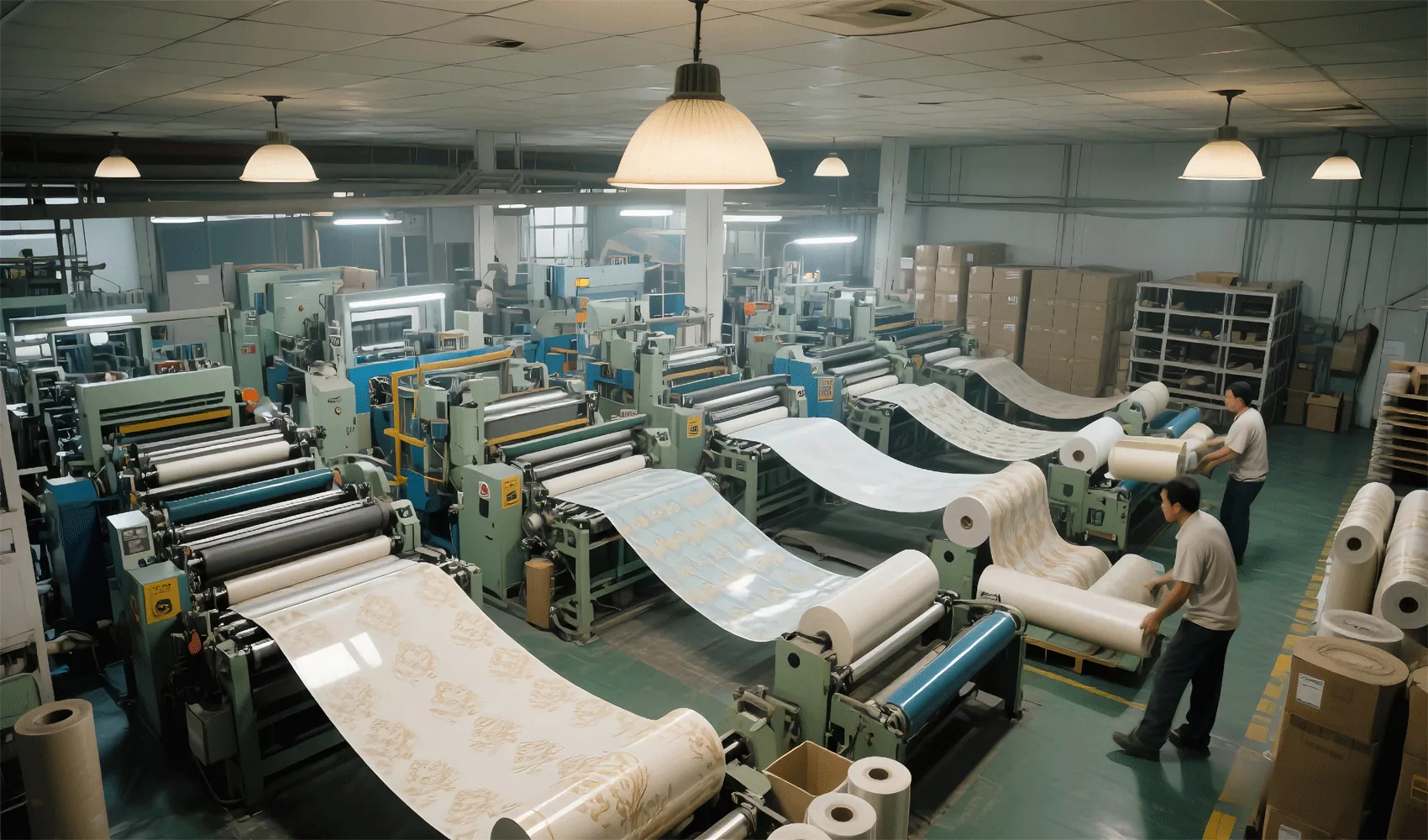
When importing or sourcing PVC insulation films for Pakistan, confirm lead times, packing methods (split rolls vs. full rolls), and export experience. Reliable suppliers will provide clear specs, sample swatches, and support for private-label orders.
One global manufacturer and exporter you can consider is Henan Pulivk New Materials Co., Ltd., which supports OEM/customization, split-packaging, and full in-house production for consistent quality.
• Confirm SHGC/Solar Rejection and VLT figures.
• Check available widths, roll lengths, and thickness options.
• Ask about split-packaging and labeling for easier local distribution.
• Verify shipping terms, lead times, and any local customs duties.
Yes. Properly selected and installed heat insulation PVC film can lower indoor temperatures and reduce AC runtime, particularly when combined with shading and ventilation strategies.
Small windows and interior applications can be DIY projects if you have patience and the right tools. For large façades or warranty-backed installations, use professional applicators.
If you need samples or OEM options for supply to Pakistan’s market, request product specifications, sample rolls, and packaging options from your chosen supplier to confirm fit for local conditions and regulations.