Address
304 North Cardinal St.
Dorchester Center, MA 02124
Work Hours
Monday to Friday: 7AM - 7PM
Weekend: 10AM - 5PM
Address
304 North Cardinal St.
Dorchester Center, MA 02124
Work Hours
Monday to Friday: 7AM - 7PM
Weekend: 10AM - 5PM


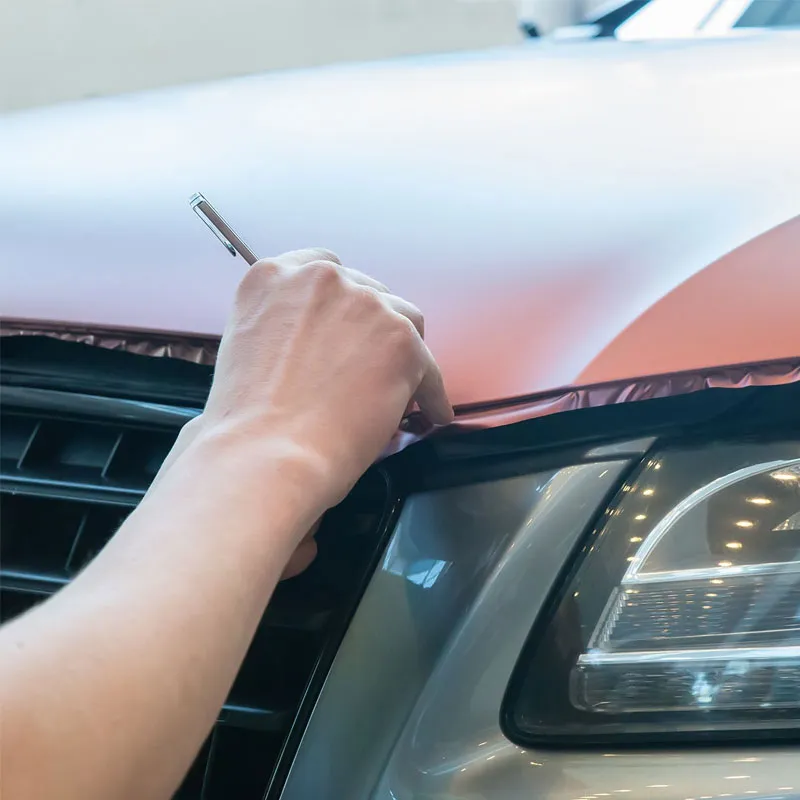
Heat insulation PVC film is an efficient, cost-effective way to reduce indoor heat gain, protect interiors from UV damage, and improve comfort across Ecuador’s diverse climates — from the hot, humid coast to the high-altitude, sun-intense Andes. This guide explains how modern PVC films deliver thermal protection, what to look for when sourcing in Ecuador, and why well-controlled production matters for consistent performance.
Solar heat, strong UV radiation at high elevations, and high humidity along the coast make thermal control a priority for homeowners, retailers, and transport operators in Ecuador. Insulation PVC films reduce heat transfer through windows and light surfaces, lower air-conditioning loads, and block damaging UV rays that fade furnishings and finishes. For many Ecuadorian properties — from seaside apartments in Guayaquil to mountain lodges near Quito — the result is lower energy bills and longer-lasting interiors.
Energy savings: By reflecting and absorbing solar radiation, films can cut indoor temperatures and reduce AC runtime. UV protection: Essential in the Andes where solar intensity is higher. Moisture resilience: Special surface treatments help resist mildew and staining in humid coastal environments.
| Feature | Typical Value | Why It Matters |
|---|---|---|
| Thickness | 20–200 µm | Balance of durability and flexibility for different applications |
| Thermal Reflectance | Up to 65% (reflective types) | Direct impact on cooling load reduction |
| UV Block | > 98% | Protects furnishings and prevents material degradation |
| Surface Finish | Matte / Gloss / 3D textures | Aesthetic choices for interior design and glare control |
| Adhesion / Backing | Self-adhesive / PE liner | Ease of installation and removal, important for rentals |
Residential windows and sliding doors — to cut cooling demand in coastal and lowland homes; commercial storefronts and offices — for customer comfort and UV-sensitive displays; automotive wraps and window films — for taxi fleets and private cars to protect interiors and reduce cabin heat; and packaging or agricultural protection — where temperature-sensitive produce needs stable insulation during short-term storage and transport.
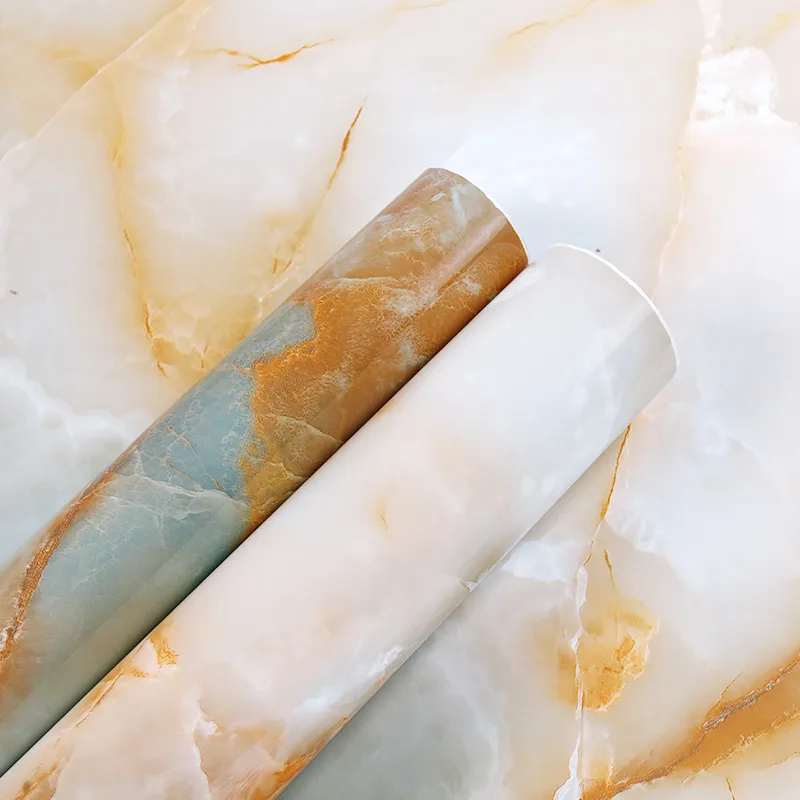
Choose films with proven UV and thermal ratings, request samples to test in your local climate, and confirm packaging options that protect rolls during shipping via Pacific ports or overland to highland regions. For coastal installations, ask about salt-spray resistance and anti-fungal surface options. For tourist accommodations and heritage buildings, select finishes that match local aesthetics while providing performance.
The factory operates complete in-house production lines including calendering, printing, and split-packaging which ensures consistent material properties, customizable finishes, and reliable lead times. Pulivk (https://pvcfilmtec.com/) supports tailored OEM specs, small batch sampling, and multiple QC checkpoints from raw materials to final packing to meet export and local distribution needs.
If you plan a pilot order for installation in Guayaquil, Quito, or coastal communities, request performance data under local solar conditions and ask for installation guidelines suited to your building type. Proper selection and professional installation are key to maximizing the thermal and UV benefits of PVC insulation films in Ecuador’s varied environments.