Address
304 North Cardinal St.
Dorchester Center, MA 02124
Work Hours
Monday to Friday: 7AM - 7PM
Weekend: 10AM - 5PM
Address
304 North Cardinal St.
Dorchester Center, MA 02124
Work Hours
Monday to Friday: 7AM - 7PM
Weekend: 10AM - 5PM


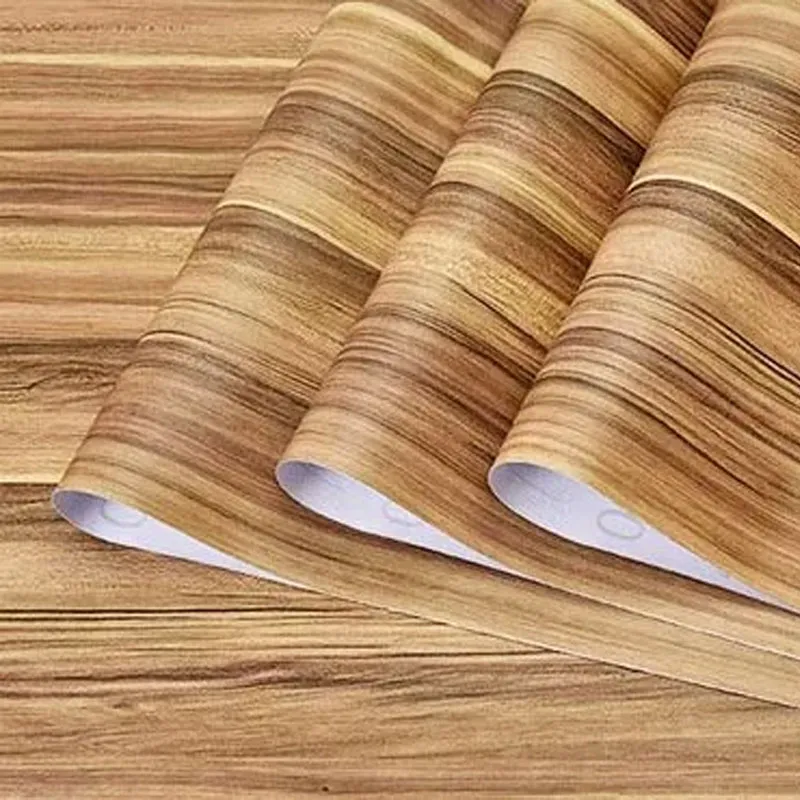
Vinyl window film is a versatile, affordable solution for French homeowners, landlords, and businesses looking to upgrade window performance and aesthetics without major renovations. From Parisian apartments with tall sash windows to contemporary homes in Provence facing strong sun, vinyl films offer privacy, UV protection, energy savings, and decorative options that fit local needs.
Vinyl window film delivers immediate improvements to comfort and appearance with minimal disruption. In many French cities where window upgrades (like replacing historic single-pane glazing) can be costly or restricted by heritage rules, film provides a reversible, non-invasive alternative. It reduces glare and fading for fabrics and artwork, helps control indoor temperatures, and offers privacy in dense urban neighborhoods.
High-quality films can block up to 99% of UV rays, protecting furniture, flooring, and art — a major concern for light-filled French homes near large windows or balconies.
Solar control films reduce heat gain in summer and can improve insulation in colder months, helping households cut heating and cooling costs. This is especially useful for south-facing facades in regions like Occitanie and Provence where summer sun is intense.
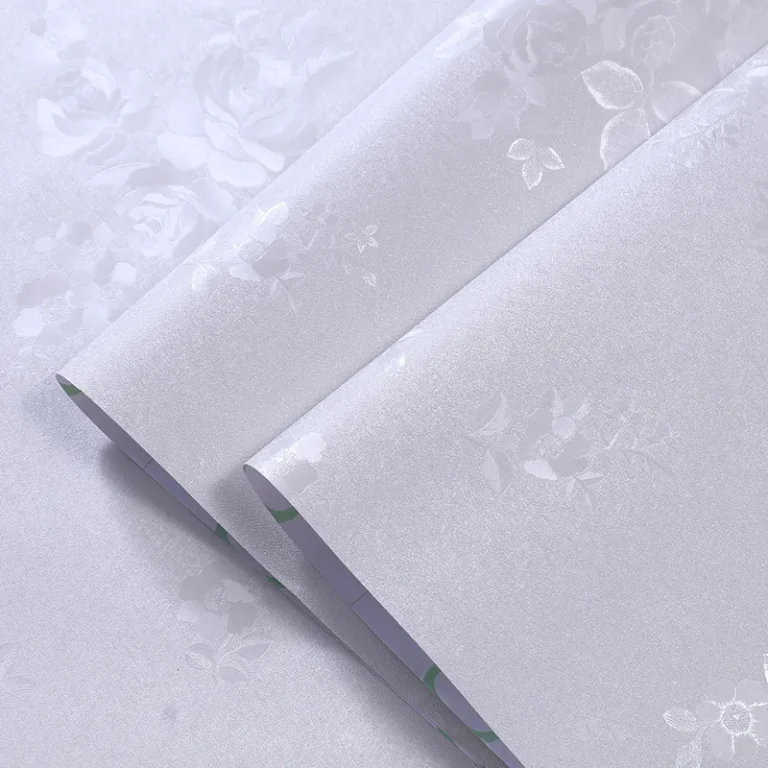
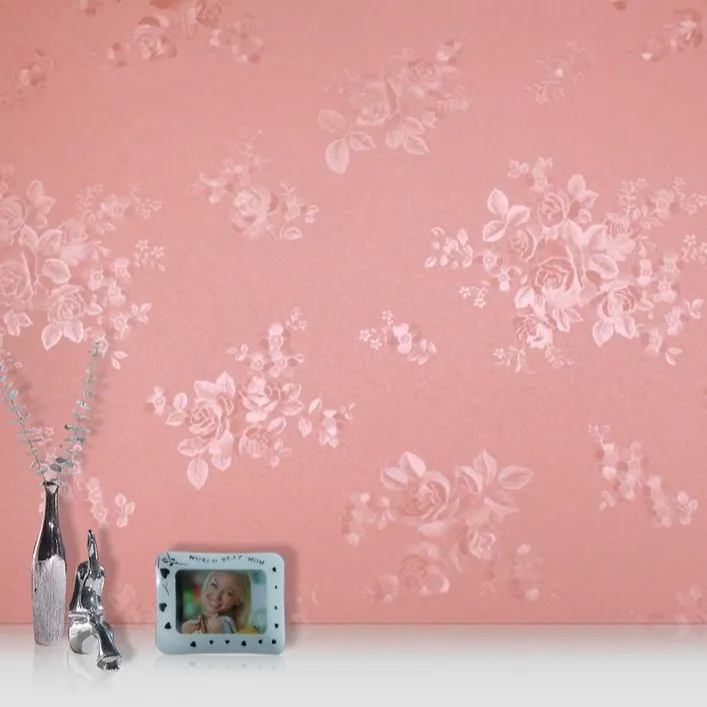
From frosted films for bathrooms to decorative patterns for storefronts, vinyl window film adds privacy without reducing natural light. French interior design trends often favor subtle textures and natural tones — films can mimic etched glass or patterned textures to match local tastes.
Compared with glazing replacement, films are fast to install and can be removed without damaging frames — ideal for rental apartments in cities such as Lyon or Marseille where tenants want improvements without permanent changes.
Living rooms with large street-facing windows, bathroom windows that need privacy, or heritage properties where window replacement is restricted — vinyl films offer practical, reversible solutions.
Retail shopfronts in French high streets use decorative films for branding and privacy. Offices apply solar-control films to reduce glare and improve employee comfort in open-plan spaces.
In many French communes, modifications to a building’s façade require permits. Because film is non-structural and reversible, it’s often the preferred option where preserving historic window frames is important.
| Type | Primary benefit | Typical lifespan | Best for |
|---|---|---|---|
| Clear protective | Scratch & glass protection | 5–10 years | Commercial doors, public buildings |
| Solar control (tinted) | Heat & glare reduction | 8–12 years | South-facing windows, offices |
| Frosted / privacy | Privacy while allowing light | 7–10 years | Bathrooms, street-level windows |
| Decorative / printed | Aesthetic & branding | 5–10 years | Shops, cafes, interior design |
| Safety / security | Holds glass on impact | 10+ years | Ground-floor windows, public buildings |
Decide whether you want privacy, solar control, safety, or decoration. Many products combine features (e.g., tinted + UV-blocking).
Look for measurable metrics: UV rejection (%), visible light transmission (VLT), and solar heat gain coefficient (SHGC) if energy performance is important.
Choose films with a clear manufacturer warranty and proven lifespans — higher-end films often cost more upfront but last longer in strong sun regions.
Simple decorative or frosted films can be DIY-installed using soapy water and a squeegee. For solar-control, safety, or large façades common in French commercial properties, professional installation ensures edge sealing and long-term performance.
In historic districts or apartments with regulated façades, confirm with your local mairie or building management before applying exterior films. Interior films typically have fewer restrictions.
Some films are nearly invisible; others are decorative by design. Choose samples or request swatches to see how different films affect daylight and colour temperature in your specific rooms.
Yes — many French homes already have double glazing and can still benefit from interior-applied films for extra solar control or privacy. For exterior film on insulated glass, consult a professional to avoid warranty or thermal stress issues.
Look for manufacturers and suppliers with full production control, clear technical datasheets, and global export experience. For example, Henan Pulivk New Materials Co., Ltd. offers calendering and printing lines with flexible OEM options and consistent quality—homeowners and businesses can request samples and tailored sizes via https://pvcfilmtec.com/.
Test a small area or order a sample to confirm appearance and adhesion.
Ask about installation services and recommended cleaning methods to protect lifespan.
Compare warranties and check for UV/heat performance data specific to your local climate in France.
Choosing the right vinyl window film can improve comfort, lower energy bills, and refresh interiors without the hassle of replacement. Whether you live in a historic Parisian flat or a sun-drenched home in the south of France, films provide flexible solutions tailored to local needs.