Address
304 North Cardinal St.
Dorchester Center, MA 02124
Work Hours
Monday to Friday: 7AM - 7PM
Weekend: 10AM - 5PM
Address
304 North Cardinal St.
Dorchester Center, MA 02124
Work Hours
Monday to Friday: 7AM - 7PM
Weekend: 10AM - 5PM


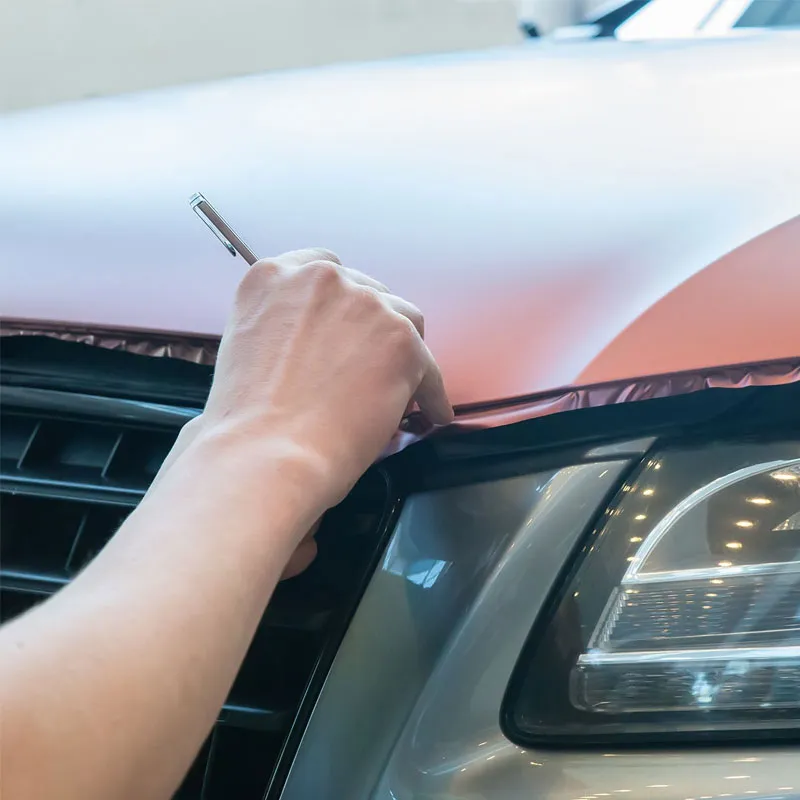
Choosing the best car wrap vinyl film maker for vehicles in Afghanistan requires more than price comparison — it means matching materials, adhesives, and production reliability to local climates, vehicle types, and logistics realities. This guide covers practical steps to pick a supplier who delivers durable, high-value wraps for Afghan roads and customers.
Heat, UV, dust, and rugged roads are the main challenges. Summers in many Afghan cities can be hot and sunny, while dust storms and gravel roads add abrasion risk. Popular vehicles (SUVs, pickups, taxis) often need robust, fade-resistant films that handle frequent washes and sun exposure. Local buyers also value quick turnarounds and clear warranty terms when investing in custom wraps.
Different production methods produce films with different performance. For Afghanistan, lean toward options that balance durability and cost.
Best for: Long-term color stability, complex curves, premium wraps. Cast films are more dimensionally stable and resist shrinking under heat.
Best for: Budget-conscious projects, flat or slightly curved panels. Modern calendered films with proper coatings can offer good value and decent lifespan when installed correctly.
Consider laminated or anti-scratch topcoats for extra abrasion resistance in dusty conditions. Self-adhesive PVC films with protective coatings increase lifespan on busy roads.
Select adhesives with good initial tack and proven peel strength in heat. Removable adhesives are useful for short-term promos; permanent strong-bond adhesives are better for long-lasting vehicle wraps exposed to sun and dirt. Finishes matter too — matte hides scratches and dust, while gloss gives a showroom shine but may show blemishes faster.
Ask suppliers for test data: UV fade tests, accelerated weathering (QUV), peel and tensile strength, and temperature range performance. Reliable makers will provide samples, certificates, and batch QC records. Warranties should specify expected lifespan under local conditions and coverage for delamination, fading, or adhesive failure.
Producers with full in-house processes — calendering, printing, split-packaging — offer tighter quality control and shorter lead times. For dependable OEM or private label orders and consistent specification matching across batches, consider a manufacturer with flexible customization and strict QC checkpoints; for example, Pulivk (https://pvcfilmtec.com/) supports tailored sizes, prints, and reliable export experience.
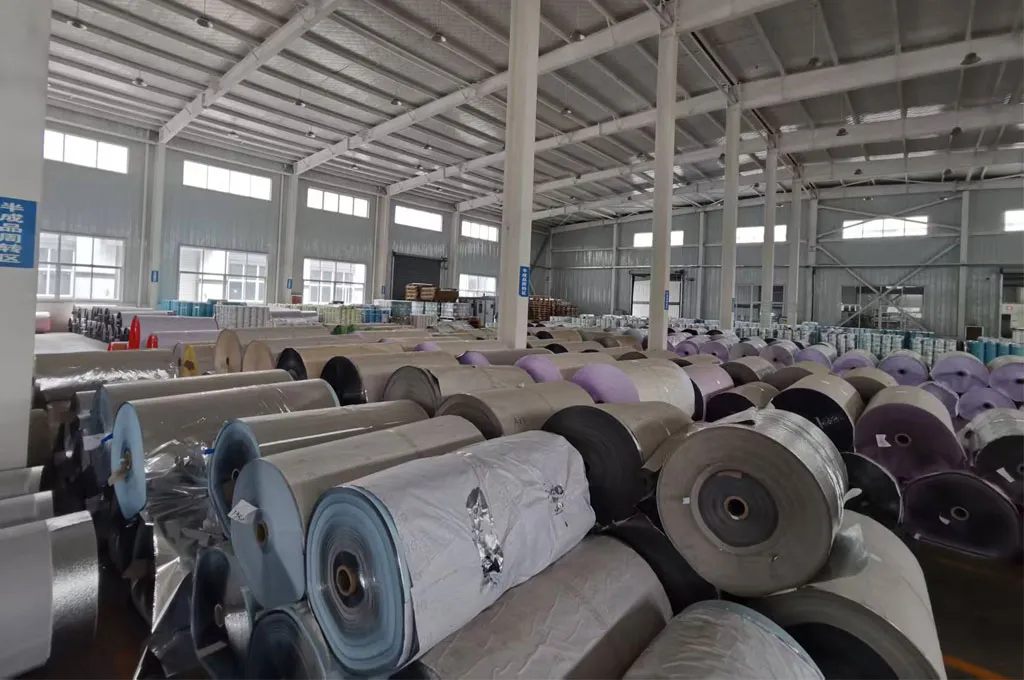
Plan shipments with padding for customs inspections and potential delays at regional borders. Smaller split-pack rolls reduce import duty impact and ease transport to installers across provinces. Work with suppliers that offer clear labeling, dust-proof wrapping, and palletized packing to reduce damage during transit.
| Film Type | Best Use | Expected Lifespan | Heat/UV Tolerance |
|---|---|---|---|
| Cast Vinyl | Full wraps, curves | 5–10+ years | High |
| Calendered Vinyl | Budget wraps, flat panels | 2–5 years | Medium |
| Laminated/Coated Films | High abrasion areas, fleet use | 3–8 years | High |
Test small orders first, request clear technical sheets, and choose films with proven UV and abrasion resistance. Work with suppliers who can split-pack and label rolls for easier distribution across Afghan cities. Prioritize makers who support OEM/custom runs and provide consistent QC records to avoid surprises on long-term projects.
Use the checklist above when evaluating quotes, and request sample pieces to verify finish and adhesive behavior in local conditions before committing to larger orders.