Address
304 North Cardinal St.
Dorchester Center, MA 02124
Work Hours
Monday to Friday: 7AM - 7PM
Weekend: 10AM - 5PM
Address
304 North Cardinal St.
Dorchester Center, MA 02124
Work Hours
Monday to Friday: 7AM - 7PM
Weekend: 10AM - 5PM


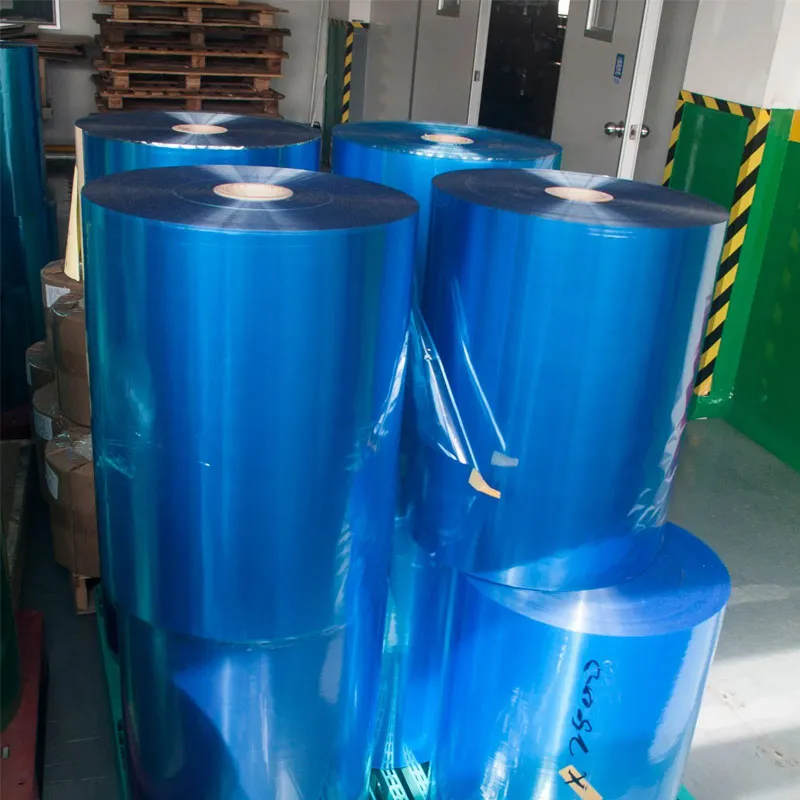
1400mm PVC film is a widely used roll width in the United States for decorative surfaces, packaging, signage, and industrial protective layers. This article explains common sizes, finishes, technical specs, and a practical buying guide aimed at contractors, fabricators, large-format printers, and product specifiers across the US market.
Although 1400mm (approx. 55 inches) is a standard width, buyers often pair this width with a range of thicknesses and roll lengths to match application needs. Below is a quick reference of popular combinations and typical uses in the US market.
| Width | Thickness (μm / mil) | Typical Roll Length | Main Applications |
|---|---|---|---|
| 1400 mm | 80–150 μm (3–6 mil) | 50–200 m (164–656 ft) | Decorative laminates, furniture wrap, cabinet doors |
| 1400 mm | 150–300 μm (6–12 mil) | 30–100 m (98–328 ft) | Protective film, temporary surface protection, heavy-duty wrapping |
| 1400 mm | 20–80 μm (0.8–3 mil) | 200–500 m (656–1640 ft) | Packaging film, labels, printable media for wide-format printers |
In the US, 1400mm works well with common cabinet, countertop, and furniture panel sizes, minimizing waste on sheet processing. Large-format printers and sign shops also favor this width because it fits many industrial printers and reduces seams on wide applications. Contractors and remodelers appreciate the balance between roll manageability and coverage for mid- to large-sized jobs.
PVC film is produced in multiple finishes to suit visual and functional needs:
Glossy — high reflectivity, used for modern cabinetry and furniture facades.
Matte / Silk — reduces glare and hides fingerprints for consumer-facing surfaces.
Wood grain, Marble, and 3D textures — popular for interior design projects and retail fixtures.
Anti-oil / Oil-proof — ideal for kitchen environments and surfaces exposed to grease.
When specifying 1400mm PVC film, consider these performance parameters:
Thickness: Influences durability, conformability, and cost. Thicker films resist puncture and abrasion but add weight.
Calendered vs. Cast: Calendered films are cost-effective and widely used for décor films; cast films often offer superior clarity and dimensional stability for high-end applications.
Adhesive and Backing: Self-adhesive or non-adhesive (for heat lamination) options exist—make sure adhesive type suits substrate and operating temperatures.
Printability & Ink Compatibility: If printing or digital decorating is planned, confirm compatibility with solvent, eco-solvent, UV, or latex inks used by US print shops.
Regulatory & Safety: For food-contact or medical uses, check relevant US regulations and request certification. Also verify additive risks such as plasticizers in vulnerable environments and consider local compliance.
Match the film to the project by answering these questions: What substrate will you cover? Is the surface flat or curved? Will the film be exposed to heat, grease, or UV? For installers in the US, check job-site conditions (indoor HVAC levels, outdoor exposure) before finalizing a spec.
Request samples and test adhesion on representative substrates. Confirm peel strength, heat resistance, and long-term colorfastness before a full roll purchase.
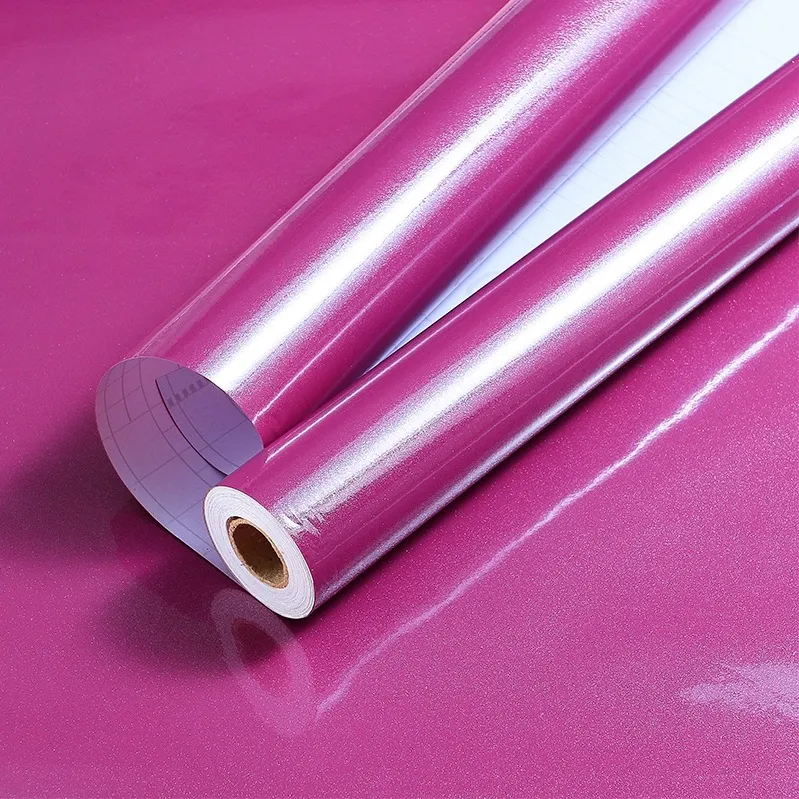
When importing or sourcing domestically, evaluate total landed cost: unit price, packaging, freight, customs clearance, and potential testing fees. For volume purchases, request split-packaging (smaller inner rolls) to simplify distribution across multiple US job sites and warehouses.
Pulivk — Henan Pulivk New Materials Co., Ltd. provides in-house calendering, printing, and split-packaging, enabling tailored sizes, printing, and controlled lead times. Contact their site for sample requests and OEM options.
MOQ and lead times vary by finish, thickness, and printing complexity. Smaller custom runs are possible but expect economies of scale: larger quantities reduce per-meter cost. Ask potential suppliers for a clear sample policy, packing method, and expected transit time to your US port or warehouse.
Confirm these items before placing an order: required width and thickness, finish and texture, adhesive type or lamination method, ink compatibility, regulatory needs, packaging (split or full roll), sample approvals, and expected delivery schedule.
For a tailored quote, sample, or OEM inquiries, request printed swatches and small test rolls to avoid surprises on site. A clear pre-production approval will save time and money on any US project.