Address
304 North Cardinal St.
Dorchester Center, MA 02124
Work Hours
Monday to Friday: 7AM - 7PM
Weekend: 10AM - 5PM
Address
304 North Cardinal St.
Dorchester Center, MA 02124
Work Hours
Monday to Friday: 7AM - 7PM
Weekend: 10AM - 5PM


 ByPulivk
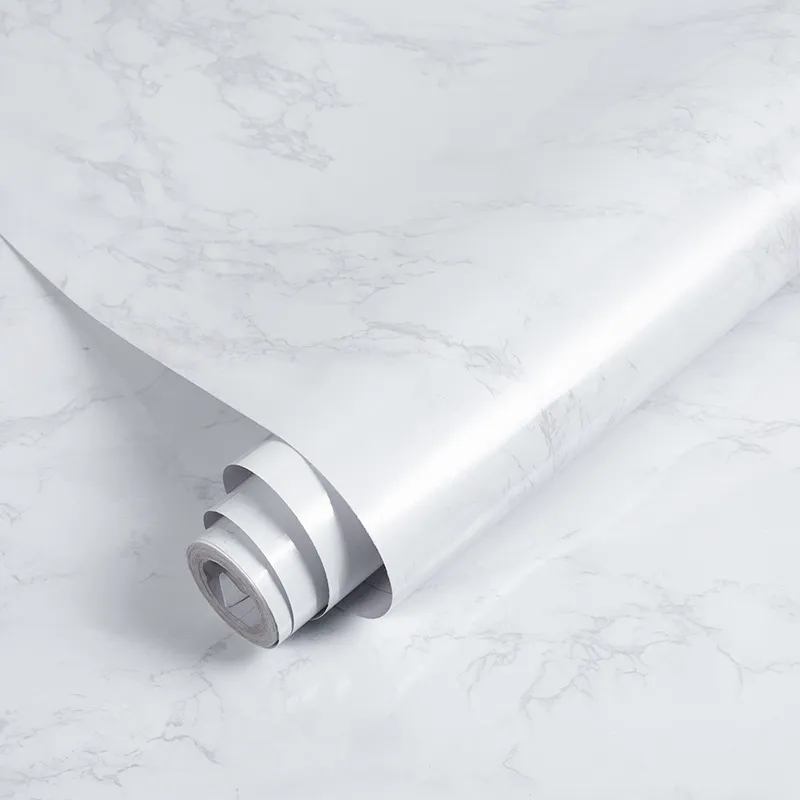
Custom heat insulation PVC film is an affordable, versatile solution for Argentina’s wide range of climates — from the chilly winds of Patagonia to the hot summers of the Gran Chaco. This guide explains benefits, common uses, product specs, and practical buying tips for homeowners, installers, and distributors across Argentine cities such as Buenos Aires, Córdoba, and Mendoza.
Argentina’s climate diversity means building owners need adaptable materials. Heat insulation PVC film reduces solar heat gain in summer and helps retain warmth in winter. It is lightweight, waterproof, and easy to apply — ideal for apartment balconies in Buenos Aires, glazed shopfronts in Córdoba, and energy-efficient retrofits in Patagonia homes.
Energy saving: Lower cooling and heating costs by reducing radiant heat transfer. Moisture resistance: Prevents condensation and protects substrates. Cost-effective retrofit: Applied directly to windows, walls, or furniture without major construction work.
Homeowners wanting lower utility bills, commercial landlords looking to improve tenant comfort, installers offering quick retrofits, and retailers seeking decorative yet functional film for display windows. For Argentines facing high summer sun or cold southern winters, these films are particularly suitable.
Heat insulation PVC films can be used in multiple scenarios across Argentina:
In Buenos Aires, where high humidity and heat are common, reflective PVC films with a light-color finish help reduce interior cooling loads and keep indoor surfaces comfortable. In the south, thicker matt films add an insulating layer on windows or doors, helping households keep heating bills in check during winter.
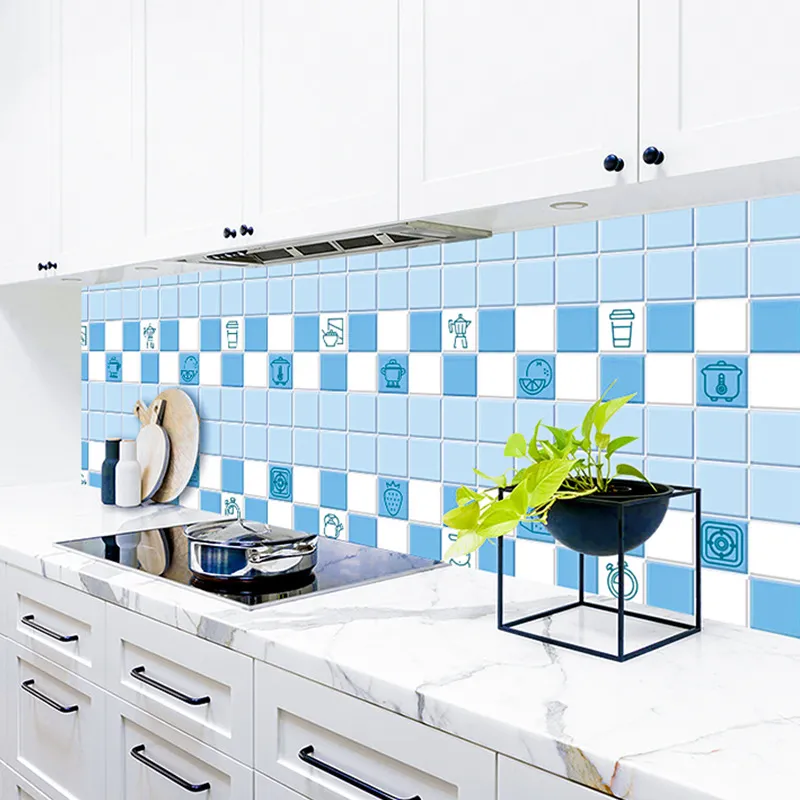
When selecting a heat insulation PVC film, check these technical details. The table below summarizes common options to help Argentine buyers compare quickly.
| Specification | Typical Range | Why it matters |
|---|---|---|
| Thickness | 50–500 µm | Thicker films = better insulation and durability |
| Width | 0.5–1.6 m | Fit standard windows and furniture sheets |
| Thermal performance (approx.) | R-value 0.1–0.5 m²·K/W | Improves surface temperature and energy use |
| Surface finish | Glossy / Matte / Textured | Choose for aesthetics and glare control |
| MOQ & lead time | Contact supplier — small batches available | Important for local installers and stockists |
Proper installation ensures long-term performance. Clean surfaces thoroughly, apply at moderate temperatures (avoid extreme heat or frost), and use a squeegee to remove bubbles. For coastal regions like Mar del Plata, select corrosion-resistant adhesives and perform routine cleaning to remove salt deposits. Maintenance is simple — wipe with mild detergent and avoid abrasive scrubbers.
Smaller home projects (cupboard wraps, interior window films) can be DIY. Large glazed façades or commercial installations should use professional fitters to ensure warranty and thermal performance. Ask your supplier about local installers experienced with PVC films in Argentina.
Look for UV resistance ratings, flame-retardant grades if required by local codes, and RoHS or other chemical-safety declarations. Durable films resist peeling and yellowing from strong UV in northern Argentina. Confirm expected lifespan (typically 5–10 years depending on exposure).
Follow these steps to make a smart purchase:
Smaller installers should request split-packaging rolls to fit local transport and storage. Confirm packaging protections for long transit to Argentina, and verify customs documentation to avoid delays. Local warehouses or regional distributors reduce delivery times.
For customers seeking full in-house production control and flexible OEM options, consider manufacturers with calendering, printing, and split-packaging capabilities and proven export experience to Southeast Asia, the Middle East, and Europe. One such supplier is Pulivk — contact them for custom sizes, colors, and private-label packaging.
Test a small area before committing to a full project, compare R-value improvements against local energy costs, and choose finishes that match interior design while delivering the required thermal benefit. With the right film and installation, Argentine buildings can enjoy improved comfort and lower energy bills year-round.