Address
304 North Cardinal St.
Dorchester Center, MA 02124
Work Hours
Monday to Friday: 7AM - 7PM
Weekend: 10AM - 5PM
Address
304 North Cardinal St.
Dorchester Center, MA 02124
Work Hours
Monday to Friday: 7AM - 7PM
Weekend: 10AM - 5PM


Germany’s furniture and interior-fit-out market is known for precision, long service life, and a strong preference for clean, functional design. Whether you supply kitchen manufacturers in NRW, shopfitters in Bavaria, or renovation contractors working on Altbau apartments in Berlin, one material keeps appearing in modern surface solutions: PVC decorative film. It delivers consistent aesthetics, scalable production, and practical performance for doors, panels, skirting, and wall surfaces.
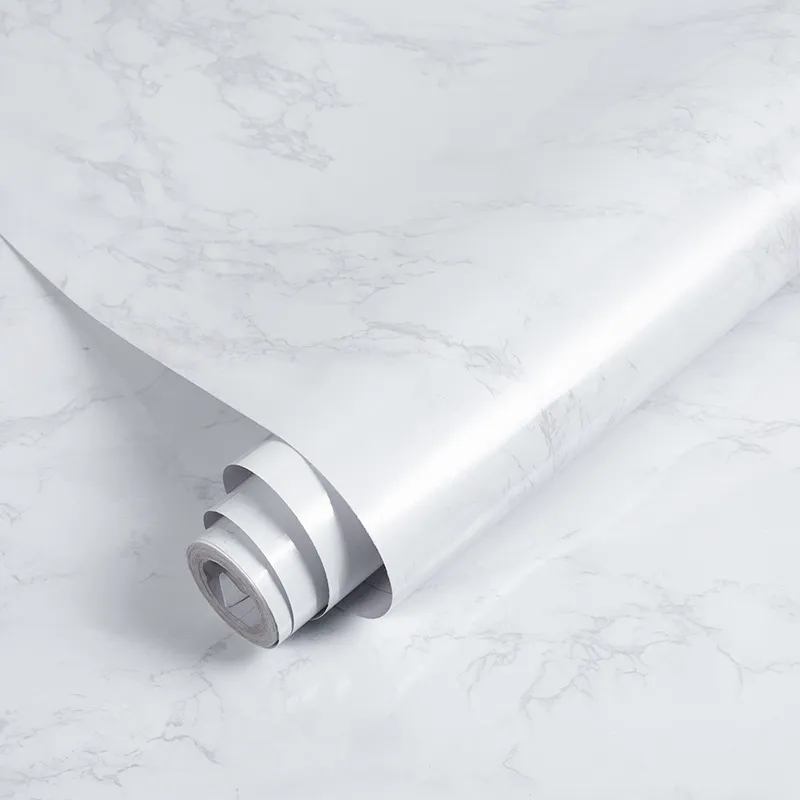
This guide is written for buyers searching for a Germany supplier perspective—what wholesalers and manufacturers should provide, how to choose the right film structure and finish, and how to plan reliable procurement for German workflows where punctuality, documentation, and predictable quality matter.
In Germany, surfaces are not only judged by looks, but also by how they behave in daily use—especially in kitchens, rental apartments, offices, and retail. A dependable PVC decorative film supplier should support you with stable batches, clear specifications, and packaging that arrives clean and undamaged.
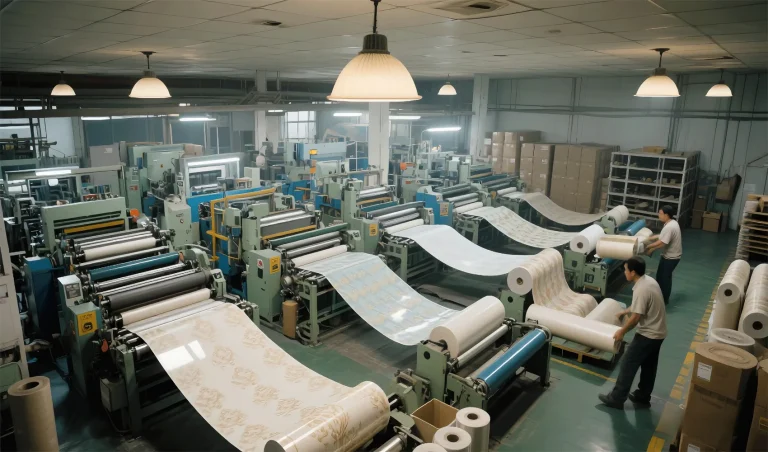
Pulivk Film focuses on R&D and production of PVC films, covering calendered film, decorative film, flooring film, soft-touch film, transparent film, and more. For German wholesalers and OEM buyers, the core value is full-process control—so lead times, performance, and repeatability are easier to manage.
With integrated calendering, printing, and slitting & packaging, production can be controlled from raw material to finished rolls. This approach typically helps reduce avoidable variation and supports tighter delivery windows—important when German customers schedule installation teams and shopfitting timelines weeks ahead.
Transparent, frosted, embossed, pearlescent, colored, anti-static, self-adhesive films; single-layer and multi-layer composites; fabric-backed films; packaging and release films; automotive interior films and more.
For buyers sourcing base material for further converting, you can review a typical base category such as
Calendered Film
and then define surface/printing requirements for your end-use.
Decorative PVC film is not “one product.” Germany’s interior market ranges from minimalist matte kitchens to warm oak tones for living rooms, and from high-traffic retail to moisture-prone bathrooms. Choosing correctly means aligning visual style, touch feel, and functional performance with the substrate and application method.
Many German interiors favor restrained palettes, authentic textures, and surfaces that are easy to maintain. Commonly requested patterns include:
German buyers often specify finish for both aesthetics and practicality. A matte surface can reduce fingerprints under strong daylight, while a high-gloss option can elevate retail fixtures if cleaning routines are consistent. Embossed and 3D textures add realism and can help hide minor handling marks.
If you target texture-led upgrades for interior panels, a specialty line such as
3D Silk Texture Film
can help differentiate collections without changing core substrates.
In Germany, renovation and interior refresh projects often require fast installation with minimal mess. PVC decorative film supports a wide range of surfaces when specified correctly.
For wholesalers and distributors, the “best-looking sample” is not enough. What matters is how rolls behave in real production and how reliably your supplier can deliver repeat orders. Pulivk’s model emphasizes process coverage and QC checkpoints from raw materials to finished rolls.
Each roll can be slit and packaged per customer request, then individually wrapped with dust-proof PE film or kraft paper and labeled with specifications. For EU-bound shipments, this approach reduces claims related to edge damage, contamination, and warehouse handling.
A practical incoming checklist helps German buyers protect downstream timelines. Typical checks include thickness stability, surface defects, adhesion behavior, and visual consistency under standard lighting conditions.
Germany has a strong culture of private label distribution and brand-led collections. OEM/ODM is most effective when it supports a clear catalog strategy: a stable base of best-sellers plus seasonal or project-based additions.
When requesting a quotation, prepare one “technical line” per item: substrate type, application method (lamination/wrapping), target finish, thickness range, width, roll length, and estimated annual volume. This reduces back-and-forth and speeds sample approval.
German buyers frequently ask how films behave indoors, whether inks are safe, and how documentation aligns with EU requirements. Pulivk uses eco-friendly, non-toxic inks to support indoor decoration and human-contact applications, and emphasizes durability to maintain performance even in demanding environments.
For compliance-driven sourcing, many buyers also request alignment with systems and frameworks such as ISO management and EU chemical restrictions. Third-party reports and certifications can be provided where required for tender documentation and long-term supply programs.
Germany’s interiors are heavily influenced by practical living: frequent cooking, compact urban apartments, and a strong rental market where durable surfaces reduce maintenance. PVC decorative films are widely selected for areas that must stay presentable with routine cleaning.
Kitchens are among the highest-wear areas. Buyers often prioritize films that support easier cleaning and stable appearance across cabinet programs. For specific kitchen surface needs, functional product options can be discussed alongside decorative lines to match performance to the user environment.
In many German cities, landlords and renovation teams aim for fast turnaround between tenants. Films with stable, neutral colors and reliable converting performance are commonly used for cabinetry faces, hallway panels, and quick interior refresh projects—helping deliver a clean “move-in ready” look.
Shopfitting and office projects often require uniformity across multiple sites. A wholesale manufacturer that can maintain color consistency and predictable delivery cycles supports rollout schedules and reduces rework risk.
Wholesale procurement is easiest when sampling and order planning follow a structured path. German purchasing teams typically prefer documented approvals and repeatable specifications for each SKU.
If you need formal resources (product range, knowledge notes, or RFQ routing), use the official pages:
Product,
Knowledge,
and
Contact.
For the German market, PVC decorative film is most successful when it delivers repeatable aesthetics, reliable converting, and documented quality. A wholesale manufacturer with full-process capability—calendering, printing, and slitting/packaging—can reduce supply risk, shorten lead times, and support OEM programs for furniture and interior surfaces. When design selection is aligned with German tastes (clean neutrals, authentic textures, practical finishes) and orders are planned with clear specifications, buyers can scale confidently across projects and product lines.
It’s commonly used for furniture surfaces (cabinet doors, wardrobes, panels), interior decoration (wall and partition surfaces), and finishing elements like skirting, providing consistent design and easier maintenance.
Yes. OEM/ODM programs can customize specifications, color/pattern printing, surface finishes, and packaging to match private-label catalogs or project requirements.
Consistency is supported through full-process production control, multi-step QC from raw materials to finished rolls, batch traceability, and specification-based manufacturing using approved reference samples.
MOQ and lead time depend on film type, dimensions, and customization level. Many suppliers support both trial orders and mass production; sharing your target specification and quantity enables a precise schedule.
Many PVC decorative films are designed for indoor applications and can be supported with compliance documentation (e.g., REACH/RoHS readiness) and material safety information, depending on the exact product and project requirements.