Address
304 North Cardinal St.
Dorchester Center, MA 02124
Work Hours
Monday to Friday: 7AM - 7PM
Weekend: 10AM - 5PM
Address
304 North Cardinal St.
Dorchester Center, MA 02124
Work Hours
Monday to Friday: 7AM - 7PM
Weekend: 10AM - 5PM


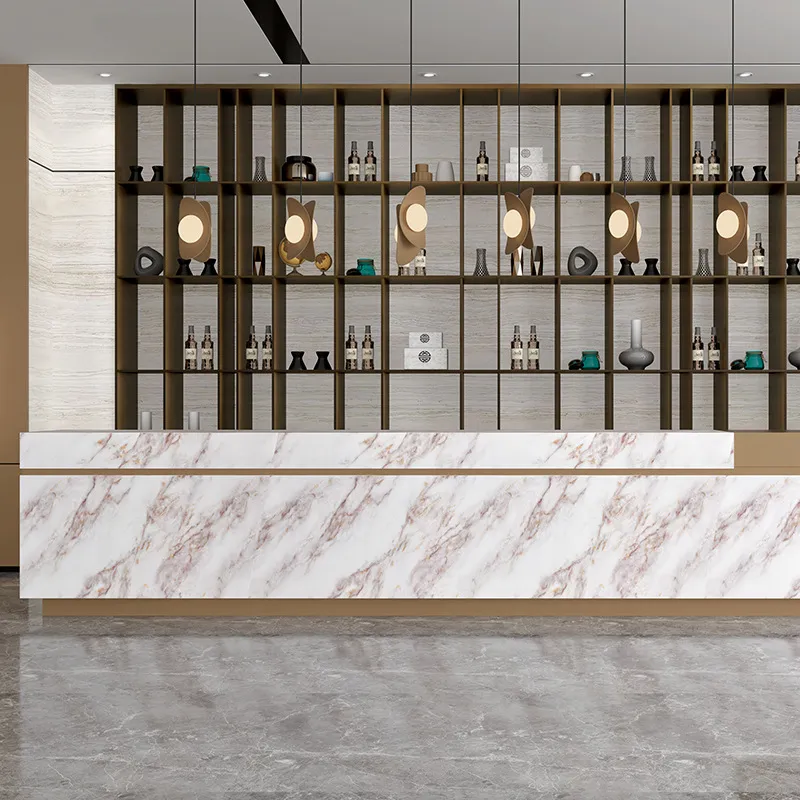
Deciding whether to set up a heat insulation PVC film manufacturing factory in Argentina depends on project scale, market needs across provinces (from Buenos Aires to Patagonia), and the balance between local responsiveness and cost-efficiency. This guide helps Argentine buyers, contractors, and import managers weigh the trade-offs and choose the right supply route for heat-insulating PVC film.
Argentina’s diverse climate — hot summers in the north, cold winters in Patagonia, and high energy costs in urban centers — creates steady demand for thermal control materials in construction, transport, and retrofit projects. Local building renovations, the expanding DIY market, and government energy-efficiency initiatives push demand for insulating films, skirting films, and thermal barrier laminates that are easy to install and deliver measurable savings on heating and cooling.
Faster lead times for domestic customers and installers, lower inland transport costs to major cities like Buenos Aires, Rosario and Córdoba, and easier compliance with local standards (including any IRAM-related specs).
Local manufacturing also improves responsiveness for small orders, custom colors or patterns tuned to Argentine tastes, and on-site trials with installers. For public-sector or large multi-site renovations where local content can be advantageous, a domestic factory reduces procurement friction.
| Factor | Local Argentine Factory | Import / Overseas Manufacturer |
|---|---|---|
| Lead time | Shorter for small-to-medium orders within Argentina | Longer (sea freight + customs), but predictable for large volume contracts |
| Unit cost | Higher labor/raw-material cost risk; benefits for low-volume customization | Lower per-unit price at scale and when produced with advanced equipment |
| MOQ & flexibility | Lower MOQ, easy small-batch runs | Higher MOQ but strong economies of scale and inventory options |
| Quality control | Direct oversight for local clients, but depends on tech level | Often stricter QC with modern calendering/printing lines at established exporters |
| Logistics & tariffs | Lower domestic transport, potential state incentives | Import duties, shipping windows, but cheaper per-unit freight for large loads |
| Customization & OEM | Better for quick custom prints and regional finishes | Strong OEM support for branded runs and complex composites |
• Your project requires frequent small batches, fast turnarounds, or rapid design changes for regional customers.
• You prioritize on-site technical collaboration with suppliers, or you need products adapted to local climates and installer preferences.
• Procurement rules, public tenders, or local-content incentives favor Argentine-made products.
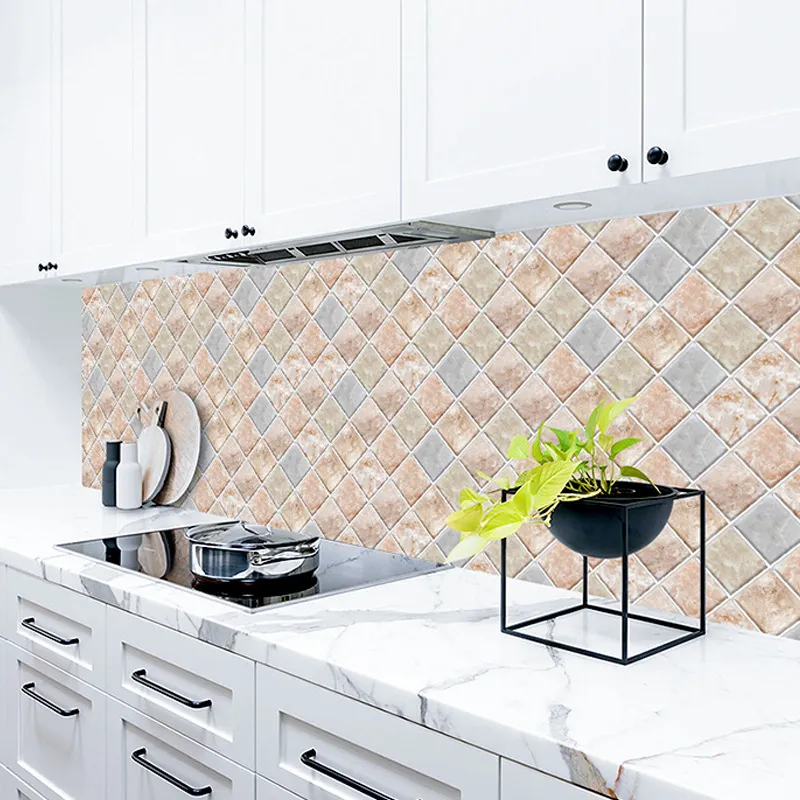
• You need large-volume shipments with competitive unit pricing and advanced product varieties (multi-layer composites, anti-scratch, pearlescent or 3D relief finishes).
• You require strict, repeatable quality control from full in-house production lines with calendering, printing and automated split-packaging—typical strengths of long-established exporters.
• Confirm production capabilities (calendering, printing, split-packaging) and QC checkpoints.
• Ask for lead-time guarantees and shipping examples to Buenos Aires or nearby ports.
• Request sample rolls for climate and adhesion testing in both humid and cold Argentine conditions.
• Compare total landed cost (unit price + freight + duties) versus local factory pricing.
• Verify OEM and customization support, including labeling suitable for Argentine regulations.
For buyers weighing an overseas partner, consider manufacturers with proven export experience and full in-house production to control raw-material sourcing and quality. One such option is Pulivk, which highlights full in-house production (calendering, printing, split-packaging), cost-effective manufacturing, flexible OEM/customization, and stable lead times—advantages that make importing attractive when ordering at scale.
If your project is focused on rapid local distribution, customized small batches, or public procurement with local content preferences, investing in Argentine manufacturing capacity may be the best route. If your priority is a wide product range, the lowest per-unit cost for large runs, or access to advanced film technologies, importing from an experienced exporter with full production control is likely more economical. Evaluate total landed costs, lead-time needs, and the importance of customization before deciding.