Address
304 North Cardinal St.
Dorchester Center, MA 02124
Work Hours
Monday to Friday: 7AM - 7PM
Weekend: 10AM - 5PM
Address
304 North Cardinal St.
Dorchester Center, MA 02124
Work Hours
Monday to Friday: 7AM - 7PM
Weekend: 10AM - 5PM


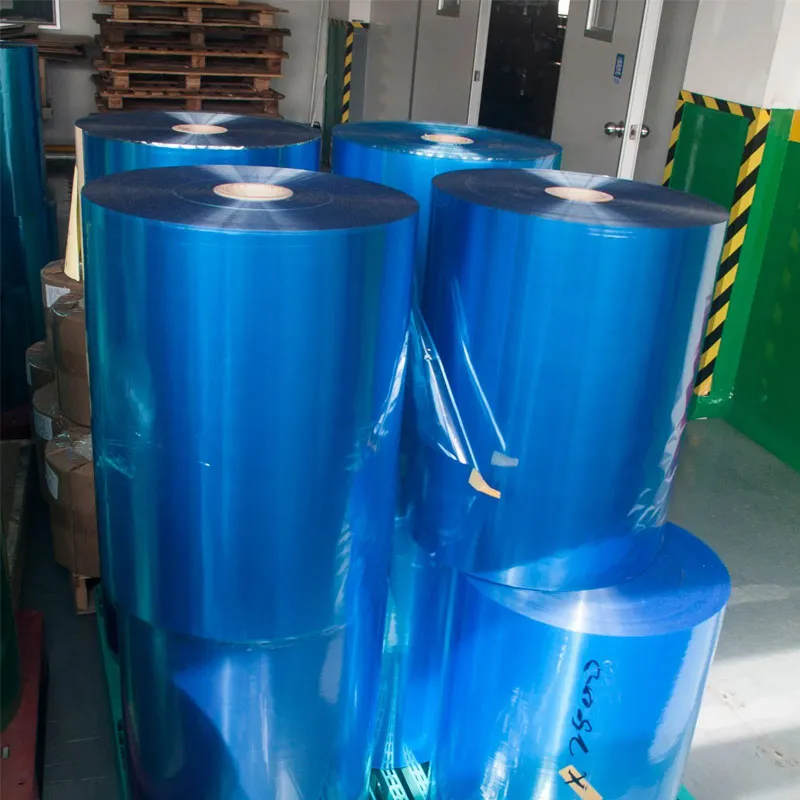
Wholesale laser PVC film is a practical way for packaging converters, label printers, and laminators to add a premium “holographic” effect without sacrificing production speed or consistency. Whether you need shimmering rainbow highlights for retail packaging, security-like brilliance for branded labels, or eye-catching finishes for lamination, high-quality holographic PVC sheets can help your products stand out on crowded shelves while remaining durable in handling, transport, and display.
✔ Quick definition:
Laser PVC film (often called holographic PVC film) is a PVC-based sheet or roll material that features a light-diffracting pattern, producing shifting colors and metallic sparkle under different angles.
✔ Why it’s used:
It delivers high visual impact, supports printing/lamination workflows, and can be tailored by thickness, finish, and pattern for packaging, labels, and decorative surface solutions.
In day-to-day converting, “high-quality” is less about a single spec and more about how the film behaves across printing, cutting, laminating, and final use. A dependable holographic PVC sheet should keep its optical effect consistent across the roll, stay flat for feeding, and resist common defects like haze, unstable embossing, and edge curl.
Laser PVC film is chosen when brands want a premium appearance with practical durability. Below are the most common use scenarios, along with the production considerations that typically matter most to buyers.
Holographic PVC sheets are used for outer wraps, window effects, premium sleeves, and decorative layers. For converters, the biggest success factors are flatness, uniform sparkle, and stable bonding with adhesives or lamination films.
If your packaging includes folding lines or tight wraps, specifying the right softness and thickness helps prevent whitening at creases and keeps corners neat.
For label stock, laser PVC film gives a high-end, reflective finish that works well for cosmetics, personal care, seasonal items, and limited editions. It also supports bold color contrast and helps small text look sharper under store lighting when paired with appropriate printing and topcoat choices.
Practical note: label converting often needs consistent release/adhesion behavior and predictable die-cutting. Choosing a stable film base and well-controlled slitting reduces edge lift and registration issues.
When used as a lamination layer, holographic PVC can deliver both a visual upgrade and a protective surface. This is useful for printed boards, promotional panels, and decorative sheets that see frequent handling.
If your lamination line runs fast, the key specs are heat resistance window, dimensional stability, and adhesive compatibility.
Wholesale purchasing becomes easier when specs are tied directly to the converting process. A film that looks great in sampling can still cause downtime if thickness, hardness, or winding is not aligned with your equipment.
When you buy laser PVC film in wholesale quantities, the supplier’s process control directly affects your scrap rate and delivery reliability. A manufacturer with integrated calendering, printing, and slitting/packaging can control quality at each step and respond faster when you need changes to widths, surface patterns, or packaging labels.
Pulivk Film focuses on PVC film R&D and manufacturing, supplying multiple PVC film types for furniture, construction, electronics, advertising, medical, and home-use industries. With complete production lines for calendering, printing, and slitting/packing, the workflow can cover raw material processing through finished rolls—helpful for shorter lead time and stable batch-to-batch output.
For buyers who need predictable inbound quality, this end-to-end control also supports tighter QC checkpoints and traceability across batches.
Many packaging and lamination projects start with standard calendered PVC and later upgrade to holographic effects once the brand wants stronger shelf presence. If your priority is cost control and a clean base for printing, standard calendered PVC is often the first choice. When you need premium shimmer, seasonal aesthetics, or a “limited edition” look, laser PVC film becomes a high-impact add-on.
Start with a stable base film and confirm your converting parameters, then switch to a holographic structure once thickness/adhesion/printing are verified. If you are evaluating base materials, you can review a typical calendered option here:
https://pvcfilmtec.com/product/calendered-film/
For buyers running multiple SKUs, this method reduces trial costs while keeping the door open for high-end finishes.
Wholesale buyers rarely want a one-size-fits-all product. The best results come from matching the optical pattern, surface treatment, and converting specs to your brand style and production line. With OEM/ODM support, laser PVC film can be tailored by thickness, width, roll size, pattern direction, printing compatibility, and packaging method.
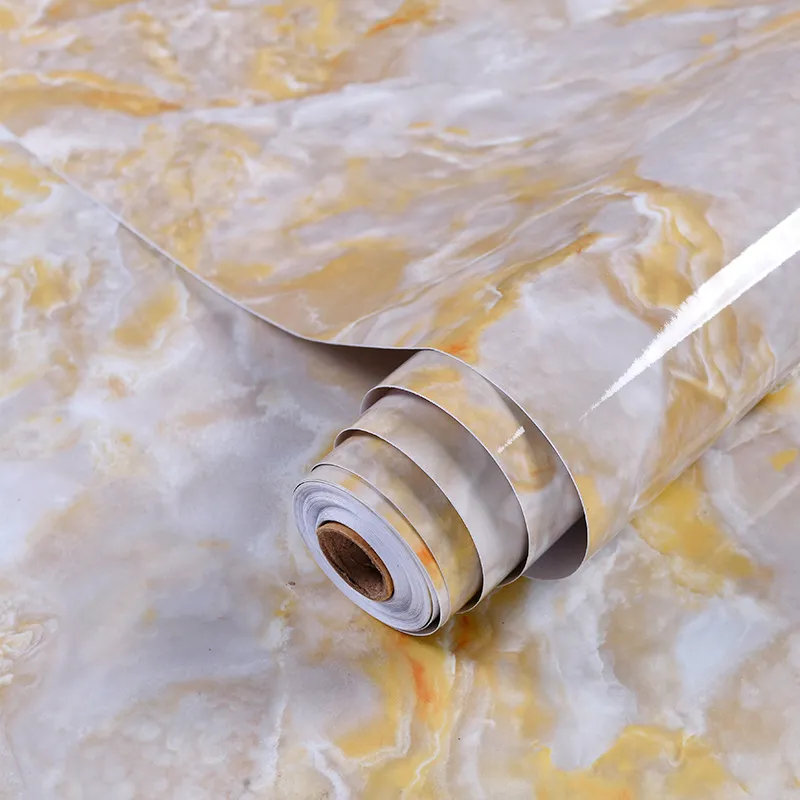
If you also develop decorative surfaces beyond packaging—such as interior panels or furniture wraps—textured PVC options can complement holographic lines in your product portfolio. For example, a tactile decorative film like:
https://pvcfilmtec.com/product/3d-silk-texture-film/
can be positioned as a “soft luxury” alternative when holographic shine is not desired.
Packaging and labeling projects often touch regulated supply chains. For that reason, buyers usually ask about material safety, restricted substances, and factory quality systems. A credible supplier should be able to provide documentation and test reports where required, and explain how QC is implemented from incoming raw materials to final rolls.
Holographic surfaces can be sensitive to scuffing and contamination, so export-ready packing is not optional for wholesale shipments. Each roll is typically individually wrapped (dust-proof PE film or kraft paper), labeled clearly with specs, then packed to control moisture and impact. This is especially important for long-distance sea freight where temperature and humidity fluctuate.
Ask your supplier to confirm: roll edge protection, carton/pallet standards, humidity control method, and whether each roll includes a spec label (thickness, width, length, batch). These small details can prevent costly claims and rework.
Many wholesalers and distributors bundle holographic PVC with other decorative or functional PVC films to serve multiple customer segments. If your buyers include interior decoration, furniture manufacturing, or flooring contractors, it can be efficient to source a broader range of SKUs from one factory and unify QC standards.
Wood grain decorative film for cabinetry and panels:
https://pvcfilmtec.com/product/wood-grain-film/
Floor protection & decorative flooring film for renovation and commercial spaces:
https://pvcfilmtec.com/product/floor-film/
If you’re building a catalog, keeping consistent roll widths, packaging labels, and lead-time planning across these categories can simplify warehousing and improve reorder speed—especially for distributors serving multiple industries at once.
To quote wholesale laser PVC film accurately, a supplier typically needs your target application (packaging, labels, or lamination), the preferred thickness/width/roll length, surface effect, and estimated quantity. If you already have a baseline film you’re matching, sending a small reference sample can speed up color and effect alignment.
PVC film is a thin sheet made from polyvinyl chloride used for decorative, industrial, and packaging purposes. Laser PVC film adds a holographic light-diffraction pattern to the PVC surface, creating rainbow-like reflections for premium visual impact.
Yes. OEM/ODM customization commonly includes thickness, width, roll size, slitting, surface finish (glossy/matte/embossed), functional treatments (such as anti-static), and packaging/labeling for warehouse management.
MOQ depends on film type, thickness, width, and customization level. Many manufacturers support both small trial orders and large-scale production; sharing your target specs is the fastest way to confirm MOQ.
Consistency typically comes from full-process control (calendering/printing/slitting), incoming raw material checks, in-process inspections (thickness and optics), finished-roll testing (strength/adhesion/appearance), and batch traceability with clear labeling.
Global shipping is common for PVC film suppliers. Export packing usually includes individual roll wrapping (dust-proof PE film or kraft paper), spec labels, edge protection, and moisture/damage protection suitable for sea or air freight.