Address
304 North Cardinal St.
Dorchester Center, MA 02124
Work Hours
Monday to Friday: 7AM - 7PM
Weekend: 10AM - 5PM
Address
304 North Cardinal St.
Dorchester Center, MA 02124
Work Hours
Monday to Friday: 7AM - 7PM
Weekend: 10AM - 5PM


 ByPulivk
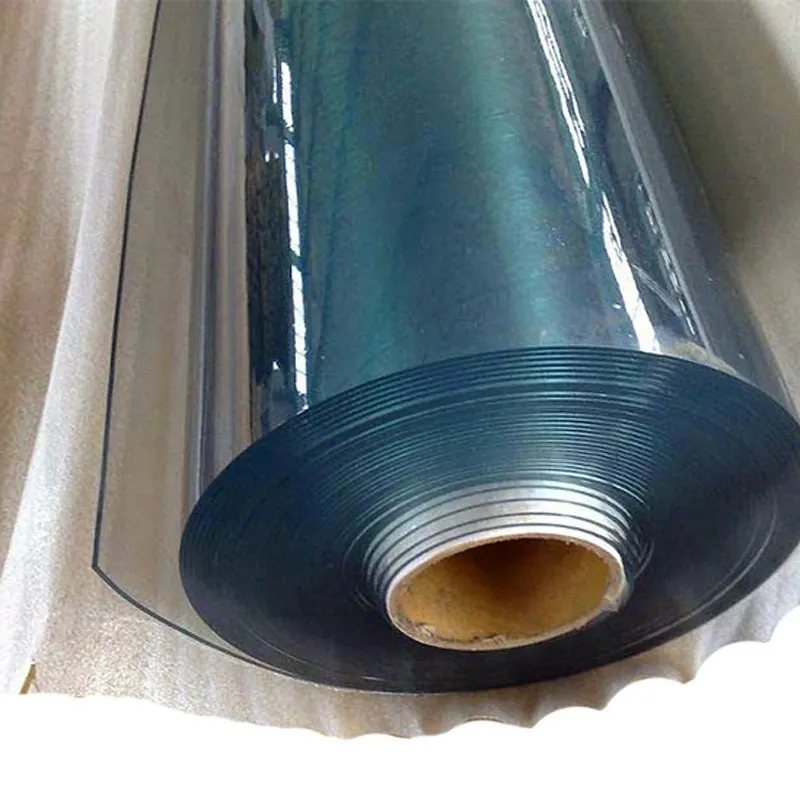
The United States market demands versatile, high-performance materials for decoration, protection, and packaging — and custom flexible PVC film delivers on all fronts. This guide walks buyers, specifiers, and DIY enthusiasts through the main types, common applications across U.S. regions, and a practical buying checklist so you can select the right film for your project or product line.
Flexible PVC film comes in many finishes and constructions to match aesthetic and performance needs. Below are the most requested types and what they do best.
Calendered films are produced on calendering lines to deliver consistent thickness and wide-format rolls — ideal for furniture wraps, door skins, and skirting membranes. They are cost-effective for large surface coverings.
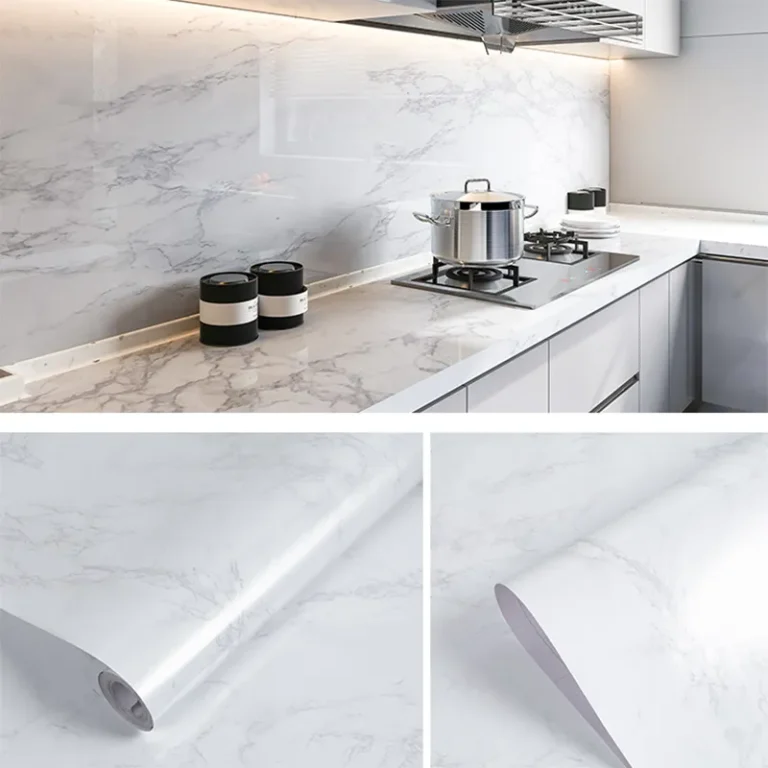
Printed or embossed for realistic visuals, these films are popular in residential kitchens, cabinetry, and retail fixtures where a premium look is needed without the cost of natural materials.
Designed to protect surfaces during transport, installation, or everyday use. Anti-oil kitchen films and floor-protective films are durable and easy to remove without residue.
With adhesives formulated for secure bonding and clean removal, these films are perfect for temporary branding, car stickers, and renovation projects favored by U.S. DIYers.
| Type | Finish | Typical Thickness | Typical Uses |
|---|---|---|---|
| Calendered PVC | Glossy / Matte | 60–500 µm | Furniture wrap, skirting, wall film |
| Wood/Marble Printed | Textured / 3D | 80–300 µm | Cabinets, countertops, decorative panels |
| Anti-oil / Kitchen | Matte / Semi-gloss | 100–250 µm | Backsplashes, counters, appliance protection |
| Self-adhesive | Various | 50–200 µm | Stickers, protective masking, labels |
From humid Gulf Coast climates to chilly northern states, U.S. buyers value performance and compliance. Flexible PVC film finds steady demand in:
Residential renovation: Easy-to-install cabinet wraps, skirting membranes, and floor-protective films that suit homeowners and contractors.
Commercial interiors: Retail fixtures, office partitions, and hospitality surfaces benefit from decorative and durable finishes.
Automotive & marine: Self-adhesive and protective films for wraps, decals, and interior trims that must withstand sun, salt, and abrasion.
Packaging & industrial: Food-safe films, peelable protective layers, and antistatic materials for electronics handling.
U.S. buyers often request documentation for compliance with VOC, FDA food-contact, and fire/smoke performance standards. If you plan to sell or use films in regulated sectors, ask suppliers for test reports and material declarations.
When comparing products, look at:
Thickness & tensile strength — affects durability and conformability over textured surfaces.
Adhesion & removable properties — critical for peelable films and vehicle graphics; choose adhesives suited to substrates.
UV and weather resistance — essential for exterior exposure and marine use.
Chemical and oil resistance — kitchen and industrial films must resist staining and cleaning agents.

Follow a clear procurement process to reduce risk and improve product fit:
1. Request samples and test them — apply to your actual substrate, check adhesion, appearance, and removal behavior.
2. Confirm certifications — request FDA, REACH, RoHS, or other relevant test reports for your end use.
3. Understand MOQ & lead times — many producers offer split-packaging and tailored roll lengths; confirm minimum orders and batch consistency.
4. Clarify customization options — colors, prints, embossing, and special coatings (anti-oil, anti-static) may require separate tooling or minimum runs.
5. Inspect packaging & logistics — protective wrapping, labeling, and palletization affect transit safety, especially for international shipments.
| Checklist Item | What to Ask |
|---|---|
| Sample Availability | Can I get printed/embossed samples in my color? |
| Quality Control | What QC checkpoints and reports are provided? |
| Customization | Minimum order for custom colors, prints, or adhesives? |
| Compliance | Can you supply relevant test certificates for my market? |
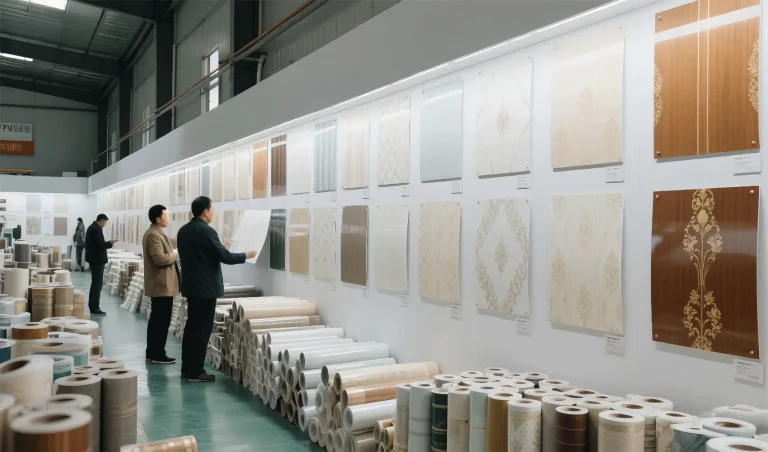
Pulivk operates full in-house production with calendering, printing, and split-packaging lines to ensure production control, flexible OEM services, and stable lead times. This setup supports tailored sizes, colors, and packaging for export markets including North America.
To manage cost, consolidate orders by finish or color where possible. Ask suppliers about split-packaging to reduce inventory strain. For imports, compare FOB vs CIF quotes and confirm HS codes and tariff treatments to avoid surprises at U.S. ports.
Request technical data sheets and recommended adhesives for each film type. Proper surface preparation and temperature conditions make installations last longer. Ensure your supplier offers replacement policies or defect warranties for commercial projects.
Balance aesthetic goals with technical requirements: request samples, verify certifications, and confirm packaging and shipping details before placing a bulk order. The right flexible PVC film can deliver big savings and quality finishes across U.S. projects — from coastal remodels to Midwest retail fit-outs.