Address
304 North Cardinal St.
Dorchester Center, MA 02124
Work Hours
Monday to Friday: 7AM - 7PM
Weekend: 10AM - 5PM
Address
304 North Cardinal St.
Dorchester Center, MA 02124
Work Hours
Monday to Friday: 7AM - 7PM
Weekend: 10AM - 5PM


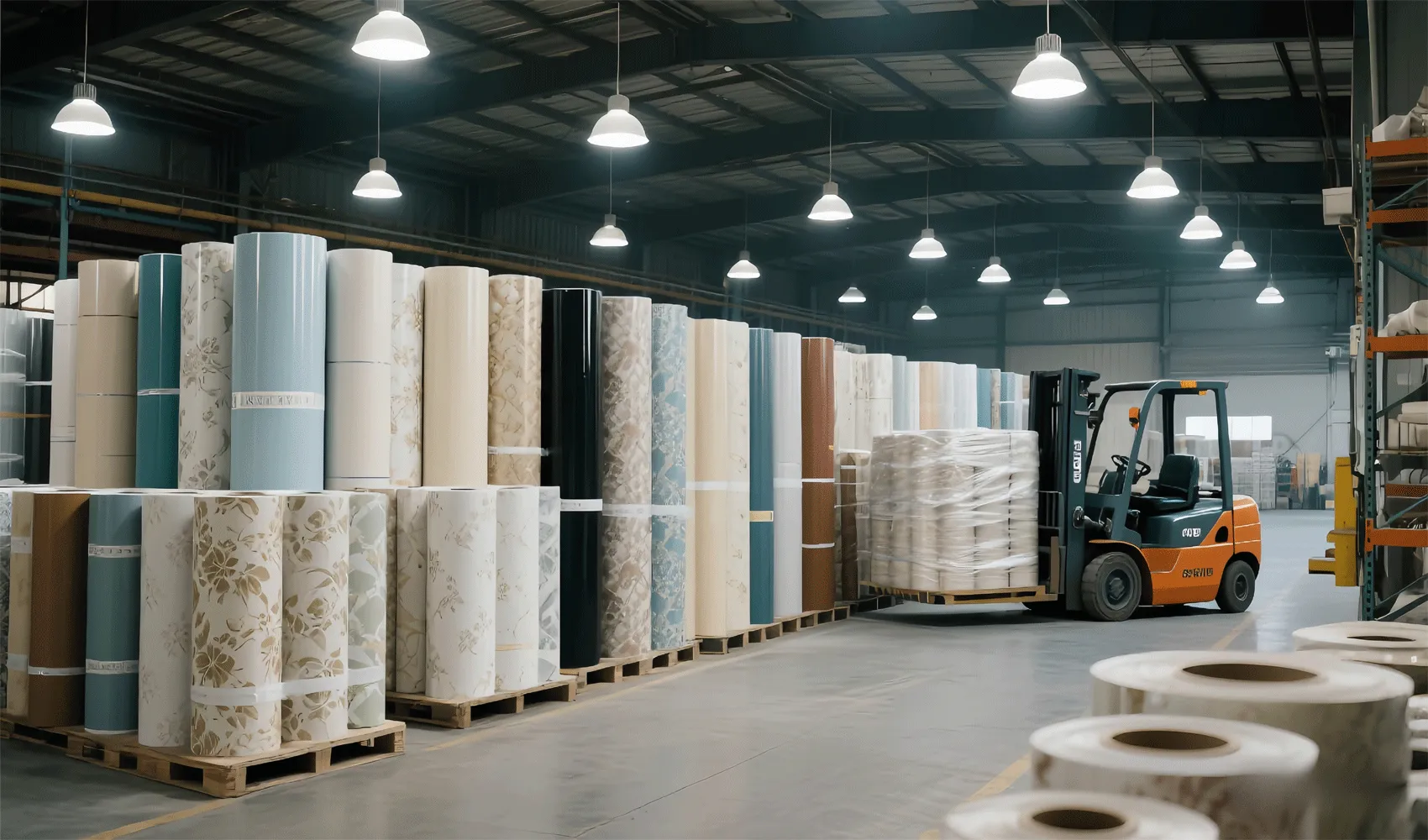
In Sierra Leone’s tropical climate—where humidity, coastal salt air, and heavy seasonal rains are everyday realities—durable PVC coated fabrics and calendered PVC films offer a practical, long-lasting solution for tarpaulins, market stall covers, truck curtains, awnings, and protective linings. These materials balance cost-effectiveness with weather resistance and are widely used by small business owners, fisheries, NGOs, and the construction sector across Freetown, Bo, and regional communities.
Waterproof and corrosion resistant – PVC coatings create a reliable barrier against rain and splashes, essential for protecting goods and outdoor workspaces. The salt-laden breeze along the coast also makes anti-corrosion coatings particularly valuable for fishing gear covers and dockside storage.
UV and mildew protection – Prolonged sun exposure and high humidity accelerate material aging. Quality PVC films are formulated with UV stabilizers and mildew-resistant additives to maintain color and strength under tropical conditions.
From market umbrellas and refrigerated truck liners to laminated wall coverings for clinics and educational centers, PVC coated fabrics are versatile. Local entrepreneurs often prefer customizable prints and colors to match branding for roadside shops, event tents, or government relief tarpaulins.
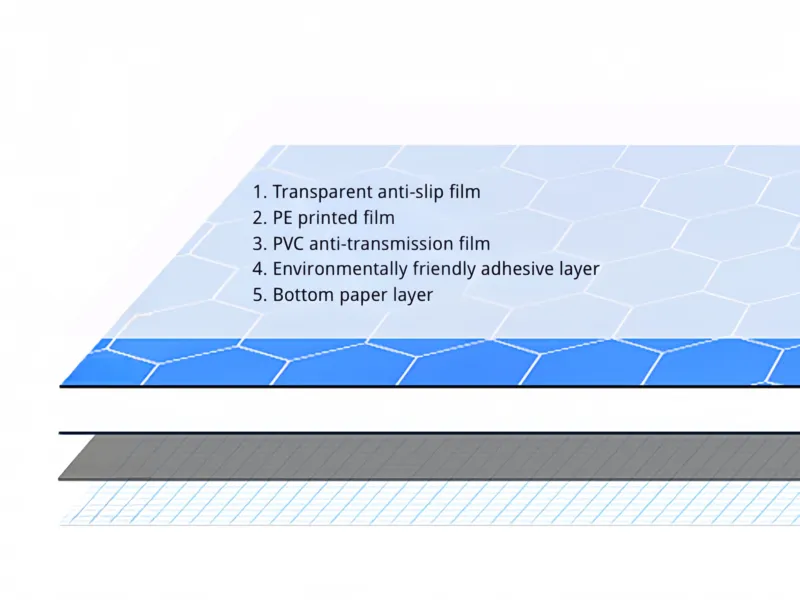
Choosing the right specification depends on intended use: heavier grammage and thicker PVC are best for long-term outdoor covers; thinner, glossy films work well for interior decorative surfaces and temporary signage. Options such as anti-oil or textured finishes increase functionality for kitchens, bathrooms, and high-traffic public areas.
| Product Type | Thickness (mm) | Weight (g/m²) | Common Uses | Estimated Lifespan |
|---|---|---|---|---|
| PVC Coated Fabric (woven base) | 0.45 – 1.2 | 600 – 1200 | Tarpaulins, awnings, truck covers | 3 – 8 years |
| Calendered PVC Film | 0.08 – 0.5 | 80 – 450 | Signage, decorative wraps, furniture film | 2 – 6 years |
| Anti-oil / Kitchen Film | 0.10 – 0.30 | 100 – 300 | Kitchen backsplashes, food stall counters | 1 – 4 years |
Local buyers often need flexible packaging sizes and reliable lead times. Options such as split roll packaging simplify transport to inland towns, while private-label printing helps local distributors and suppliers build their brand presence in markets and construction projects.
Full in-house production control ensures consistent material quality and faster turnaround for custom orders—Pulivk supports tailored sizes, colors, prints, and split-packaging to meet specific shipment needs.
Regular cleaning, avoiding prolonged contact with oily substances, and storing rolls off damp ground will extend the life of PVC fabrics. For permanent outdoor installations, choose heavier grammage with reinforced edges and UV-stable pigments.
If you are sourcing durable, customizable PVC coated fabrics for market stalls, transport covers, or community projects in Sierra Leone, selecting the right specification and packaging can reduce replacement costs and downtime—helping local enterprises and service providers stay resilient under tropical conditions.