Address
304 North Cardinal St.
Dorchester Center, MA 02124
Work Hours
Monday to Friday: 7AM - 7PM
Weekend: 10AM - 5PM
Address
304 North Cardinal St.
Dorchester Center, MA 02124
Work Hours
Monday to Friday: 7AM - 7PM
Weekend: 10AM - 5PM


A realistic wood surface can transform the feel of a room—making furniture warmer, doors more refined, and interiors more cohesive—without the cost, weight, or maintenance concerns of natural veneer. High Quality Nature Wood PVC Film is designed to deliver a true-to-life wood grain finish with stable performance for daily use, helping manufacturers and project teams achieve consistent aesthetics across large volumes and multiple product lines.
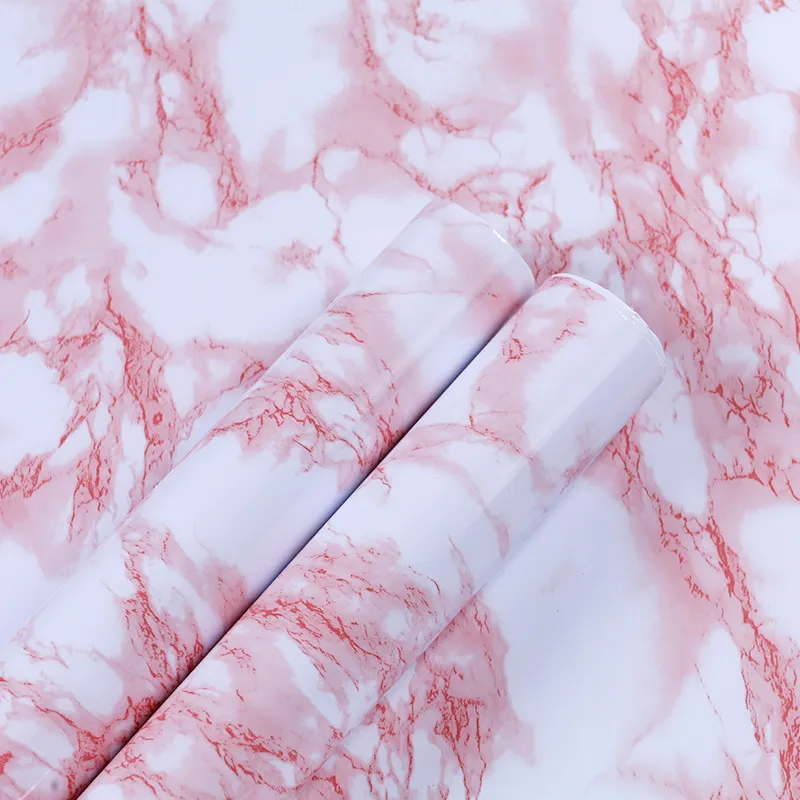
Whether you are producing cabinet doors, wardrobes, wall panels, hotel joinery, or retail fixtures, wood grain decorative PVC film offers a practical balance of appearance, durability, and process flexibility. With modern calendering and printing technology, wood patterns can be engineered to match popular interior styles—from light oak and ash to walnut, teak, and darker premium tones—while maintaining repeatable quality from roll to roll.
The “realistic” effect comes from a combination of high-definition printing, calibrated color layers, and surface finishing options such as matte, soft-touch, or embossed textures. When the gloss level and texture depth are aligned with the wood pattern, the result is a natural-looking grain that reads convincingly under both daylight and indoor lighting.
Key visual factors that improve realism:
Nature wood PVC film is widely used where designers want the warmth of wood but need a surface that is easier to clean, consistent in tone, and efficient for mass production. Typical use-cases include furniture skins, flat-laminated panels, wrapped profiles, and interior decorative elements.
For wardrobes, kitchen cabinets, office furniture, and store fixtures, wood grain PVC film supports fast throughput and uniform finish—especially important for large projects where matching door fronts and side panels is non-negotiable. For product selection and pattern references, you can explore dedicated options like
Wood Grain Film.
Decorative PVC film is commonly applied on door surfaces, frames, architraves, and trim components where consistent grain and stable color are critical. Matte or low-sheen finishes often work best to replicate real timber, while textured options add tactile authenticity for high-touch areas.
Interior decoration frequently needs surfaces that look premium but withstand constant traffic and frequent cleaning. Wood-look panels help hotels and retail spaces create warmth and brand consistency. For projects combining wood with modern textiles or feature walls, mixing finishes (wood + textile texture + solid color) is a popular approach; for example,
3D Silk Texture Film
and
Solid Color Wallpaper
can complement wood tones in reception areas and corridors.
Choosing a decorative film is not only a design decision; it directly influences manufacturing yield, rework rates, and customer satisfaction. A high quality nature wood PVC film is engineered for stable processing and consistent surface appearance, helping producers reduce defects such as color mismatch, visible stretch marks, or uneven gloss.
✔ Practical advantages for furniture and interior decoration:
Many high-performance decorative films are built on a calendered PVC base, valued for thickness uniformity, surface stability, and scalable output. A well-controlled calendering process supports predictable performance in printing, embossing, and downstream lamination—critical when you want the wood grain to stay sharp and consistent after application.
If you want to dive deeper into base film types and specifications, refer to
Calendered Film
as a foundational option commonly used for decorative surfaces.
A wood pattern is only half the story. Finish selection determines how “authentic” the surface feels, how it hides fingerprints, and how it behaves under lighting. For residential interiors, matte and low-sheen surfaces are often preferred because they feel calm and natural. For commercial display fixtures, a slightly higher sheen may add clarity and visual pop.
Ideal for modern doors, wardrobes, and wall panels where you want the grain to look like natural, unfinished timber. Matte surfaces tend to reduce glare and can make spaces feel more comfortable.
Works for statement cabinetry and decorative furniture elements where you want a crisp, premium look. Gloss can emphasize grain contrast; however, consider lighting and fingerprint sensitivity in high-touch areas.
Adds tactile realism and helps “sell” the material in showrooms. Subtle textures can also improve scratch masking in busy spaces.
Interior brands and large furniture producers often need custom color matching and pattern control. OEM/ODM services enable you to define film thickness, width, roll length, pattern, color tone, emboss texture, and packaging requirements—so your finished product line stays consistent, even as volumes scale.
Customization checklist before sampling:
For indoor furniture and decorative surfaces, safety and compliance are essential. High quality PVC films can be produced with eco-friendly, non-toxic inks and controlled formulations designed for interior contact and long-term durability. In professional supply programs, clients often request compliance frameworks such as ISO management systems and major chemical safety requirements for international markets.
Beyond compliance, consistency is the day-to-day priority: stable thickness, controlled color deviation, reliable adhesion performance, and surface defect control. These factors reduce rework and protect your reputation once the product is installed.
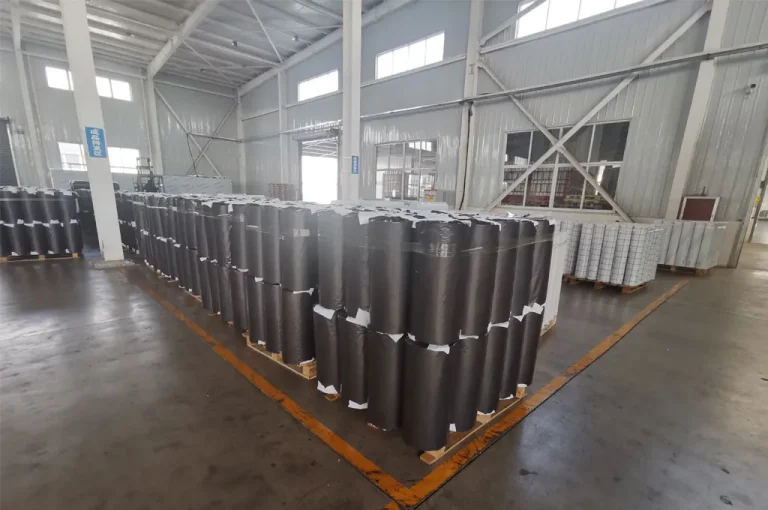
Decorative films are only as good as the condition they arrive in. Professional roll packaging commonly uses dust-proof PE film or kraft wrapping with clear specification labeling to prevent contamination, scratching, and moisture impact during transit. For export and multi-stop logistics, secure outer protection reduces claims and ensures the film is ready for immediate production use.
Store rolls in a clean, dry area, avoid direct sunlight, and maintain stable temperature where possible. Before lamination or wrapping, allow rolls to acclimate to workshop conditions to reduce condensation risk and improve processing stability.
Specifying wood grain PVC film becomes easier when you separate decisions into appearance, feel, performance, and process requirements. Start by confirming the wood species look you want (oak/walnut/teak, etc.), then choose gloss level and emboss style. Finally, verify the film structure and thickness range that matches your equipment and substrate.
⭐ Quick selection guide (for fast decision-making):
A realistic wood grain finish looks best when it is consistent across the entire interior composition. Many projects pair wood door faces with matching skirting to create a clean transition between wall and floor, especially in residential renovations and hospitality corridors. If you need trim-focused solutions, consider
PVC skirting film
for coordinated finishing details.
PVC film is a thin polyvinyl chloride sheet used for decoration and protection. With high-definition printing and optional embossing, it can replicate wood grain while offering consistent color, easier maintenance, and scalable production for furniture and interior applications.
Yes. OEM/ODM customization typically supports thickness, width, roll length, printing pattern, color matching, surface finish (matte/gloss/emboss), and packaging to fit your equipment and product line.
It can be, when you select the appropriate surface finish and performance specification for cleaning frequency, stain exposure, and daily wear. Many producers choose matte or functional coatings to improve fingerprint resistance and maintenance ease.
Prepare the target application (furniture/doors/walls), required thickness/width, desired wood tone, finish (matte/gloss/emboss), and estimated quantity. Then submit the details through the supplier’s inquiry channels to receive sampling and pricing recommendations.
Consistency is typically maintained through full-process production control (calendering, printing, slitting/packing), batch traceability, and multi-step QC checks for thickness, appearance, and surface performance before shipment.