Address
304 North Cardinal St.
Dorchester Center, MA 02124
Work Hours
Monday to Friday: 7AM - 7PM
Weekend: 10AM - 5PM
Address
304 North Cardinal St.
Dorchester Center, MA 02124
Work Hours
Monday to Friday: 7AM - 7PM
Weekend: 10AM - 5PM


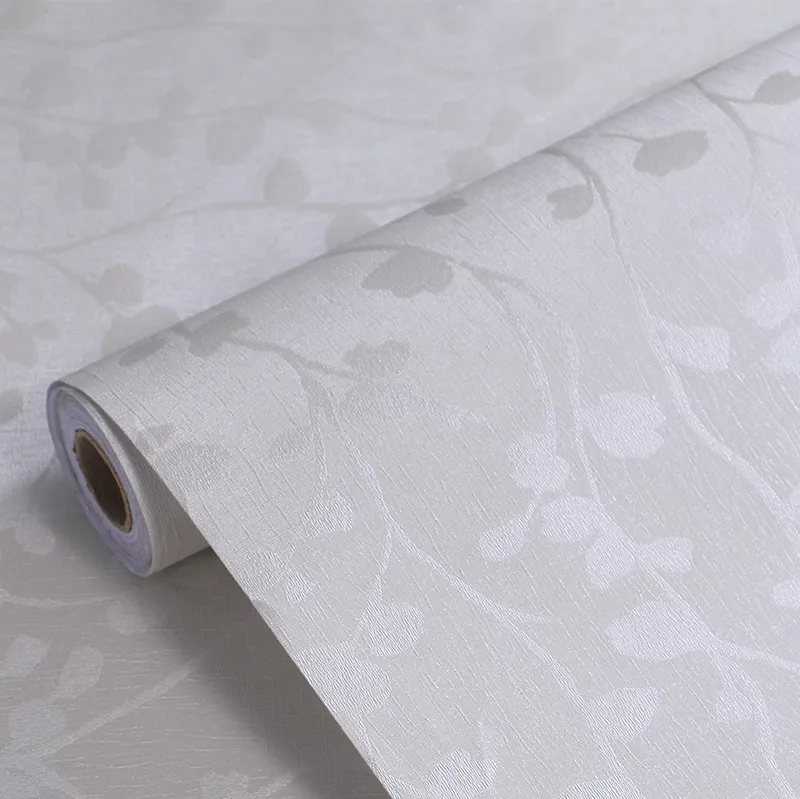
Solid embossed PVC film is a high-performance decorative and functional material that combines rich surface textures with reliable barrier properties. By customizing embossing patterns, thickness, finishes, and roll formats, manufacturers can create packaging and decoration solutions that look premium, feel distinctive, and perform consistently in real-world handling.
Key takeaway:
Customized solid embossed PVC film helps brands and fabricators achieve better grip, enhanced visual depth, scratch masking, and repeatable quality—while supporting efficient converting such as printing, lamination, die-cutting, slitting, and roll-to-roll processing.
PVC film is a thin sheet made of polyvinyl chloride. In a solid embossed version, the film is produced in a solid color (or uniform base tone) and then embossed to create a tactile pattern. “Customized” means you can specify not only the embossing texture, but also thickness, width, hardness, gloss level, functional coatings, printing compatibility, and packaging format for your supply chain.
Why embossing matters: embossed textures create a 3D surface that changes how light reflects and how the material feels in hand—important for both shelf appeal and daily touchpoints.
The right embossing pattern is a balance between aesthetics, cleanability, durability, and the converting process (printing/lamination/thermoforming). Below are common directions brands choose for packaging and decoration:
Ideal when you want a clean, modern look while reducing glare and fingerprints. Micro textures often support better print uniformity and are easy to wipe, which is valuable for retail displays, protective wraps, and decorative panels.
A classic tactile finish that communicates durability. It hides handling marks and can improve grip for packaging sleeves, tool cases, stationery covers, and furniture surfaces.
Used to deliver softness and depth without adding bulk. For a ready-to-ship example, see
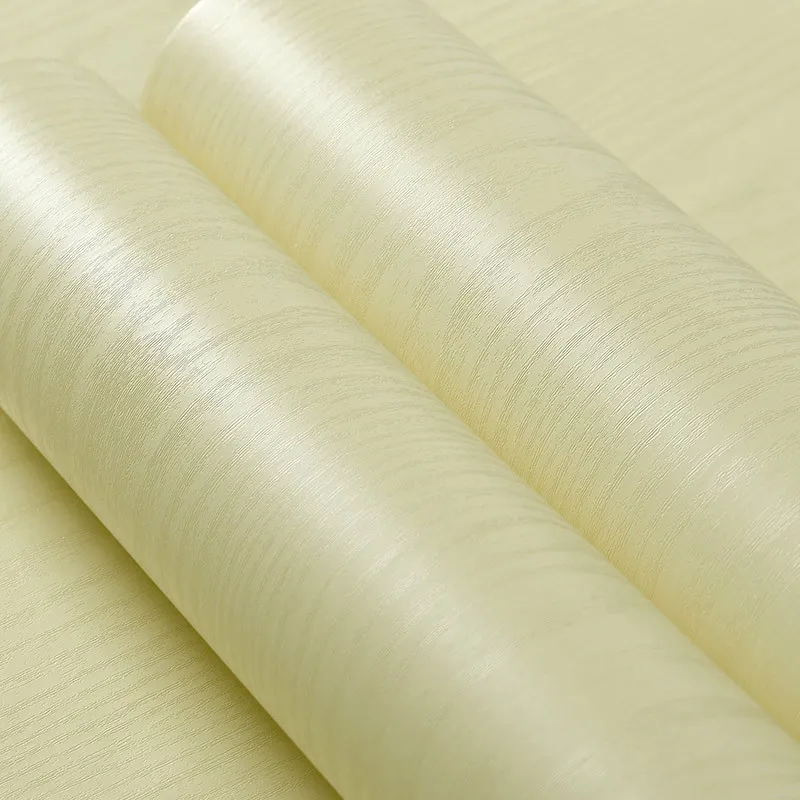
3D Silk Texture Film,
which demonstrates how embossing can create elegant, textile-inspired surfaces for interiors and premium decorative programs.
Designed for high-impact visual depth and tactility. Deep emboss can be used to differentiate product lines, but typically requires tighter process control for thickness tolerance, roll tension, and downstream converting.
Thickness selection affects stiffness, durability, drape, emboss definition, and cost. In packaging and decoration, a “best” thickness depends on how the film will be used—wrapped, laminated, thermoformed, or applied as a surface layer.
Note: your emboss depth, required stiffness, and post-processing (heat, pressure, adhesive) should be confirmed with sampling before mass production.
Beyond embossing, performance often comes from the right surface finish and coating package. Customized solid embossed PVC film can be engineered for both visual consistency and production efficiency.
Choose gloss for vibrant color and high reflectivity, matte for reduced glare and a modern look, or soft-touch to add a premium hand-feel for consumer-facing products.
Functional coatings help solve real production and usage problems, such as dust attraction on packaging lines, condensation in humid environments, or scuffing during transit. For electronics and appliance applications, anti-static options can reduce particle adhesion and handling issues.
When films are used for interiors or frequent touch, safety and compliance matter. Modern PVC film programs can be designed to align with common compliance needs (e.g., REACH/RoHS/FDA, depending on end-use) and utilize eco-friendly, non-toxic inks for indoor decorative applications.
In packaging, embossed PVC film is often chosen when a brand needs visual differentiation and surface durability. It can be used as a decorative outer layer, a protective wrap, or part of a multi-layer structure.
For decoration, solid embossed PVC film performs as a surface layer that upgrades appearance and daily durability. It’s widely used across furniture manufacturing, building decoration, home improvement, advertising displays, and functional protection.
Embossed films can simulate textile, leather, or subtle grains while improving resistance to light scuffs. For natural-looking décor lines, pairing emboss with wood-like visuals is common—see
Wood Grain Film
as an example of décor-oriented PVC film categories.
Embossed PVC film supports consistent color, wipe-clean surfaces, and fast installation for trims. Skirting and edge zones often need better scratch masking; refer to
PVC Skirting Film
for a product direction commonly used in finishing details.
When wear and maintenance are critical, thickness and surface texture selection becomes more important. For flooring-oriented programs and protective layers, explore
Floor Film
for an overview of how PVC film integrates into floor applications.
Consistent embossed film requires tight control of calendering, embossing pressure, cooling, printing alignment, and roll handling. A full-process setup—covering calendering, printing, slitting, and packaging—helps reduce lead time and ensures that samples match mass production.
Tip: If you’re sourcing a base film for further processing, starting from a stable
Calendered Film
specification can simplify quality control and reduce risk during scale-up.
A precise specification reduces sampling cycles and speeds up production planning. If you are buying for packaging or decoration, provide the items below to get a faster quotation and a more accurate sample.
For embossed films, quality is not only about “pass/fail.” It’s about how stable the film remains across batches and how predictably it runs on your equipment. A robust QC approach typically checks:
It is used as a protective and decorative layer for furniture surfaces, building interiors, trims, advertising displays, and industrial packaging—improving appearance, durability, and ease of maintenance.
Match thickness to your use case: thin gauges for flexible wraps, medium gauges for most laminations and decorative skins, and thicker gauges for higher impact or floor-related wear. Always validate with samples on your actual line.
Yes. Deeper textures can change ink laydown and adhesive wet-out. Confirm surface treatment, primer needs, and process settings (pressure/temperature) during sampling.
Provide application, color reference, emboss pattern, thickness and tolerance, finish (matte/gloss/soft-touch), functional requirements (anti-static/anti-fog), roll width/length, and packing requirements.
MOQ depends on product type and customization level. Many suppliers support trial orders and sampling to confirm texture, thickness stability, and converting performance before scaling up.