Address
304 North Cardinal St.
Dorchester Center, MA 02124
Work Hours
Monday to Friday: 7AM - 7PM
Weekend: 10AM - 5PM
Address
304 North Cardinal St.
Dorchester Center, MA 02124
Work Hours
Monday to Friday: 7AM - 7PM
Weekend: 10AM - 5PM


 ByPulivk
If you’re searching in the United States for the best flexible PVC film manufacturer, you’ll want a partner who combines consistent quality, fast lead times, and flexible OEM options—especially for contractors, packaging brands, and interior fit-out companies across North America.
Different buyers prioritize different things. In the U.S. market, common decision drivers include durability for high-traffic interiors, regulatory compliance for food or medical packaging, reliable lead times for seasonal projects, and the ability to customize colors, prints, and roll sizes for private label products.
| Selection Criteria | Why It Matters |
|---|---|
| Production Control | Ensures consistent thickness, finish, and color between batches. |
| Customization Options | Supports private label and interior design trends (wood grain, marble, glossy, matte). |
| Regulatory & Safety | Critical for packaging and building applications sold in U.S. retail channels. |
| Lead Time & Logistics | Shorter project timelines and predictable stocking reduce project risk. |
| Global Export Experience | Suppliers with export experience understand U.S. customs, labeling and shipping expectations. |
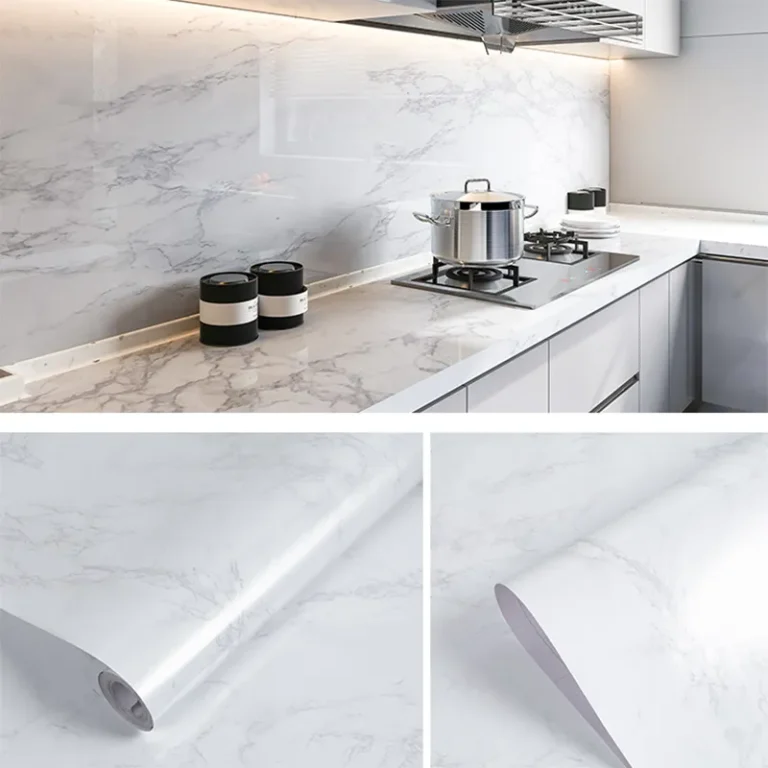
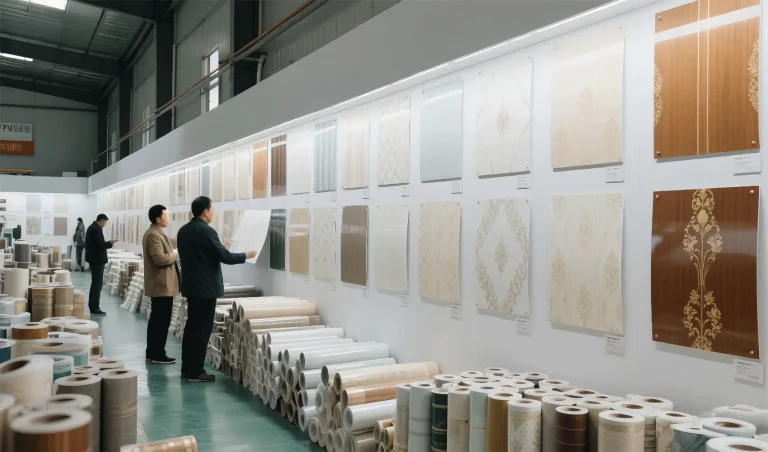
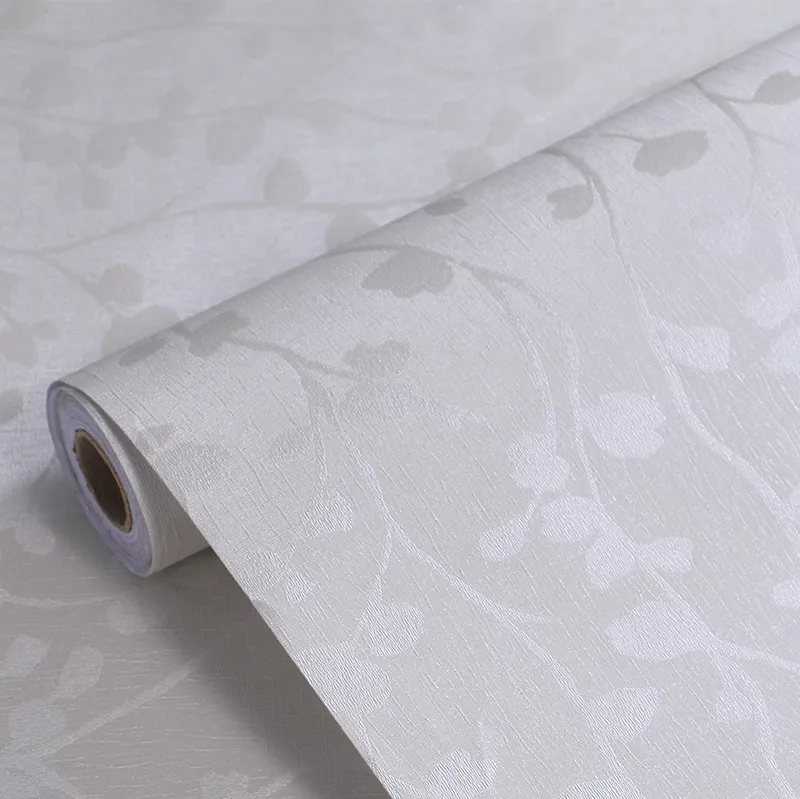
For U.S.-based architects, kitchen & bath remodelers, and packaging buyers, the ability to select finishes (3D silk, wood grain, marble, anti-scratch and matte/glossy films) and reliable split-roll packaging for retail is especially important. Designers often favor visual fidelity and texture choices, while retailers prioritize easy-to-handle roll sizes and clear labeling for inventory management.
Many U.S. buyers choose international manufacturers because they can offer broader design options, deeper inventory of raw materials, and lower base costs through scale—provided the supplier has proven export logistics and compliance experience for the U.S. market.
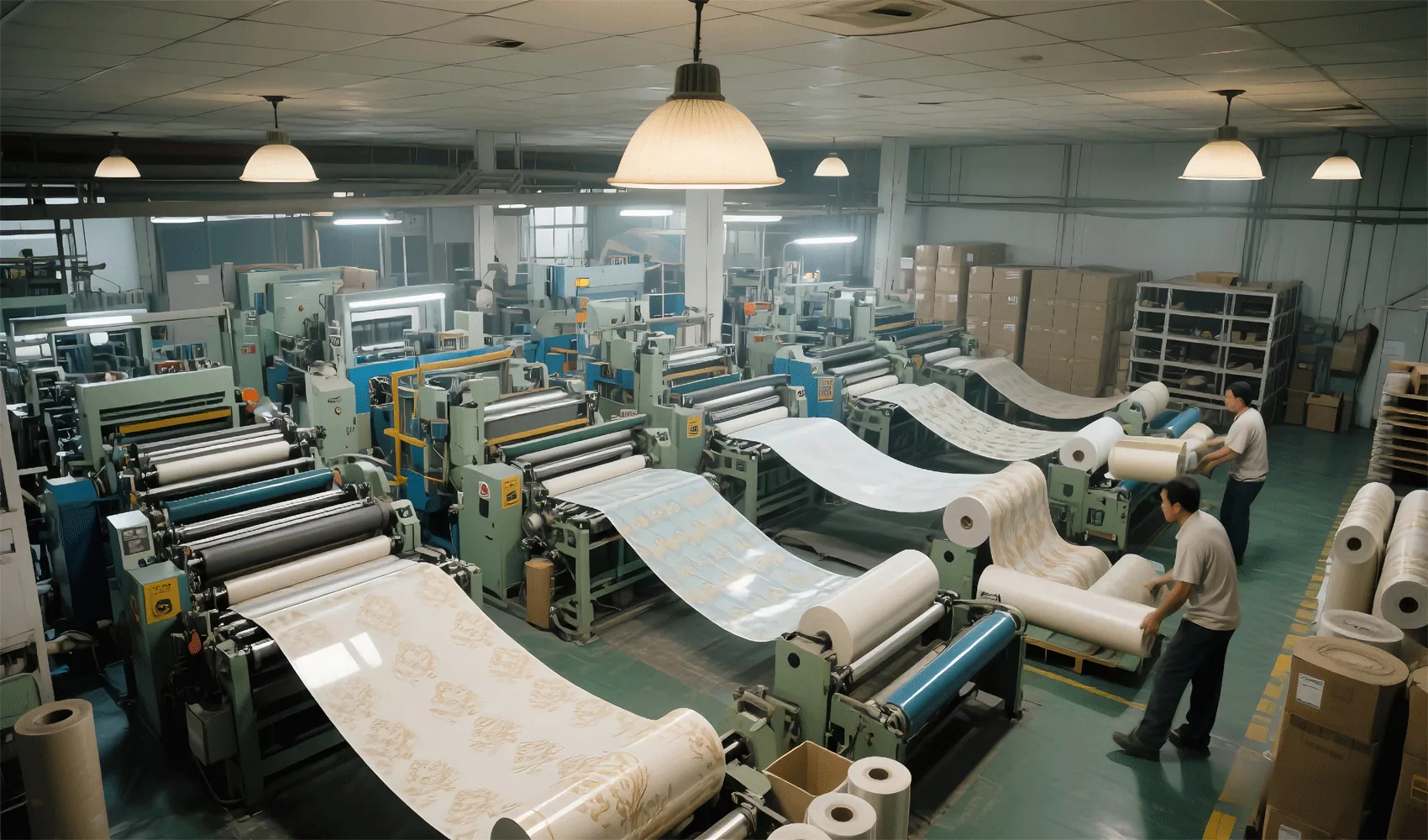
Pulivk brings a full in-house production chain—calendering, printing, split-packaging—allowing tight quality control, flexible OEM options, and export experience to serve customers across North America. This kind of vertically integrated capability can be an advantage for U.S. brands seeking consistent finishes, reliable lead times, and cost-efficient sourcing at scale.
Choosing the “best” flexible PVC film manufacturer depends on your priorities—custom finishes and textures for design-driven projects, certified materials for food/medical packaging, or competitive pricing and steady lead times for retail volume. Use the checklist above to narrow options, validate through samples, and confirm logistics before committing to volume orders.