Address
304 North Cardinal St.
Dorchester Center, MA 02124
Work Hours
Monday to Friday: 7AM - 7PM
Weekend: 10AM - 5PM
Address
304 North Cardinal St.
Dorchester Center, MA 02124
Work Hours
Monday to Friday: 7AM - 7PM
Weekend: 10AM - 5PM


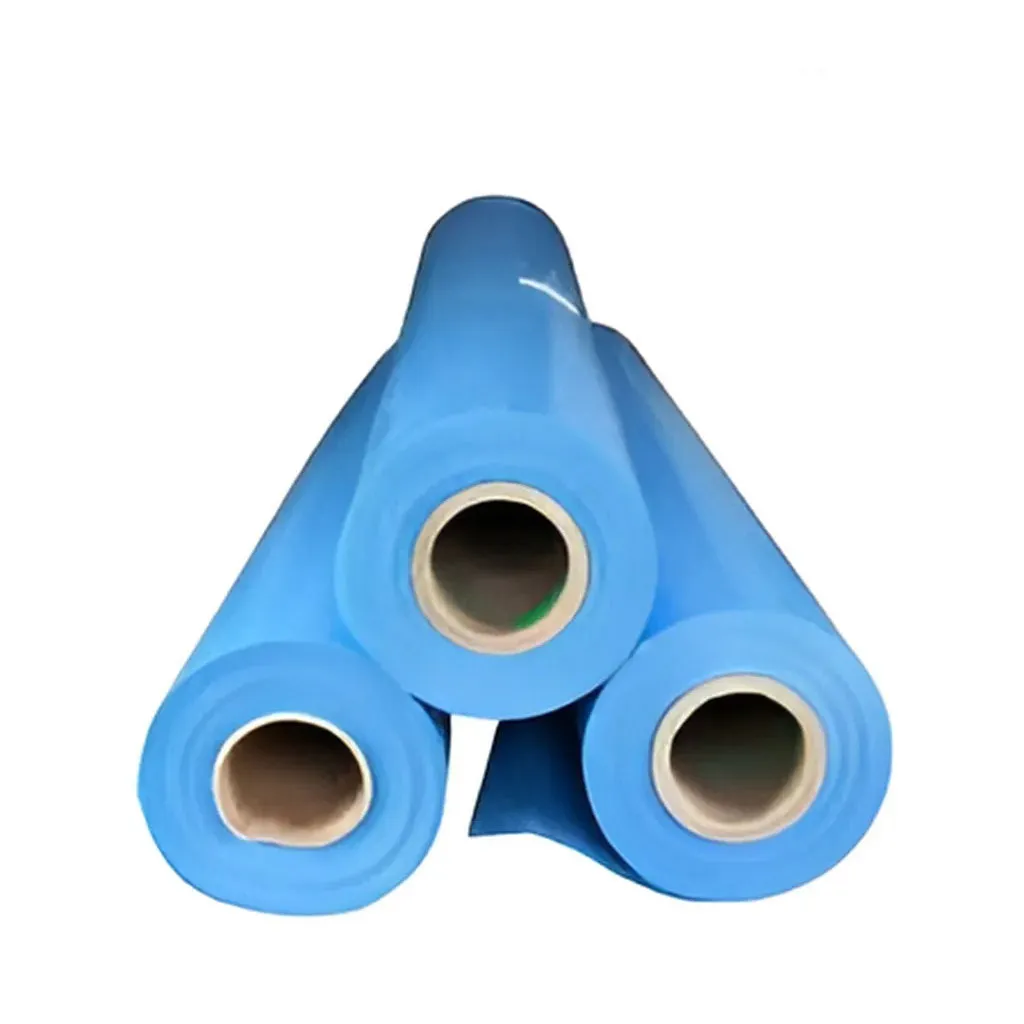
Laser PVC film manufacturing is evolving from “just decorative” to a high-precision, application-driven material solution for furniture, interiors, electronics, advertising, medical environments, and home improvement. Whether you are sourcing film for laser cutting, laser marking, or laser-assisted processing, the right PVC film structure, surface finish, and quality consistency will directly affect yield, edge quality, color stability, and long-term durability.
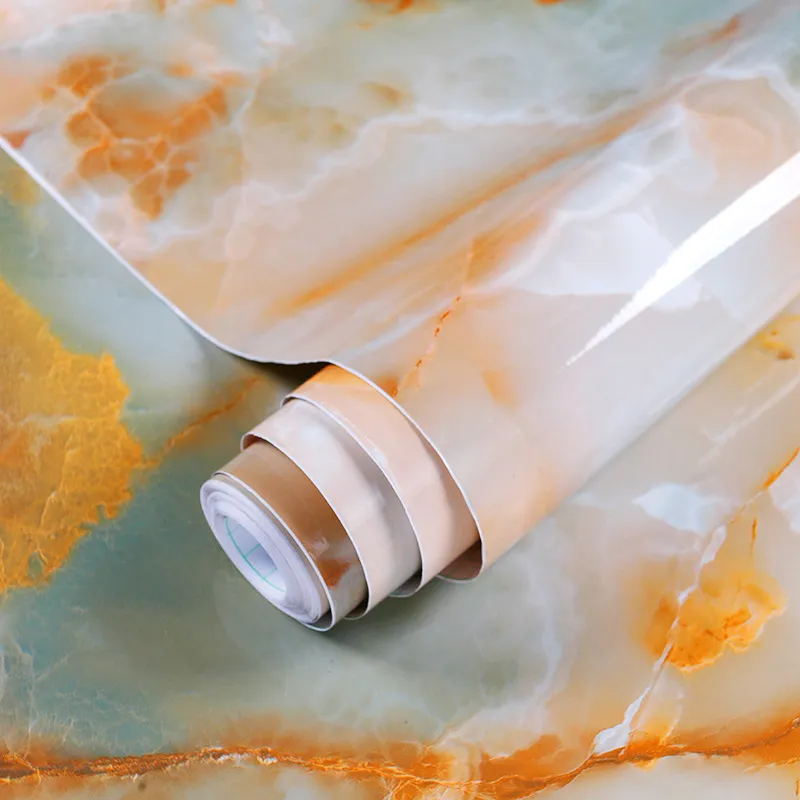
This guide explains how custom laser-compatible PVC film is made, where it performs best, which specifications matter most, and how to choose a supplier that can reliably deliver consistent rolls at scale—without surprises in adhesion, thickness variation, or print matching.
Key takeaway:
For laser-related uses, “PVC film” is not one product. Performance depends on calendering control, surface coating, ink system, embossing depth, adhesive choice, and roll-to-roll consistency.
“Laser PVC film” typically refers to PVC films engineered to perform well during laser processes such as contour cutting, die-less cutting, engraving/marking, or trimming after lamination. In practice, buyers often want one or more of the following:
✔ Important:
If your goal is laser cutting/marking performance, ask your supplier to align on PVC formulation, plasticizer system, coating/ink compatibility, and the target laser setup (power, speed, focus, wavelength) before finalizing the film.
A reliable laser PVC film supplier typically controls the critical stages that influence consistency. Pulivk Film, for example, operates a full chain workflow—calendering, printing, and slitting/packing—so key parameters can be controlled from raw material to finished rolls.
Calendered PVC film is formed by passing compounded PVC through heated rollers to achieve a controlled thickness, surface smoothness, and mechanical strength. For laser-related applications, calendering quality matters because thickness fluctuations can cause:
If you are sourcing base material, see a typical specification range here:
Calendered Film.
Laser PVC films are often decorative and functional at the same time. Surface options can include glossy, matte, soft-touch, transparent, pearlescent, frosted, or embossed textures. Embossing depth and gloss level can affect how the surface reflects laser light and how visible marking appears.
Tip for spec sheets:
When comparing samples, request gloss value, emboss tolerance, and surface friction/feel targets, not just “matte” or “glossy.”
Decorative PVC film frequently uses printed layers (wood grain, stone, metal, fabric, artistic textures). For laser-trimmed parts (e.g., cabinet panels, wall panels, skirting), repeat length stability and color consistency across batches are essential to avoid visible mismatch on installations.
Examples of pattern-driven products you may reference during sourcing:
Wood Grain Film
and
Marble Film.
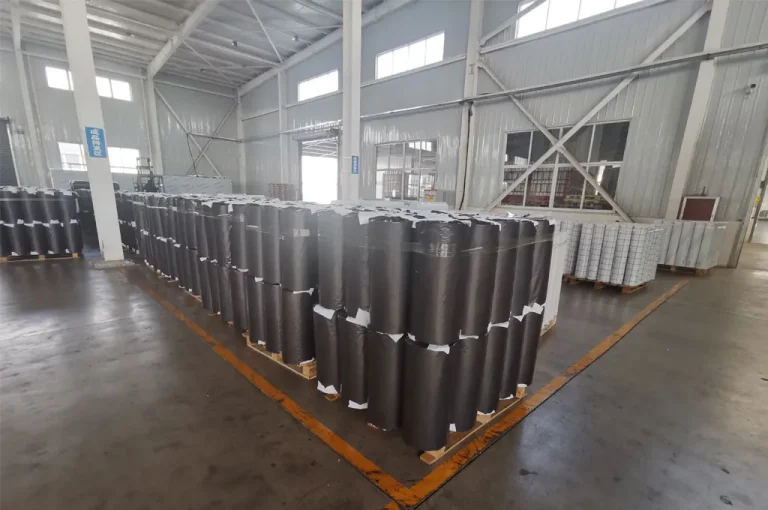
Even if the film is excellent, poor slitting can create wavy edges, telescoping rolls, dust contamination, or tension issues that cause feeding problems on laminators and laser tables. Professional suppliers slit to customer roll widths, apply protective packaging (dust-proof PE film or kraft paper), and label each roll for traceability.
Laser PVC film is often purchased as an OEM/ODM material. Customization should be driven by your end process: lamination method, substrate type (MDF, WPC, metal, acrylic, foam board), and whether the film will be laser-cut before or after lamination.
If you need pronounced tactile texture for premium interiors, consider:
3D Silk Texture Film.
For electronics, medical/cleanroom, and heavy-use furniture, functional layers can be just as important as appearance:
● Common options:
anti-static, anti-fog, food-grade coatings, water resistance, stain resistance, and other special coatings aligned with your end use.
PVC film is used widely because it balances aesthetics, durability, and scalable manufacturing. Laser compatibility becomes important when producers want flexible design, precise contouring, or efficient trimming without mechanical dies.
Typical uses include cabinet doors, table tops, wardrobe panels, and decorative trims. Laser processing can help with custom cutouts, edge detailing, and fast prototype-to-production transitions.
High-demand styles include wood grain, solid color, stone, and high-gloss decorative films. Consistent batch color matching is crucial for multi-panel installations.
Decorative PVC films are used for wall coverings, panel wrapping, and interior trims. In renovation projects, speed matters: installers prefer films that cut cleanly and maintain pattern continuity.
A common trim solution for interior finishing is:
PVC Skirting Film.
Applications include anti-static films, protective layers, insulation films, and brushed/textured decorative surfaces. Laser work may be used for precise openings, label/mark alignment, and consistent trimming across production batches.
PVC films are used for lightbox faces, display backdrops, and graphic surfaces. Laser cutting is attractive for intricate shapes and rapid design changes—especially for short campaigns or custom event builds.
For controlled environments, buyers often prioritize low odor, safety compliance, stable performance, and cleanliness in packaging. Laser processing can be used for precise format conversion where mechanical tooling is less flexible.
Choosing the right supplier is less about a single sample roll and more about repeatability at scale. Use the criteria below to compare manufacturers objectively.
Suppliers with in-house calendering, printing, and slitting/packing typically control quality better and respond faster to changes. Full-process control also shortens lead times and reduces hidden outsourcing risk (e.g., inconsistent printing or unstable slitting tension).
QC points to request:
thickness mapping, tensile/tear strength, adhesion consistency (if laminated/self-adhesive), optical clarity (for transparent), emboss depth tolerance, batch traceability, and roll appearance checks (edge, telescoping, defects).
For indoor decoration and human-contact applications, compliance matters. Ask for documentation aligned with common requirements such as ISO management systems and regulations (e.g., REACH/RoHS/FDA where applicable). Also confirm heavy-metal and phthalate status if your market requires it.
A reliable partner supports trial orders, fast sampling, stable delivery planning, and export-grade packaging. This becomes critical when you scale from pilot runs to container-level purchasing across multiple SKUs.
If you cannot visit in person, request a live video tour that shows calendering, printing, QC stations, and slitting/packing. It is one of the fastest ways to validate that a supplier’s capacity matches their claims.
To reduce back-and-forth and avoid misquotations, send a clear requirement set. The more specific you are, the easier it is to match film structure and finish for laser performance.
Information to provide:
1) Application (furniture wrap, wall panel, electronics, signage, cleanroom packaging, etc.)
2) Film type (decorative, transparent, embossed, anti-static, self-adhesive, multi-layer, etc.)
3) Thickness, width, roll length, core size, and target tolerances
4) Surface finish (matte/gloss/soft-touch/emboss) and pattern reference (if printed)
5) Downstream process (lamination method, substrate, laser cutting/marking requirements, expected output rate)
6) Packaging requirements (dust-proof wrap, kraft paper, labeling, palletization)
In laser-related production, small inconsistencies amplify quickly: one slightly different batch can cause visible color shifts on panels, changes in cutting behavior, or lamination instability. Full-chain manufacturers can adjust parameters earlier (compound control, calender settings, print conditions, slitting tension) rather than “fixing” issues at the end.
Pulivk Film’s model—covering calendering, printing, and slitting/packaging—supports tighter process control, cost efficiency through upstream control, stable lead times via planned production and inventory management, and multi-step QC from raw material to finished rolls.
Operational advantage:
When a supplier can print, emboss, and slit in-house, you can request controlled trials (e.g., same base film with different surface finishes) to identify the best laser performance without changing vendors or supply chains.
If you are developing a new product line or switching suppliers, structure your purchase to validate performance before you scale.
PVC film is a thin sheet made from polyvinyl chloride, used for decorative, industrial, and packaging purposes. It is popular because it offers strong design flexibility (patterns/textures), good durability, and scalable roll-to-roll manufacturing.
Yes. You can customize thickness, surface finish (gloss/matte/emboss/soft-touch), printing, functional coatings (e.g., anti-static), and packaging. For best results, share your laser process details and substrate so the film structure is matched to your workflow.
Look for full-process capability (calendering, printing, slitting/packing), documented QC and traceability, compliance support, stable lead times, and evidence of export experience. A live online factory tour can also validate real production capacity.
Provide application, film type, thickness/width/roll length, finish and pattern references, any functional requirements (anti-static, food-grade, etc.), target tolerances, and packaging needs. This helps the manufacturer quote correctly and recommend the right structure.