Address
304 North Cardinal St.
Dorchester Center, MA 02124
Work Hours
Monday to Friday: 7AM - 7PM
Weekend: 10AM - 5PM
Address
304 North Cardinal St.
Dorchester Center, MA 02124
Work Hours
Monday to Friday: 7AM - 7PM
Weekend: 10AM - 5PM


 ByPulivk
Choosing the best PVC film for a door manufacturing factory in Kazakhstan requires balancing durability, appearance, and local climate resilience. This guide walks door makers, procurement managers, and product designers through the practical criteria, common film types, quality checks, and logistics considerations specific to Kazakhstan’s market.
PVC film offers an economical way to achieve consistent surface finishes—wood grain, marble, glossy or matte—while improving scratch resistance and water protection. For Kazakh manufacturers serving both urban apartments in Almaty and harsh-steppe environments, PVC film provides aesthetic flexibility with reliable performance under temperature swings.
1. Film construction and type — Calendered PVC films are commonly used for door laminates due to consistent thickness and printable surfaces; cast-like and multi-layer composite films add enhanced dimensional stability and richer textures.
2. Thickness (μm)** — Typical door films range from 80μm to 250μm depending on application: thin overlay films for furniture-style doors, heavier films for exterior or high-impact interior doors.
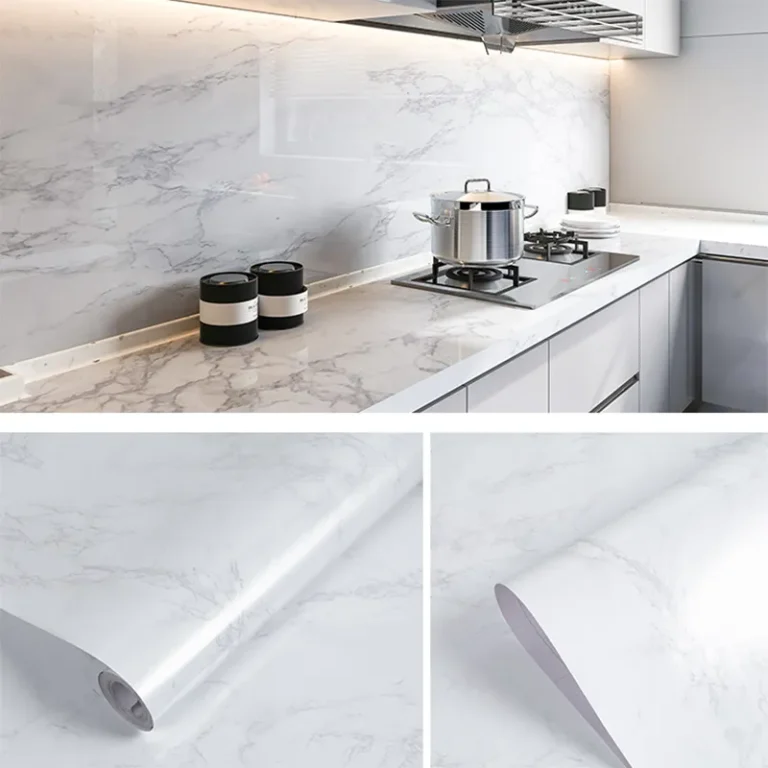
3. Surface finish and pattern — Wood grain and 3D silk textures are popular choices among Kazakh customers seeking warm interiors; marble and glossy finishes are common for modern kitchens and office doors.
4. UV and thermal stability — Kazakhstan has wide seasonal temperature swings; choose films with UV stabilizers and low thermal expansion to avoid edge lifting and color fade.
5. Adhesion and backer compatibility — Films must bond well with PVC edge banding adhesives or PU-based adhesives used in door assembly. Confirm recommended adhesive systems with suppliers.
6. Fire performance and standards — Verify flame retardancy and required certifications for commercial building codes. For EAEU markets including Kazakhstan, consider materials compliant with regional regulations.
| Film Type | Best For | Thickness Range | Key Benefits |
|---|---|---|---|
| Calendered PVC | Interior doors, mass production | 80–200 μm | Cost-effective, stable color, many textures |
| Multi-layer composite | Exterior-style doors, high-wear areas | 150–300 μm | Improved impact & moisture resistance |
| Embossed / 3D silk texture | Premium interior doors, visual depth | 100–220 μm | Enhanced tactile feel, realistic wood effects |
Ensure every batch passes adhesion tests, accelerated UV aging, cold cracking (-30°C and below), and abrasion resistance. For door edges and hinges, test peel strength after 24–72 hours of lamination and after thermal cycling. Request technical data sheets and sample panels for real-world assessment.
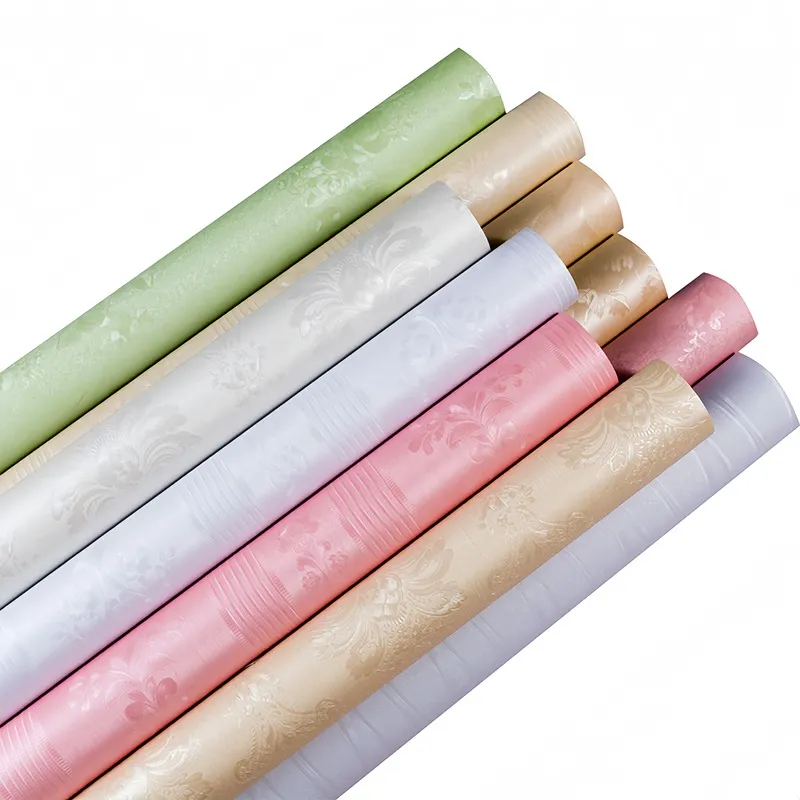
Rolls should be split-packed, individually wrapped, and boxed for rail or road transport to Kazakhstan. For winter shipments, avoid condensation inside packaging—use dust-proof PE wrapping and carton labeling. Factor in customs and EAEU documentation to streamline border clearance.
For door brands targeting Kazakh consumers, order customized textures, bespoke wood grains, or private-label packaging. Confirm minimum order quantities, print repeat sizes, and sample approval timelines to match your production schedule.
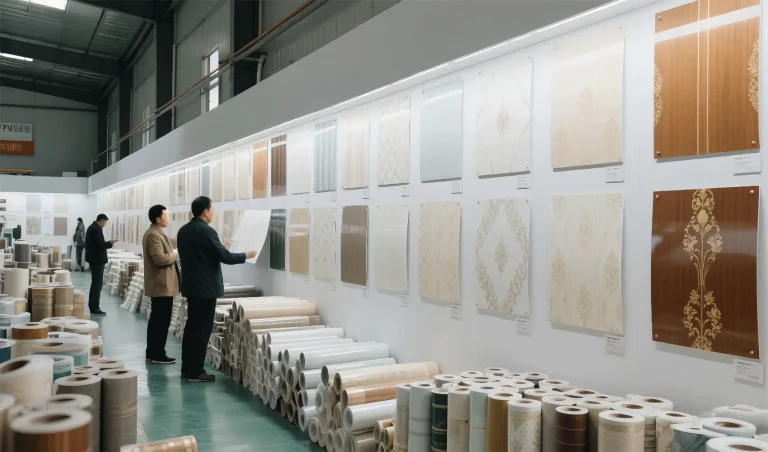
Look for partners with full in-house production (calendering, printing, split-packaging), strict QC checkpoints, and export experience to Eurasian markets—this reduces lead times and cost risks. For supply inquiries, contact Henan Pulivk New Materials Co., Ltd. via their website: https://pvcfilmtec.com/
– Confirm film type, thickness and finish.
– Require test reports for UV, cold resistance, and adhesion.
– Verify packaging for long-distance seasonal transport.
– Ask about lead times, OEM capacity and regional compliance (EAEU/EAC).
Choosing the right PVC film will improve door longevity, reduce warranty issues, and help you meet Kazakh market tastes—whether classic wood grain or modern matte finishes. Prioritize durability, tested adhesion, and a supplier that controls production from raw materials to split-packaging for consistent results.