Address
304 North Cardinal St.
Dorchester Center, MA 02124
Work Hours
Monday to Friday: 7AM - 7PM
Weekend: 10AM - 5PM
Address
304 North Cardinal St.
Dorchester Center, MA 02124
Work Hours
Monday to Friday: 7AM - 7PM
Weekend: 10AM - 5PM



Getting a fair price for Laser PVC Film (often used for decorative laminations, cabinetry surfaces, wall panels, skirting, signage, and retail fixtures) is not just about finding the lowest quote. The real value is the balance of stable quality, consistent batches, reliable lead time, and the right performance for your application—especially when the film is expected to look premium under strong lighting and daily wear.
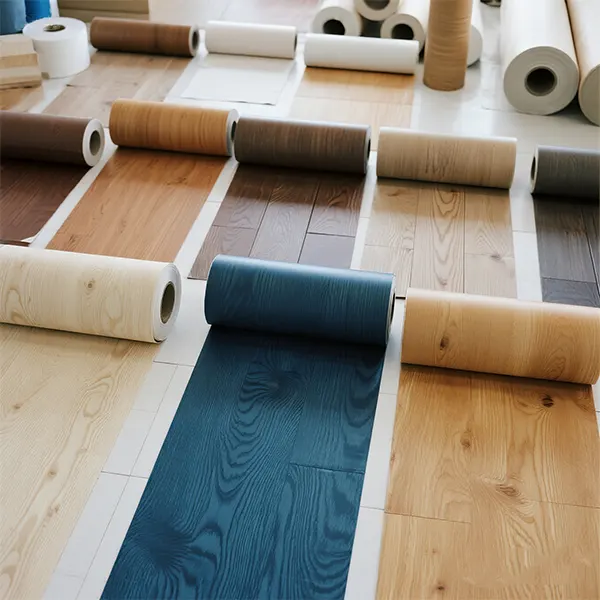
This guide breaks down the most important cost drivers, practical quality checks, and how to buy online without surprises—whether you’re sourcing for furniture production, interior decoration, advertising, or OEM projects.
In PVC film sourcing, “fair price” typically means:
✔ Comparable specifications (thickness, width, embossing depth, gloss level, coating type, adhesive if any).
✔ Comparable quality standards (low odor, stable color, consistent thickness, safe/eco compliance where required).
✔ Comparable trade terms (EXW/FOB/CIF/DDP), packaging grade, and after-sales responsibility.
If two suppliers quote the same price but one has better batch consistency, cleaner packaging, faster corrective action, or stronger production control, the total landed cost and risk profile can be very different.
PVC film pricing is heavily influenced by resin grade, plasticizers, stabilizers, and whether the product is engineered for low odor, high flexibility, or enhanced durability. Films designed for indoor decoration and frequent human contact often require stricter formulation control, which can affect cost—but it also reduces complaints and returns.
Most decorative and industrial PVC films are produced via calendering for thickness stability and surface quality. A true apples-to-apples price comparison should confirm whether the film is calendered and how tightly thickness tolerances are controlled. If you’re evaluating calendered options, see product references like
Calendered Film.
Thickness directly impacts material consumption. Wider rolls and longer roll lengths can reduce unit packaging and handling cost, but may require stronger cores and better winding tension control. If you need slitting to custom widths, that adds processing steps but can save your factory labor and waste.
Tip: When requesting quotes, provide thickness, width, roll length, core size, and target application. Missing details often leads to re-quoting or mismatched samples.
Watch-out: If a quote seems unusually low, confirm whether it uses a thinner gauge, shorter roll length, or lower-grade packaging.
Laser-style looks (high light reflection, micro-texture, shimmer effects, or patterned depth) depend on embossing rollers, printing accuracy, and coating consistency. These steps require tighter process control, and higher-grade patterns often carry a premium—especially if you need strong batch-to-batch color repeatability for large furniture runs.
Functional upgrades—such as anti-static, anti-fog, oil resistance, scratch resistance, or special topcoats—increase cost but may reduce lifetime maintenance and warranty issues. For kitchen environments, for example, selecting a film engineered for oil exposure can be more economical than replacing panels later. Related references include
Kitchen Anti-oil Film.
If the film is self-adhesive, the adhesive type (permanent/removable), liner quality, and aging resistance matter. Cheap adhesive can cause edge lifting, bubbling, or residue—especially on doors, cabinets, and skirting boards where edges take impact and cleaning chemicals are used.
Compliance with ISO systems and chemical safety requirements (such as REACH/RoHS/FDA where applicable) often implies more controlled raw material sourcing and testing. If your buyers, contractors, or import regulations require documentation, include it in the pricing discussion early to avoid delays.
Laser-like finishes can look perfect in a warehouse but reveal defects under showroom LEDs or sunlight. Ask for a sample roll or large sheet and check:
🔎 Color shift across the roll (head/middle/tail)
🔎 Gloss uniformity and “clouding”
🔎 Emboss depth stability and pattern repeat
🔎 Pinholes, specks, roller marks, or print banding
Two films can both be labeled “0.18 mm” but behave differently if one has large thickness variation. Thickness tolerance affects lamination feel, cutting accuracy, and whether the finished surface looks flat.
If you press-laminate onto MDF, plywood, metal, acrylic, or composite boards, run a small trial using your actual glue system and press parameters. For self-adhesive applications, test on the real substrate and include edge/curve areas.
Production-friendly checklist: ask for winding direction, recommended storage conditions, and temperature range for application—these details reduce line stoppages.
Warranty-risk checklist: request aging test references (heat/cold cycles) and chemical resistance expectations if the film will be cleaned frequently.
Films are sensitive to dust, edge damage, and moisture. Export-ready packing (dust-proof PE wrap or kraft paper, clear labeling, reinforced corners) protects the cosmetic surface. If you buy online, packaging is part of product quality—because damage in transit becomes your hidden cost.
For wardrobes, cabinet doors, and panels, prioritize scratch resistance, color consistency, and a surface that is easy to clean. If you need a glossy decorative look for wardrobes, you can reference
Glossy Wardrobe Film
to align expectations around finish and typical specifications.
For skirting boards and trim areas that take impact, look for stable embossing and reliable edge performance (no cracking/whitening). If skirting is part of your project, see
PVC Skirting Film.
Flooring demands different performance priorities: abrasion resistance, anti-slip texture, and stable wear-layer behavior. For floor-oriented products, check
Floor Film
to compare structures and application requirements.
A usable online quote should specify: material type, thickness, width, roll length, finish (gloss/matte/emboss), pattern code, coating/treatment, packaging method, and trade terms. If you’re buying for OEM production, also request slitting tolerance and recommended storage conditions.
Instead of only requesting small swatches, ask for multiple cuttings from different roll positions or a small trial roll for critical projects. This helps you detect color shift, gloss variation, and winding-related defects early.
A “cheap” roll can become expensive if it arrives with edge damage, inconsistent thickness, or packaging contamination. Include in your comparison:
📦 Packaging level (dust-proof wrap, labels, corner protection)
🚢 Shipping method and moisture protection
🧪 Test reports and compliance documents if required
🔁 Policy for defects, replacements, or re-production
Suppliers who control calendering, printing, and slitting/packaging in-house can often deliver better consistency and shorter lead times—because each step is coordinated under one QC system. This typically reduces hidden costs such as rework, downtime, and mismatched batches (especially for high-visibility decorative finishes).
Ask whether the supplier offers batch traceability and what is checked during production (thickness, tensile strength, adhesion, optical appearance). When the film is used on furniture and interior surfaces, consistent appearance is often as critical as mechanical performance.
If your market requires low VOC, heavy-metal-free formulations, or compliance with REACH/RoHS/FDA, request documentation before payment. This is especially important for indoor decoration projects, healthcare environments, and products designed for frequent touch.
✅ Product: Laser PVC film / decorative PVC film (pattern/finish code)
✅ Specs: thickness, width, roll length, core size, slitting tolerance
✅ Surface: gloss level, emboss type/depth, coating (scratch/anti-oil/anti-static)
✅ Application: cabinet, wall panel, skirting, flooring, advertising, etc.
✅ Compliance: required documents (ISO, REACH, RoHS, FDA if needed)
✅ Packaging: dust-proof wrap, labeling, export protection
✅ Trade terms: EXW/FOB/CIF/DDP, destination port, delivery timeline
Thickness, surface finish (laser/emboss effects), coatings or functional treatments, printing requirements, compliance documentation, and packaging/shipping terms are the biggest cost drivers.
Request samples from different roll positions, check appearance under real lighting, confirm thickness tolerance, run an adhesion/compatibility trial with your process, and verify packaging standards.
Often yes—calendered film typically offers better thickness stability and surface consistency, which is important for premium decorative finishes and large batch production.
Provide thickness, width, roll length, finish/pattern, coating needs, application scenario, compliance requirements, packaging expectations, and target trade terms/destination.
Yes. Many manufacturers support OEM/ODM customization for size, color/pattern, coatings (anti-static/anti-oil), and packaging—helpful when you need consistent branding and repeatable production results.